
Metabolism isn't a switch you can simply flip with a detox drink in the morning. It's a living interplay of energy expenditure, digestion, muscles, hormones, sleep, and nutrition. Naturally stimulating metabolism in everyday life therefore does not mean artificially speeding it up. It's about regularly giving your body the conditions under which it can work reliably: eating nutrient-rich foods, staying active, regenerating well, and not letting stress become a permanent state.
Especially when everyday life is full with work, family, training, and appointments, perfect plans don't count. What counts are routines that really stick. Small decisions can have a significant impact on energy, satiety, digestion, and your overall well-being over weeks.
What metabolism actually does
The term metabolism encompasses far more than calorie expenditure or weight. Your body converts food into energy, builds up and breaks down tissue, regulates blood sugar, supplies cells with micronutrients, and processes metabolic products. This process continues even while you sleep.
How much energy you consume daily is influenced by, among other things, your muscle mass, everyday movement, age, height, hormonal situation, and nutrition. Crash diets or constantly skipping meals are therefore rarely the quick solution. They can promote hunger, energy slumps, and the loss of valuable muscle mass. A sustainable rhythm is one that keeps you full and capable.
Naturally stimulating metabolism in everyday life: Start with protein
Protein is a central building block for muscles, enzymes, and many processes in the body. Protein-rich meals usually satisfy better than highly sugary snacks and help to maintain muscle mass or build it up together with training. This is relevant, because active muscles consume energy even at rest.
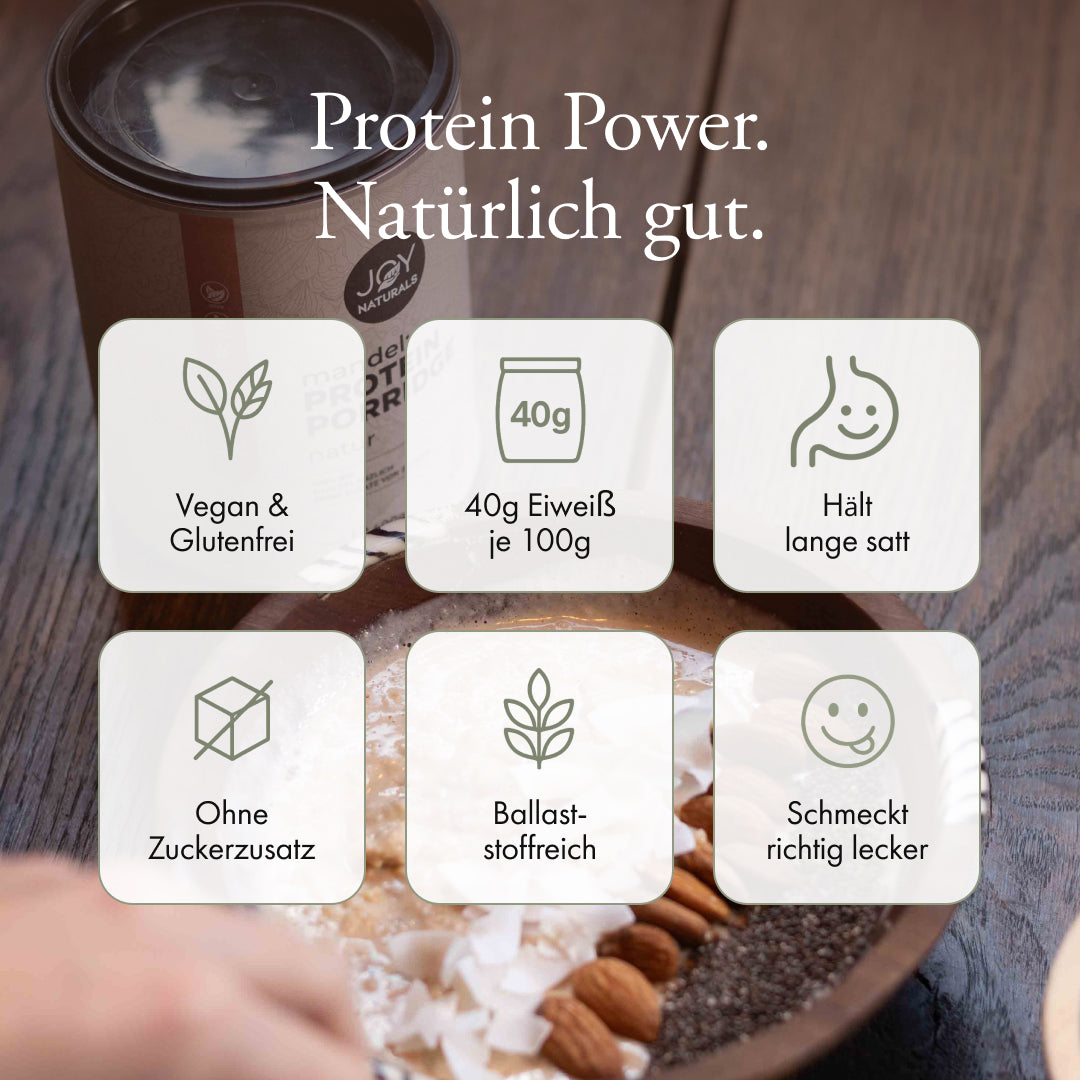
Don't just start the day with coffee and a quick pastry. A breakfast with protein, fiber, and healthy fats can enable a calmer start. A creamy protein porridge with berries, nuts, and seeds is just as suitable as a shake with high-quality vegan protein powder, banana, and oats. Those who prefer a savory breakfast combine eggs or tofu with vegetables and whole-grain bread.
The right amount of protein is individual. It depends on how active you are, what goal you are pursuing, and what your overall nutrition looks like. For many people, it is more helpful to distribute protein over several meals throughout the day, rather than catching up on everything in the evening.
Movement that works even on busy days
An intense workout is wonderful, but not mandatory to support metabolism. Everyday movement is particularly underestimated: the walk after eating, the stairs instead of the elevator, walking to the store, or five minutes of mobilization between two meetings. This regular activity adds up and also helps to break up long periods of sitting.
For a long-term strong foundation, ideally complement this movement with strength training. Two to three sessions per week can be enough, if they fit into your life and you implement them consistently. Exercises with your own body weight, dumbbells, or resistance bands are a good start. Muscle building is not purely a fitness goal - it supports stability, mobility, and an active energy turnover.
The timing can also make a difference, although without dogma. A short walk after a meal feels pleasant for many and can support blood sugar regulation. If you only have time in the morning, that is just as valuable. The best movement is the one you don't give up after ten days.
Fiber feeds your gut microbiome
Your gut is involved in numerous metabolic processes. Fiber from vegetables, legumes, whole grains, fruit, seeds, and nuts serves as food for beneficial gut bacteria. In doing so, metabolic products are created that are associated with the gut barrier and various regulatory processes in the body.
The practical way is not to eat huge amounts of raw food from one day to the next. Increase fiber gradually and drink enough with it. Otherwise, bloating or an unpleasant feeling of fullness can occur. Start, for example, with a tablespoon of ground flaxseed in the porridge, a portion of beans in the salad, or an additional handful of vegetables with lunch.
Fermented foods such as natural yogurt, kefir, sauerkraut, or kimchi can complement the menu if you tolerate them well. In a vegan diet, plant-based yogurt alternatives with active cultures are available. Diversity is often more important than a single supposed superfood.
Drink, but with moderation
Water is involved in transport and excretion processes. Even a slight lack of fluids can amplify fatigue, headaches, and concentration problems. A water bottle at the workplace, a glass of water immediately after waking up, and unsweetened herbal teas make it easier to stick with it throughout the day.
How much you need depends on temperature, sports, nutrition, and body weight. A fixed liter value does not fit everyone. Also orient yourself by your thirst and a light urine color. In case of heavy sweating, mineral-rich drinks or a balanced meal with a little salt can be useful.
Green tea or coffee can be part of a conscious routine. Caffeine can have a stimulating effect in the short term, but replaces neither sleep nor meals. If coffee makes you nervous, irritates the stomach, or worsens your sleep, less is often more.
Sleep and stress are metabolism topics
Those who chronically sleep too little often know the consequences: more appetite for sweets, little energy for movement, and a feeling of never getting properly full. Sleep is the time in which your body regenerates, regulates hormones, and processes training stimuli. An evening ritual does not have to be elaborate: dimming the lights, reducing screen time, drinking a tea, and going to sleep at roughly similar times can already change a lot.
Stress cannot always be avoided. But it needs balance. Deep breaths before eating, ten minutes in the fresh air, or a short moment without a phone may seem unspectacular, but can help to get out of the constant tension mode. Also eating slower and chewing more thoroughly supports a more conscious digestion.
Micronutrients: The quiet players
Vitamins, minerals, and secondary plant substances do not provide calories, but are necessary for many metabolic pathways. Magnesium, for example, contributes to normal energy metabolism, while B vitamins are involved in energy production. A varied, as little processed as possible diet creates the foundation.
In certain life phases or with special forms of nutrition, a targeted supplementation can be useful - for example, with a vegan diet, high sports load, after medically determined deficiencies, or in phases with special needs. However, supplementation is no substitute for regular meals, vegetables, and regeneration. In case of illnesses, medication intake, pregnancy, or breastfeeding, it is best to clarify a dosage medically.
This is why everyday-suitable organic vital substances and functional foods are at the center of JOY NATURALS: clearly formulated, without artificial flavors, sweeteners, or fillers, and as a complement to a diet that brings you joy.
A simple day for more inner balance
You don't have to change all habits at once. Start in the morning with a protein- and fiber-rich breakfast. Plan a colorful meal with a good protein source for lunch, and after that, if possible, go for a ten-minute walk. Keep nuts, fruit, or a shake ready in the afternoon, so that hunger does not lead to reaching for the next sweet.
In the evening, food can be nourishing and uncomplicated: roasted vegetables with lentils, a soup with beans, or a bowl with whole grains, tofu, and a high-quality oil. After that, a quiet wind-down helps more than trying to save the day with intensive training or too much caffeine.
Your metabolism needs no pressure and no miracle cures. It responds to repetition, quality, and a portion of patience. Choose a habit today that feels good - and give it space again tomorrow.