
The liver works around the clock: It processes nutrients, produces important proteins, stores energy, and breaks down alcohol, medications, and metabolic byproducts. Despite this, it often receives little attention in everyday life—until fatigue, a heavy feeling after eating, or unusual blood test results raise questions. A liver-friendly diet in everyday life is not a strict detox cure. It is an enjoyable routine of whole foods, regular meals, and mindful breaks.
What really relieves your liver
The liver does not need a radical cleanse or a short-term juice fast. It has a highly effective detoxification system of its own. What supports it above all is a lifestyle that does not constantly hinder its work: little or no alcohol, a stable body weight, sufficient exercise, and a plant-based diet with as little processing as possible.
This is particularly relevant for non-alcoholic fatty liver disease, which is often associated with belly fat, elevated blood lipids, insulin resistance, or a lack of exercise. Here, it is not the perfect food that counts, but the sum of your habits. Even small, sustainable changes can noticeably shift your metabolism in a more favorable direction.
Important: Yellowing of the skin or eyes, very dark urine, severe upper abdominal pain, persistent itching, or unusual liver values should be medically evaluated. Diet can support you, but it cannot replace a diagnosis or therapy.
The foundation for a liver-friendly diet in everyday life
Liver-friendly cuisine is colorful, high in fiber, and uncomplicated. Vegetables, legumes, whole grains, fruit, nuts, seeds, and high-quality oils provide fiber, micronutrients, and protective plant compounds. This combination helps flatten blood sugar spikes, keep you full longer, and support fat metabolism.
Fiber makes the difference
Fiber also feeds the beneficial gut bacteria. This is important for the liver because the gut and liver communicate closely via the so-called gut-liver axis. When the gut is well nourished, it can positively influence metabolic balance.
In practice, this means: Start your day with oatmeal or a high-protein porridge, and add berries and ground flaxseeds. Choose lentils, beans, or chickpeas more often for lunch, and opt for whole-grain versions of bread, rice, and pasta more frequently. If you are not used to fiber yet, increase the amount gradually and drink plenty of water.
Protein stabilizes your meals
Protein is not only important for muscle building and recovery. It also helps meals be more satiating and keeps blood sugar levels more stable. This is especially true if you want to lose weight without constantly feeling hungry—it is a crucial lever.
Good plant-based sources include tofu, tempeh, legumes, unsweetened soy products, nuts, seeds, and high-quality vegan protein powders. Eggs, plain yogurt, quark, or fish can also be suitable if they are part of your diet. What matters is the quality of the entire meal: A protein shake with lots of sugar does not replace a balanced diet, but it can be a useful addition on the go.
Good fats instead of fear of fat
The liver needs fat to absorb fat-soluble vitamins and regulate many metabolic processes. The problem is not the overall amount of fat, but above all its quality and a persistent energy surplus. In everyday life, rely on olive oil, rapeseed oil, nuts, seeds, avocado, and, for non-vegans, fatty oily fish.
Fried foods, highly processed snacks, and products with many hydrogenated or low-quality fats are often less favorable. You do not have to ban them. If they remain the exception and your foundation is sound, a restaurant visit or a piece of cake is not a step backward.
Realistically assessing sugar, fructose, and alcohol
An apple is not the same as a soft drink. In addition to natural sugar, fruit provides water, fiber, and phytonutrients. For most people, one to two servings of fruit per day is a good choice. More problematic are large quantities of sugary drinks, sweets, and highly sweetened ready-made products. They provide a lot of energy quickly, are not very filling, and can promote fat accumulation in the liver.
One simple first step: Make water, mineral water, unsweetened tea, or coffee your standard drinks. By the way, coffee can be liver-friendly when consumed in moderation. Studies show links between regular coffee consumption and a lower risk of certain liver diseases. This is not a free pass for sugary coffee specialties—but an espresso after breakfast can certainly remain a ritual.
When it comes to alcohol, clarity is useful. Although the liver does break it down, there is no amount that is necessary for health. Anyone who wants to specifically relieve the liver should firmly schedule alcohol-free days or take a complete break for several weeks. Alcohol should be avoided especially in cases of known liver disease, elevated liver values, during pregnancy, or when taking certain medications.
What a liver-friendly day looks like
Everyday life rarely decides itself at the set dining table. It decides itself between a meeting, shopping, and the moment when you are already very hungry. That is why simple building blocks that you enjoy eating and can quickly combine are helpful.
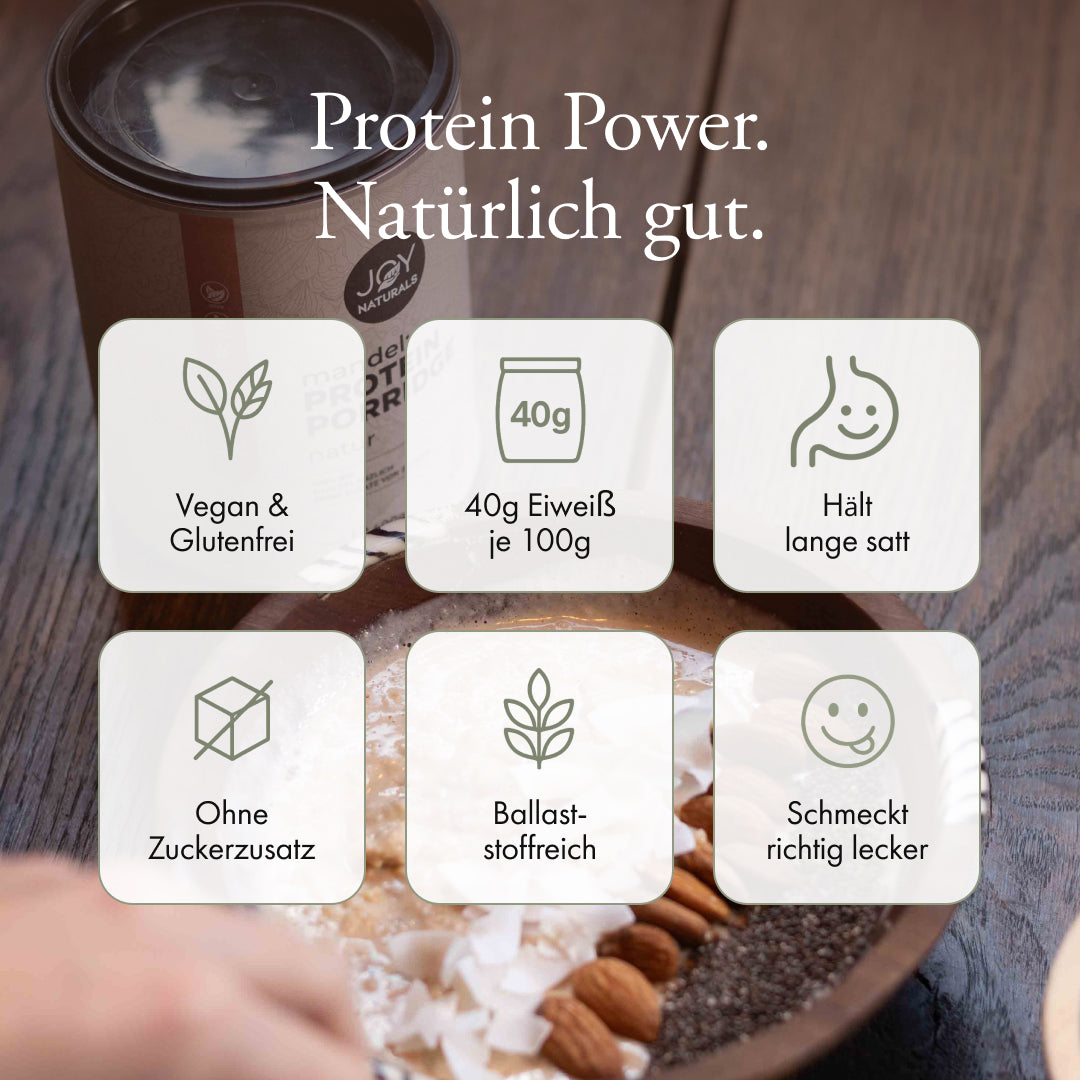
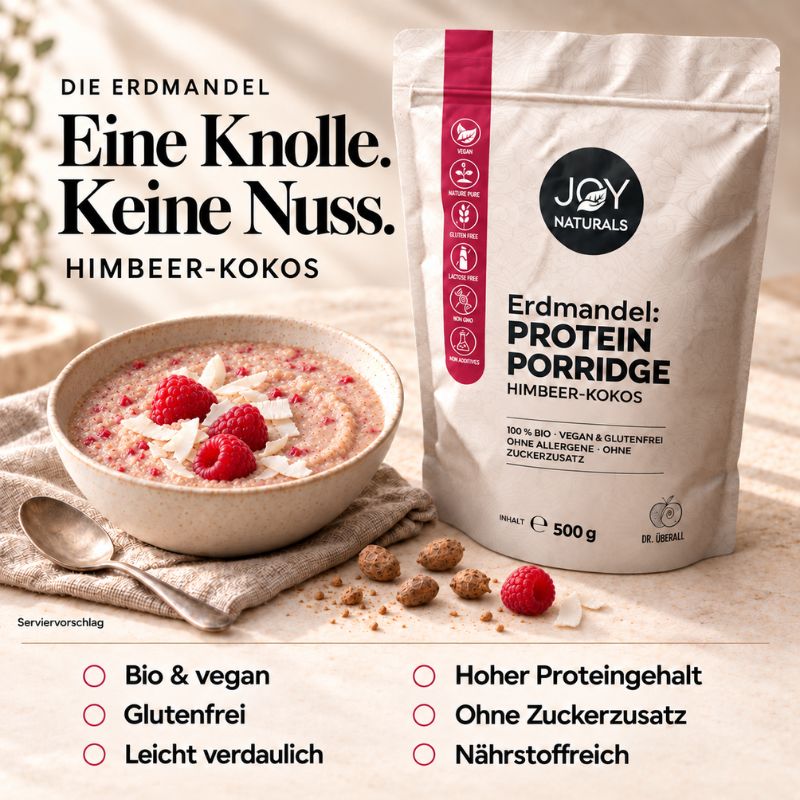
For breakfast, a warm porridge with berries, nuts, and seeds is a good fit. If you need to be quick, add a vegan protein powder to your shake or stir it into the porridge. This way, you start with fiber and protein instead of a sweet pastry on an empty stomach.
For lunch, a bowl with plenty of vegetables, a handful of whole grains, and a protein source such as lentils, tofu, or chicken can work. A dressing made of olive oil, lemon juice, and herbs makes it flavorful without relying on heavy ready-made sauces. In the evening, a vegetable soup with beans, a tray of roasted vegetables with tahini, or an herb omelet with salad is suitable.
For on the go, prepared snacks prevent spontaneous sugar traps: plain yogurt or soy yogurt, a small portion of nuts, vegetable sticks with hummus, or fruit with nut butter are uncomplicated. It is not about optimizing every snack. It is about having an option ready that provides energy and is truly filling.
Supplements: Support, not a shortcut
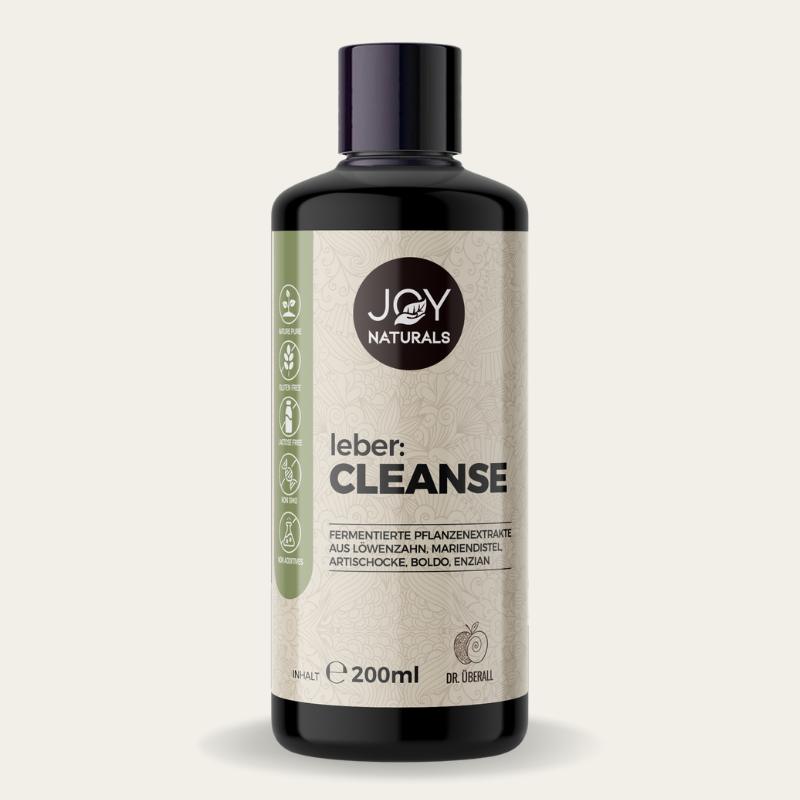
Herbal extracts, bitter substances, or micronutrient complexes are often associated with liver health. In individual cases, they can be a supplement, especially if a diet is one-sided or there is a proven need. However, a capsule can neither compensate for regular alcohol consumption nor a persistently high-sugar diet.
Pay attention to transparent formulations, sensible dosages, and products without unnecessary fillers or artificial additives. Regarding herbal extracts: natural does not automatically mean suitable for everyone. Anyone who takes medication, is pregnant, is breastfeeding, or has a liver or bile duct disease should consult a medical or pharmaceutical professional beforehand. At JOY NATURALS, a well-thought-out routine always takes precedence over the promise of a quick fix.
Three habits that last longer than any cure
First, plan your breakfast and a snack for busy workdays. This anticipates two typical situations in which quick, highly processed options are particularly tempting. Also cook a larger base such as lentils, roasted vegetables, or whole-grain rice once or twice a week. This creates several meals without you having to start from scratch every day.
And do not forget exercise. A walk after eating, cycling to work, or strength training supports the body's handling of glucose and fat. Regular exercise in particular can promote liver health—even if the weight on the scale initially barely drops.
Your liver does not need perfection. Give it reliable meals, whole foods, exercise, and mindful rest. From these small decisions, a routine emerges that does not taste like deprivation, but like more energy, enjoyment, and inner balance.