
The post-workout shake, the quick breakfast before your first meeting, or the light afternoon snack: organic protein powder can turn these moments into a nourishing routine. Provided, of course, that the recipe is right for you. An organic label is a valuable indication of where the ingredients come from, but it doesn’t tell you everything about protein content, digestibility, taste, or additives.
A good protein powder shouldn’t overwhelm you with artificial sweetness or confusing ingredient lists. It should make things easier: help you reach your daily protein target, support muscle growth and maintenance, make a meal more filling, or provide a reliable base for your breakfast. Natural. Concentrated. Practical for everyday life.
What really sets organic protein powder apart
Organic means that the agricultural ingredients come from certified organic farming and were produced according to current organic standards. This is particularly relevant for plant-based ingredients, as you are using legumes, seeds, or grains in concentrated form. That’s why conscious shoppers look not only for the organic seal but also for a transparent ingredient list and careful processing.
However, organic quality alone doesn’t automatically make a powder the best choice. A product can be organic and still contain a lot of sugar, rely on intense flavours, or provide a relatively low protein content. Conversely, a high number on the label alone doesn’t determine whether the powder is right for you. Digestibility, amino acid profile, taste, and your personal goals are just as important.
You can often tell a high-quality organic protein powder by its straightforward ingredients. Plant-based protein from peas, rice, hemp, or pumpkin seeds doesn’t need a long list of fillers, artificial sweeteners, or unnecessary colourings. Cocoa, ground vanilla, or cinnamon can add flavour without masking the natural quality of the recipe.
Protein requirements: why you need powder in the first place
Proteins are essential building blocks of the body. They help build and maintain muscle mass and support normal bone health. A conscious approach to protein intake can be particularly helpful if you exercise regularly, eat a predominantly plant-based diet, have little time to cook during the workday, or get hungry again quickly after meals.
This doesn’t mean that every meal has to become a shake. A balanced diet with legumes, tofu, tempeh, nuts, seeds, whole grains, and animal-based protein sources when needed remains the foundation. Protein powder is a supplement, not a shortcut that lets you skip a varied diet.
How much protein you need depends on several factors, including body weight, activity level, age, and diet. Active people usually have different requirements than those who spend most of their day sitting down. How you distribute your protein throughout the day can also make a difference: instead of planning one very large serving in the evening, it is often more pleasant to include protein in breakfast, lunch, and dinner.
Comparing plant-based protein sources
Vegan protein powder is far more than a last resort today. Different plants offer different nutrient profiles, flavours, and textures. Combining them can be particularly effective because they complement each other’s amino acid profiles.
Pea protein: mild and filling
Pea protein provides plenty of protein and has a relatively neutral to slightly earthy taste. It works well in smoothies, porridge, or pancakes and is often found to be pleasantly filling. Its consistency can be slightly creamier and richer—ideal if you want to use a shake as a light meal.
Rice protein: light and refined for smooth shakes
Rice protein usually has a subtle taste and pairs well with fruity ingredients. On its own, it can feel slightly gritty, which is why it is often used in combination with pea protein. This blend may be a good choice if you are looking for a well-balanced plant-based protein base.
Hemp and pumpkin seed protein: nutty and natural
Hemp and pumpkin seed proteins have a distinctive, nutty taste. In addition to protein, they also contain naturally occurring compounds from the respective seeds. This makes them exciting ingredients for savoury options, such as soups or spreads, as well as chocolate shakes. If you prefer very light, sweet dessert shakes, you may prefer a milder blend.
Read the ingredient list instead of collecting marketing promises
Turn the package around. The ingredient list often reveals more than the front. Four questions can help you choose:
- What is the protein content per 100 grams and per serving?
- Which protein sources are included, and do they suit your diet?
- Are there added sugars, artificial sweeteners, flavourings, or fillers?
- Is the origin and processing clearly stated?
If you have a sensitive digestive system, it is worth paying particularly close attention. Some people react to certain sweeteners, sugar alcohols, or very high amounts of fibre with bloating or stomach rumbling. There is no single best solution. Start with a smaller serving, drink plenty of fluids, and see how your body reacts. If you have known allergies or intolerances, the allergen labelling is essential.
How to make the powder a good habit
The biggest advantage of protein powder is not that it is spectacular. It is that it works reliably when your day is packed. A shake with water or a plant-based drink is the quickest option. It becomes more filling with a banana, berries, oats, nut butter, or ground flaxseed. This turns a drink into a more balanced snack with carbohydrates, healthy fats, and fibre.
Protein can also be easily incorporated into breakfast. Stir it into porridge, plant-based yoghurt, or overnight oats. For hot dishes, it is best to add the powder towards the end so that it does not clump and the consistency remains pleasant. In pancakes, waffles, or energy balls, it provides extra protein—just make sure the total amount of liquid in the recipe is still sufficient.
A protein shake can be practical after a workout, especially if your next full meal is still some time away. However, what matters is your nutrition throughout the day, not a precise window of a few minutes. If you are going to eat a balanced meal with a protein source anyway, you do not need a shake just because you feel you should.
Quality that does not hide behind taste
Of course, a protein powder will only taste good regularly if it suits your habits. At the same time, taste should not come at the cost of unnecessarily intense sweetness. A recipe with natural ingredients gives you the freedom to vary it yourself: with cocoa for more depth, cinnamon for warmth, berries for freshness, or a pinch of salt for a rounder chocolate flavour.
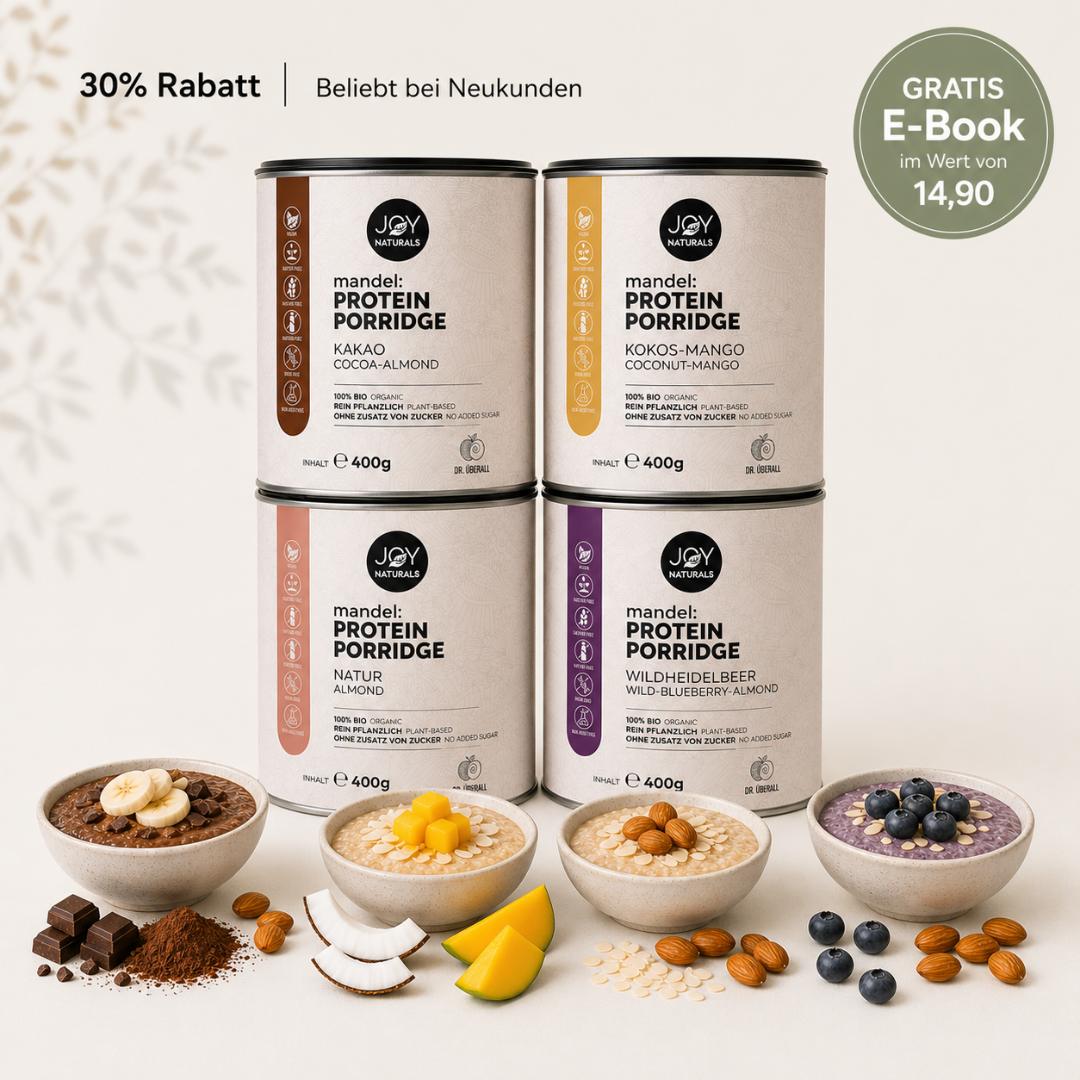
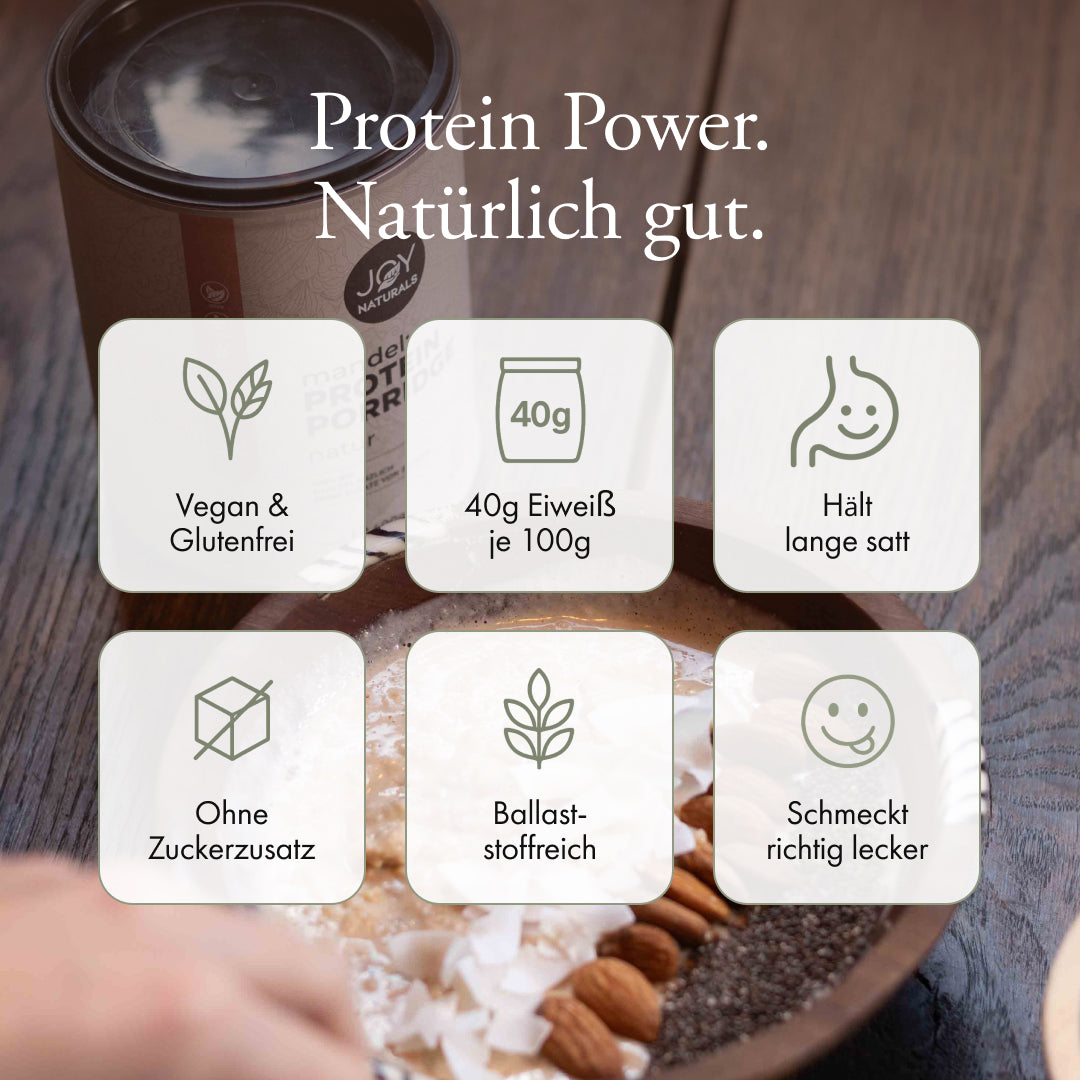
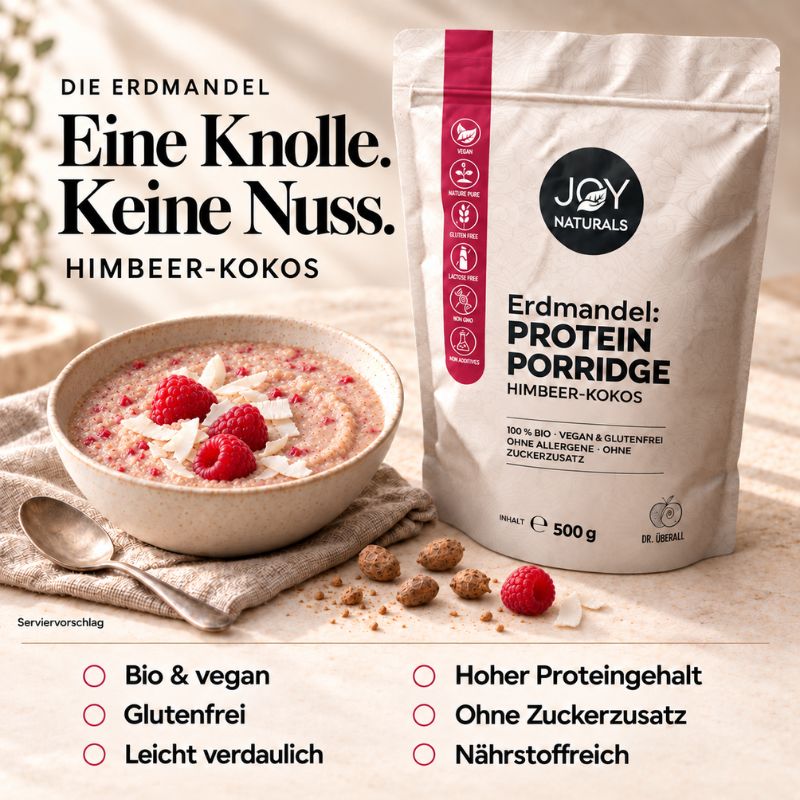
Also look for quality standards that go beyond the label. Certified production, carefully selected raw materials, and laboratory-tested recipes build trust, especially with products you use every day. JOY NATURALS combines this focus on quality with vegan recipes free from artificial flavours, sweeteners, and fillers—for routines that simply feel good.
Your ideal organic protein powder does not have to sound perfect; it just has to suit your life: your taste, your digestion, your activity level, and the meals you genuinely enjoy. If you use it as a delicious addition rather than a strict rule, the shake will become a routine that reliably supports you day after day.