
Can protein powder help you lose weight? Yes, if it serves a useful purpose in your daily life: It can keep you full longer after breakfast, upgrade a quick snack, or support recovery after a workout. But it’s not a weight-loss trick in a shaker. What matters is how much energy you consume overall, how well your meals nourish you, and whether your routine works for you in the long term.
Anyone who wants to lose weight knows the dilemma: Eating less shouldn’t mean constantly feeling hungry, tired, or tempted by the next snack. This is exactly where adequate protein can make a difference. Combined with vegetables, fiber, healthy fats, and regular exercise, protein becomes a reliable building block for enjoyable weight management.
How protein supports weight loss
Compared to carbohydrates and fats, protein has a high satiety effect. A high-protein meal can help you feel satisfied longer and leave less room for spontaneous snacking. This is especially useful on workdays when there’s little time between meetings, family commitments, and workouts to cook elaborate meals.
In addition, the body requires relatively more energy to process protein than fat or carbohydrates. This effect is not a free pass for large portions, but it can be supportive in the overall picture. What’s much more important is that protein helps preserve lean muscle mass while in a calorie deficit—especially if you incorporate strength training or other regular exercise into your daily routine.
Muscle doesn’t suddenly burn enormous amounts of calories. Nevertheless, it is valuable for strength, stability, performance, and an active metabolism. Losing weight, therefore, isn’t just about losing weight, but also about taking the best possible care of your body. A slow, realistic approach is often more sustainable than a radical diet.
Can protein powder help you lose weight—and when does it not?
Protein powder helps when it fills gaps rather than adding extra calories. If you drink a shake in addition to your usual breakfast, lunch, snacks, and dinner, it won’t automatically help you lose weight. On the other hand, if the shake replaces a hastily bought, unsatisfying snack or complements a very high-carbohydrate breakfast, it can improve your daily routine.
A practical example: Coffee and a sweet pastry in the morning often provide little protein and leave many people feeling hungry again quickly. Porridge with protein powder, berries, oats, and a spoonful of nut butter, on the other hand, combines protein, fiber, and flavor. The right amount depends on your energy needs. Those who are very active usually need a larger portion than someone with a sedentary lifestyle.
A protein shake can also be practical after exercise if a wholesome meal isn’t readily available. It’s an easy solution—not a requirement. A high-protein meal with legumes, tofu, tempeh, yogurt, eggs, or fish serves the same purpose, depending on your diet.
A shake is no substitute for a balanced diet
A powder provides concentrated protein, but not necessarily the variety of a meal. Vegetables, fruit, whole grains, legumes, nuts, and seeds provide fiber, micronutrients, and phytonutrients that are crucial for digestion, energy, and well-being. Therefore, use protein powder as a supplement to a natural, varied diet.
Caution is also advised with products that taste like sweets and come with long ingredient lists containing artificial flavors, sweeteners, or unnecessary fillers. They may fit into a diet, but they don’t necessarily meet the desire for a clear, natural routine. Especially if you have a sensitive digestive system, it pays to check ingredients carefully and try new products gradually.
How much protein is reasonable?
Personal requirements vary. Body weight, age, training volume, diet, and goals all play a role. For healthy adults, a baseline of about 0.8 grams of protein per kilogram of body weight is often recommended. Those who exercise regularly, want to lose weight, or want to maintain muscle mass in their later years often benefit from a higher intake. A practical daily range is often around 1.2 to 1.6 grams per kilogram of body weight.
This is not a rigid plan. For someone weighing 70 kilograms, this range would be about 84 to 112 grams of protein per day. Instead of covering everything with a shake, it’s best to spread the amount throughout the day: for example, with a high-protein breakfast, a balanced main meal, a satisfying snack, and a dinner with a good source of protein.
If you have existing kidney or liver conditions, are pregnant, or are following a medically prescribed diet, you should consult a doctor or a nutrition therapist to determine the right protein intake. More is not automatically better.
The right protein source for your routine
Vegan protein powders are often based on pea, rice, hemp, or pumpkin seed protein. Blends of several plant-based sources can taste pleasant and offer a versatile amino acid profile. Whey protein is also frequently used and naturally provides many essential amino acids, but it is not vegan and, depending on individual tolerance, may not be the best choice for everyone.
For weight loss, it doesn’t matter whether the powder is plant-based or animal-based. What matters more are the quality, tolerance, actual protein content, and whether you enjoy using it regularly. A product that tastes good and easily fits into your daily life is more likely to become part of a stable habit.
Look for a clear formulation and check how much sugar is included per serving. Naturally sweetening ingredients like fruit can taste good, but they also change the calorie count. A more neutral powder gives you more freedom: You can stir it into porridge, smoothies, pancakes, or yogurt alternatives and control the sweetness yourself with berries, cinnamon, or cocoa.
Three routines that really work in everyday life
A shake is most helpful when it improves a specific moment. In the morning, a serving of protein powder in warm porridge can make breakfast more satisfying. For when you’re on the go, you can prepare a shake with unsweetened plant-based milk, berries, and some oats. After a workout, a simple combination of protein powder and water or plant-based milk is often enough, followed by a wholesome meal as soon as time allows.
If you prefer to eat rather than drink, stir the powder into soy yogurt or a quark- or plant-based yogurt snack. Add fruit and a few nuts or seeds. This turns a small meal into a moment of energy, satiety, and enjoyment.
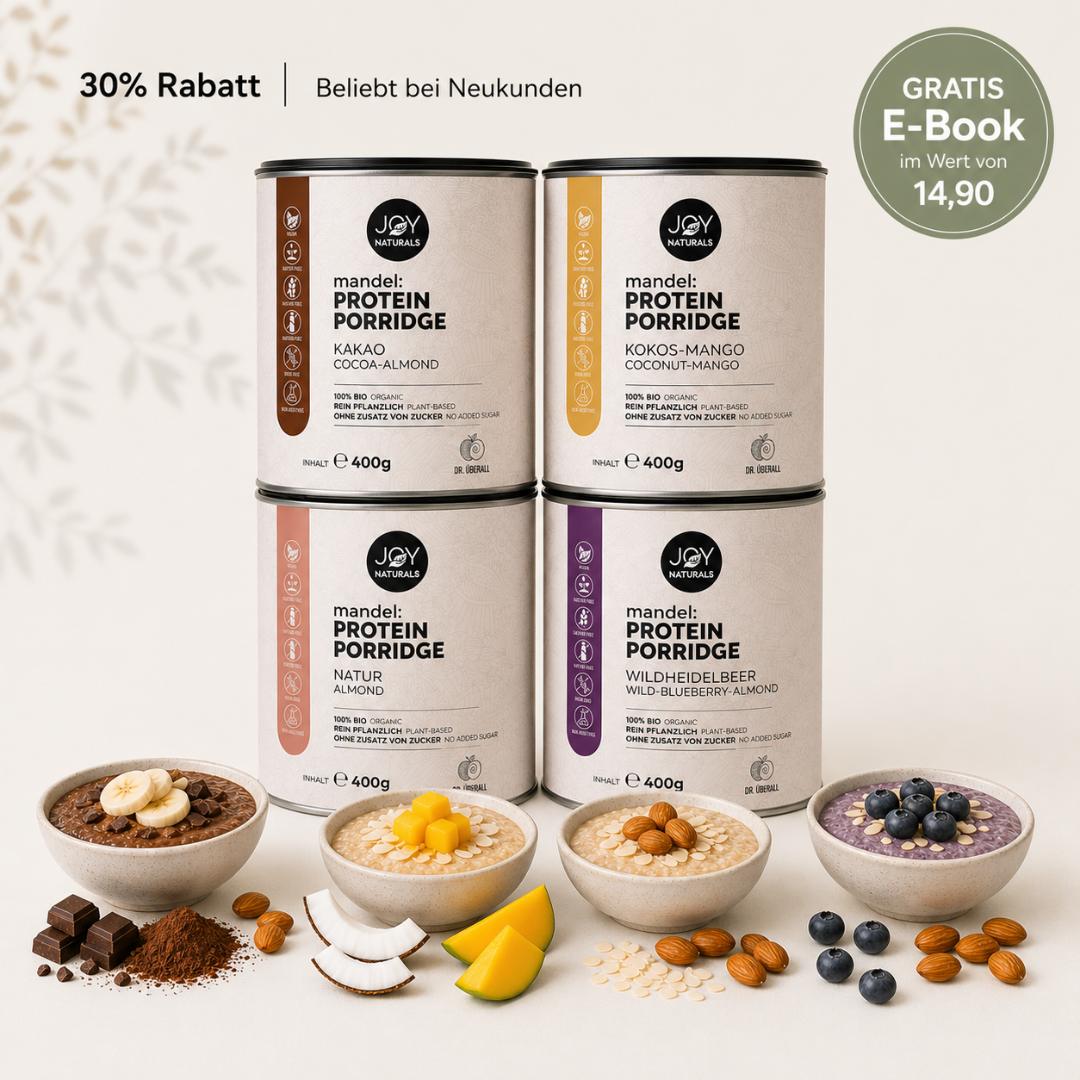
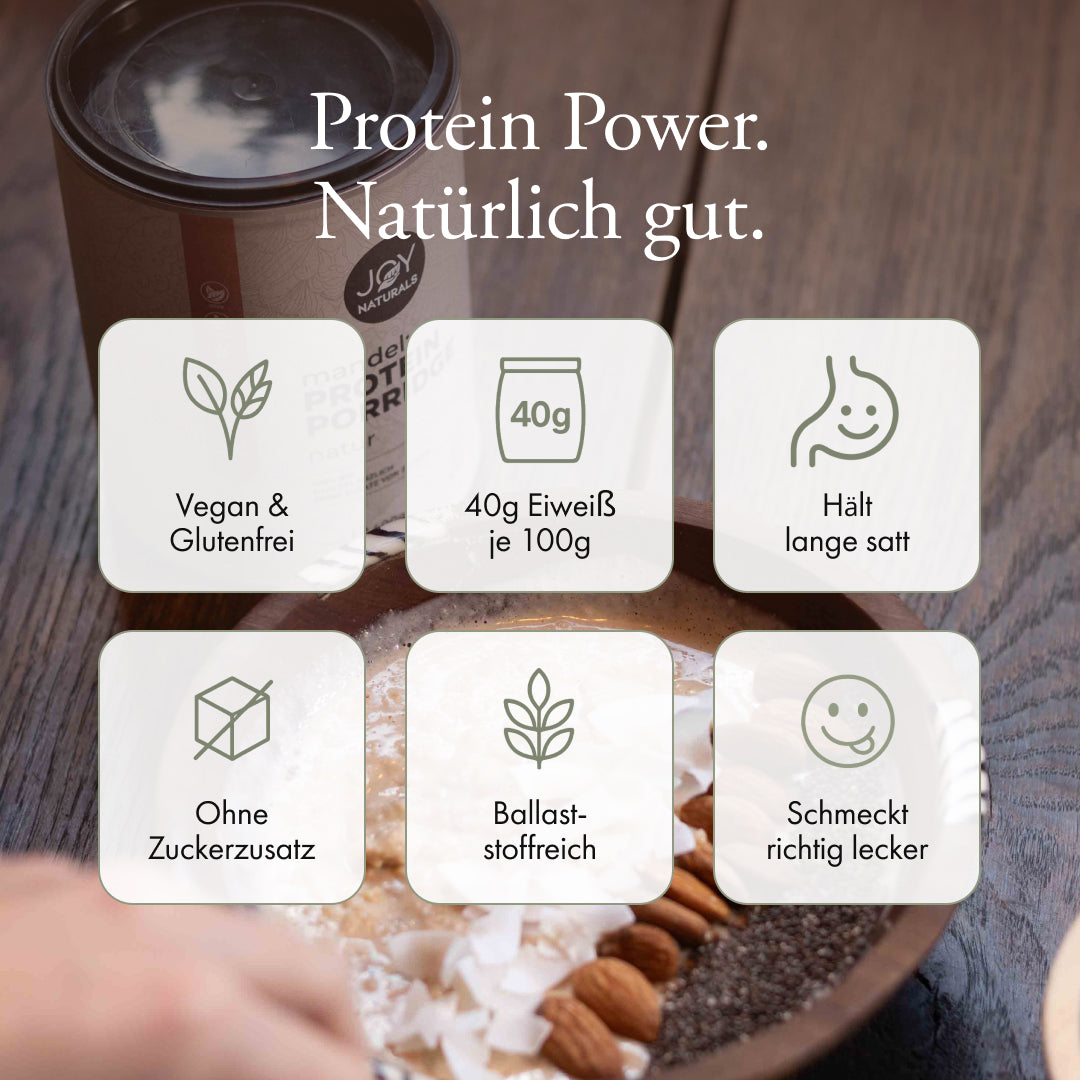
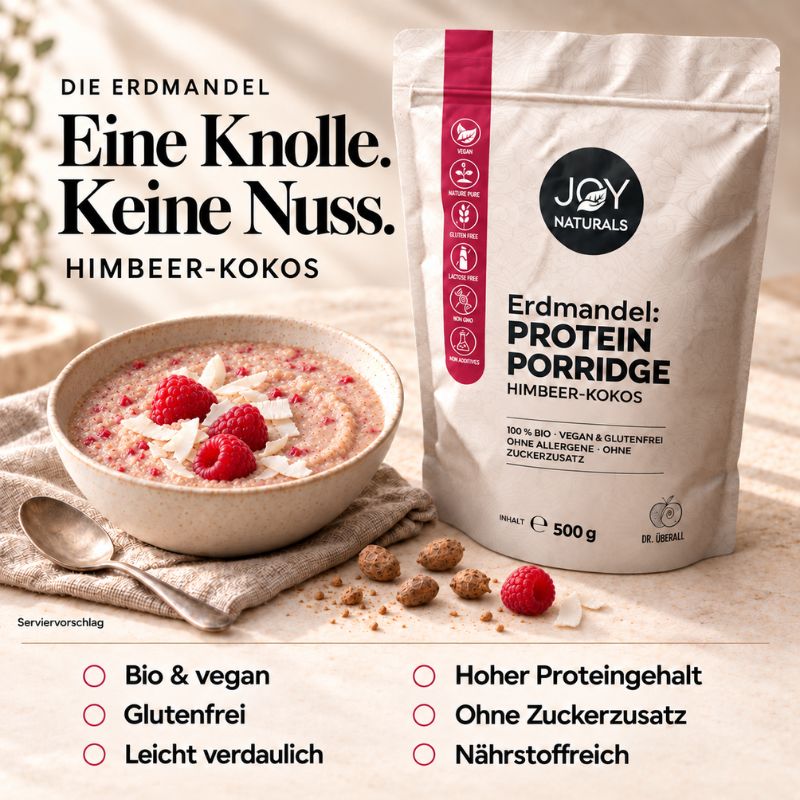
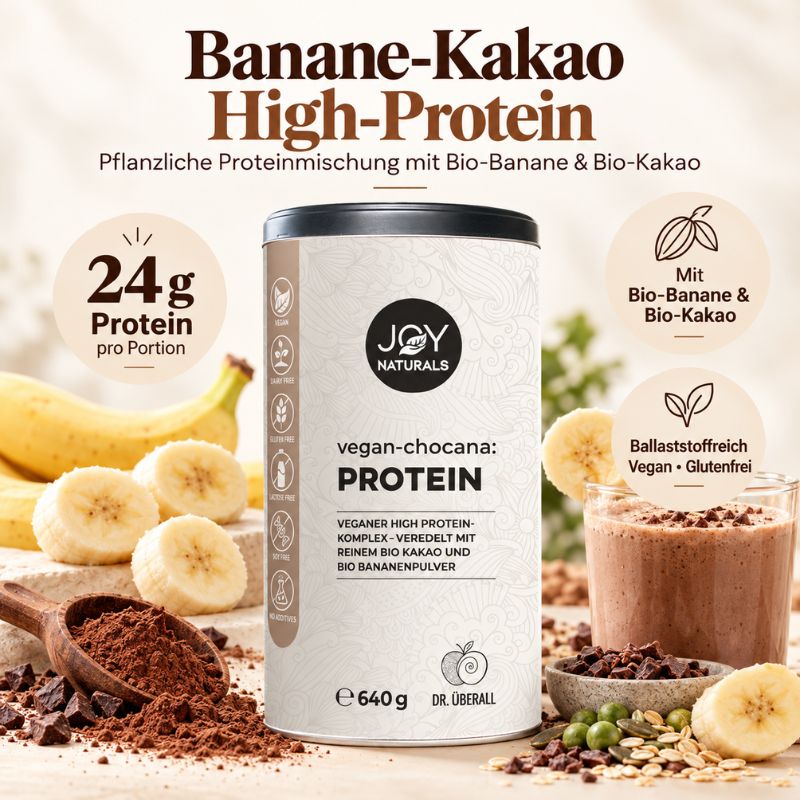
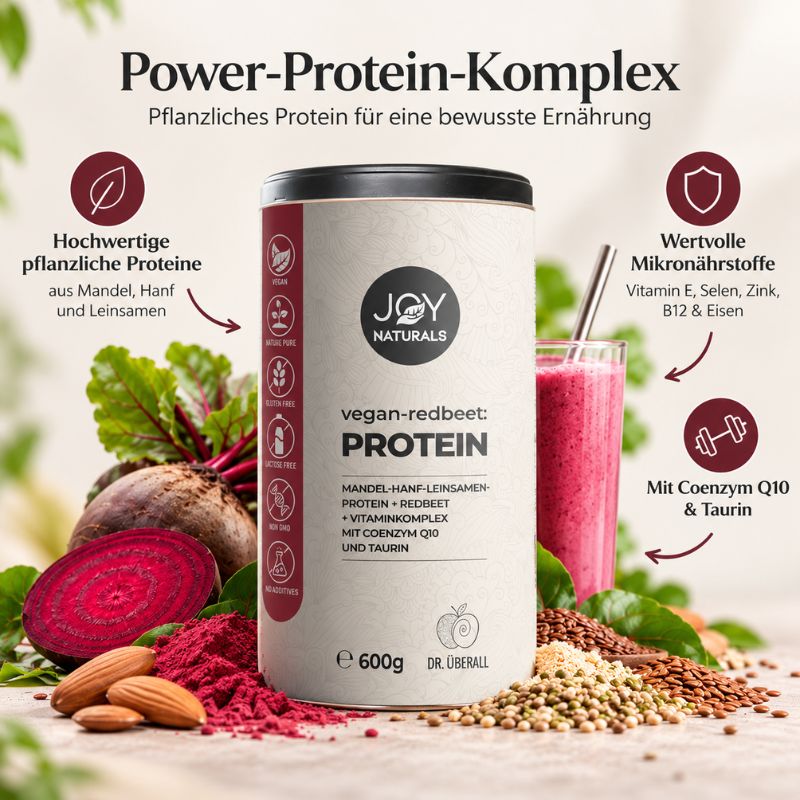
JOY NATURALS uses organic quality, carefully selected ingredients, and formulations without artificial flavors, sweeteners, or fillers in its vegan protein solutions. This is especially suitable if you don’t want to turn your protein routine into a complicated diet, but are looking for a clear, natural addition to your daily life.
Losing weight without constant deprivation
Protein powder can support you, but it doesn’t make decisions for you. A calorie deficit is created not through perfection, but through many small, repeatable decisions: getting enough sleep, eating regularly, planning exercise, savoring food slowly, and choosing foods that truly make you feel full.
Therefore, don’t just watch the number on the scale. How stable is your energy throughout the day? How well do you recover from your workout? Do you have fewer cravings? Do you feel comfortably full after meals? These signals often show sooner than any app whether your routine works for you.
Don’t make protein powder a must, but a tool. If it helps you eat nutrient-rich meals, support your muscles, and work toward your goal with greater ease, it has its place. Your body doesn’t benefit from strict rules, but from routines that feel good and can be maintained.