
Your calendar is full, you don't want to skimp on training, and yet you still want a clear head in the evenings. That's why adaptogens in everyday life in 2026 are more than just a wellness trend for many people: they raise the question of how plant compounds can be consciously integrated into a healthy routine—without expecting miracles or overtaxing your body.
Adaptogens are no substitute for sleep, regular meals, or medical consultation. However, when properly chosen and dosed, they can be a small, concentrated element of your self-care. The key is not to combine as many products as possible. The key is a routine that suits your everyday life, your needs, and your tolerance.
What adaptogens actually are
Certain plants, mushrooms, and roots are referred to as adaptogens and have traditionally been used in various systems of medicine. The term describes substances that are intended to help the body better cope with physical and mental stress. Ashwagandha, eleuthero, ginseng, reishi, cordyceps, and medicinal mushrooms such as Lion's Mane are frequently mentioned.
The scientific picture is nuanced. There are interesting studies on individual plant extracts regarding stress perception, fatigue, or performance. However, the evidence varies significantly depending on the plant, extract, dosage, and group of people studied. Traditional use is valuable knowledge, but not automatic proof of effectiveness.
This is precisely where a sensible approach lies: adaptogens can accompany you consciously during demanding phases, such as periods of high workload, seasonal changes, or intense training weeks. They are not a quick fix for exhaustion, chronic stress, or sleep problems. If symptoms persist or worsen, the cause should be medically investigated.
Adaptogens in everyday life in 2026: Less choice, more clarity
The market is vast. Powders, drops, capsules, coffee blends, and colorful gummies often promise energy, calm, focus, and balance all at once. But your body doesn't need an overloaded routine. It's better to start with a clear intention: Do you want to establish a mindful morning routine, support your recovery after demanding days, or stay more centered during hectic phases?
This question also helps you choose. An extract in the morning will fit into your everyday life differently than an evening ritual. If you already drink coffee in the morning and exercise early, you might choose an uncomplicated addition to breakfast or a shake. If you regularly feel like you're just going through the motions in the afternoon, you should first check whether your meals, fluid intake, sleep rhythm, and breaks are sufficient. Only then does a plant compound complex really make sense as a supplement.
A good practical test is simple: Use a new product on its own at first, for a manageable period of time. Note down how you feel, whether you tolerate it well, and whether it fits easily into your habits. If you start five preparations at the same time, you won't know in the end what is doing you good—or what caused any possible side effects.
Mornings: Rituals that actually happen
An adaptogen won't do you much good if it stays in a jar in the kitchen cupboard. Therefore, link it to an existing habit. This could be your porridge, a protein shake after training, or a warm drink before the first meeting.
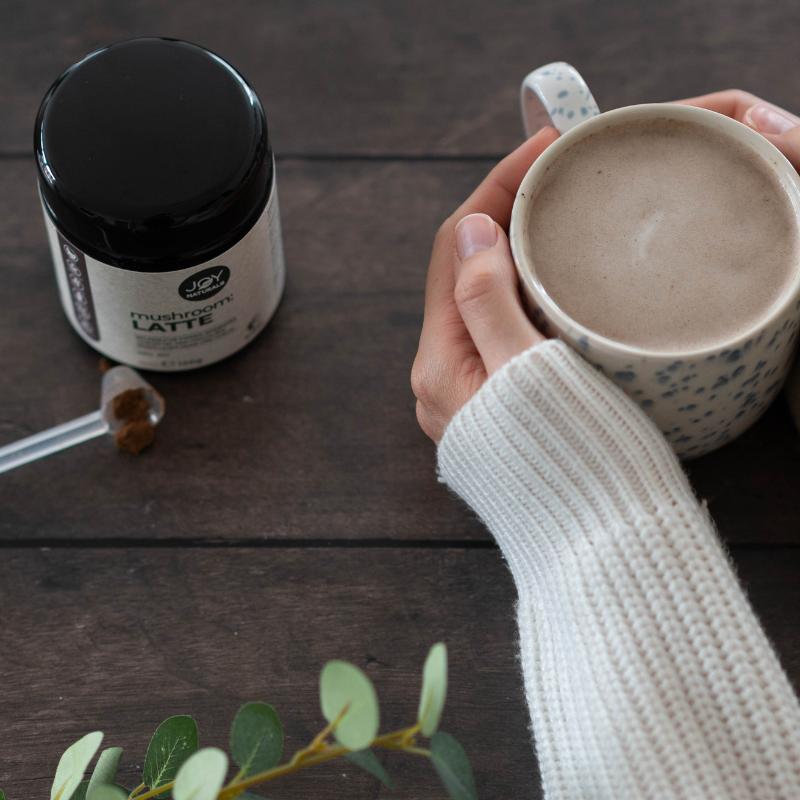
With powders, taste is an honest quality factor. It must suit your meal so that the routine remains enjoyable in the long term. Many people like earthy, slightly bitter notes in cocoa, oat drink, or smoothies. Others prefer capsules or drops because the dosage is clearer and the application is easier on the go. Both can make sense—the key is that the composition and daily amount are clearly stated.
For a balanced breakfast, the basics remain essential: protein for satiety and muscle maintenance, fiber for digestion, high-quality fats, and sufficient fluids. Adaptogens complement this foundation; they do not replace it. A protein-rich porridge with berries, nuts, and a suitable plant ingredient is usually more practical for everyday life than a highly dosed drink on an empty stomach.
Evenings: Not every adaptogen is right for downtime
The term adaptogen sounds harmonious, but plant compounds do not affect everyone the same way. Some people find certain extracts stimulating and therefore prefer to take them earlier in the day. Others opt for a mindful evening ritual with tea, calming music, and a selected supplement.
If your goal is better sleep, don't start with a supplement. First, look at light, screen time, alcohol, late heavy meals, and the time of day you drink your coffee. An evening routine becomes particularly valuable when it doesn't further stimulate your nervous system: ten minutes without your phone, a warm drink, and a consistent bedtime are often more powerful levers.
You can tell quality by more than a trendy term
Especially with concentrated plant extracts, origin matters. Organic quality is a good starting point, but it still doesn't tell you everything about extraction methods, raw material identity, or the actual amount of relevant plant compounds. Look for traceable information about the plant used, the plant part, and the dosage per daily serving.
A high-quality product doesn't need an unnecessarily long list of ingredients. Artificial flavors, strong sweeteners, and fillers do not make a product better. Formulations that allow you to immediately understand what is included and why are practical. Laboratory-tested quality, transparent batch information, and manufacturing under clear standards build additional trust.
The delivery form should also be communicated honestly. A powder can be culinarily versatile, drops can be dosed flexibly, and capsules are practical on the go. No form is fundamentally superior. With blends, a closer look is worthwhile: Are the individual ingredients properly dosed, or does the formulation only sound impressive because so many names are on the label?
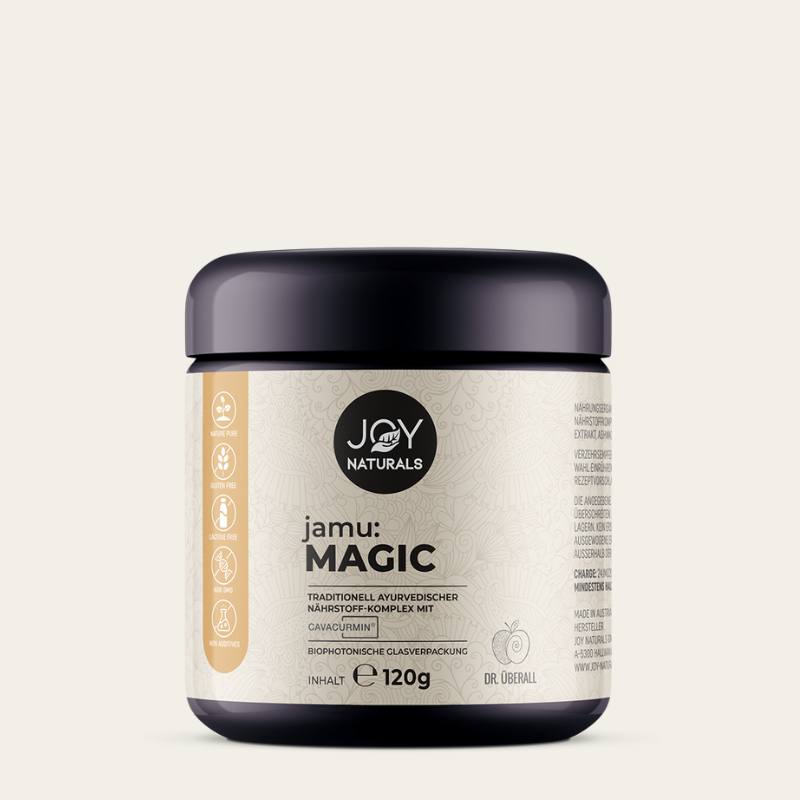
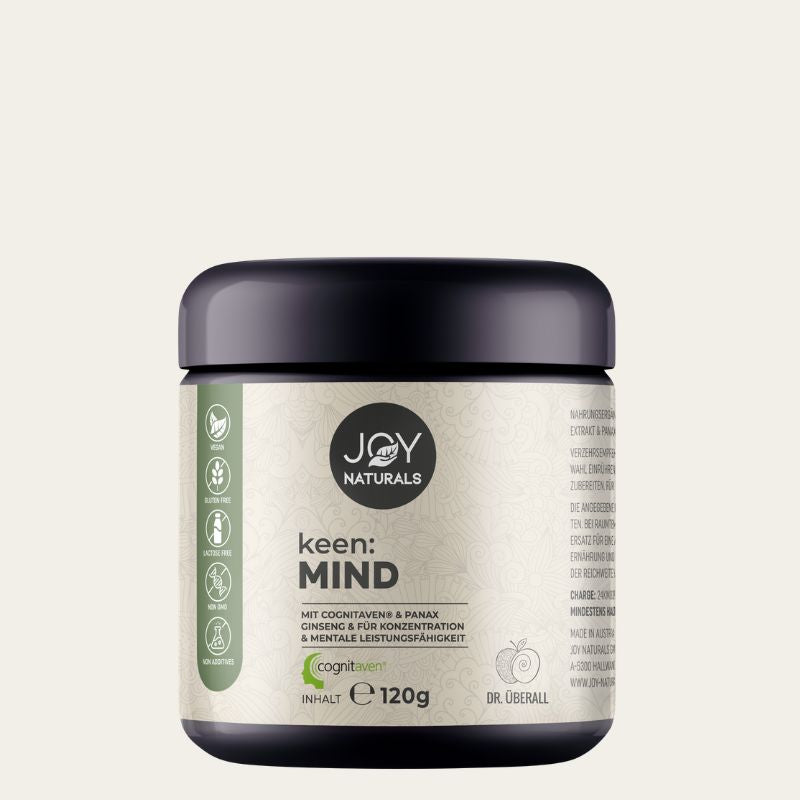
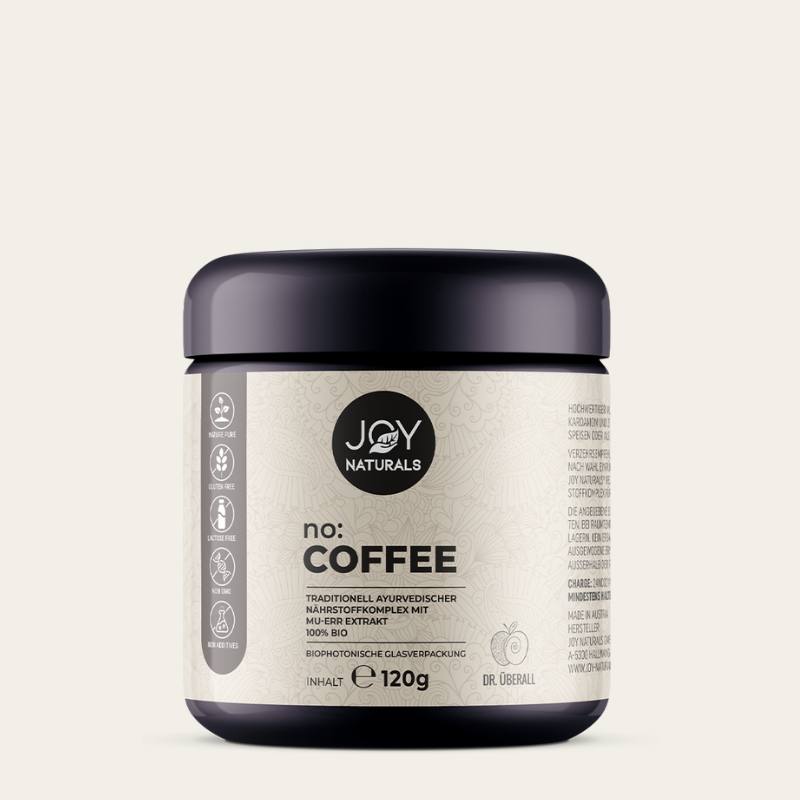
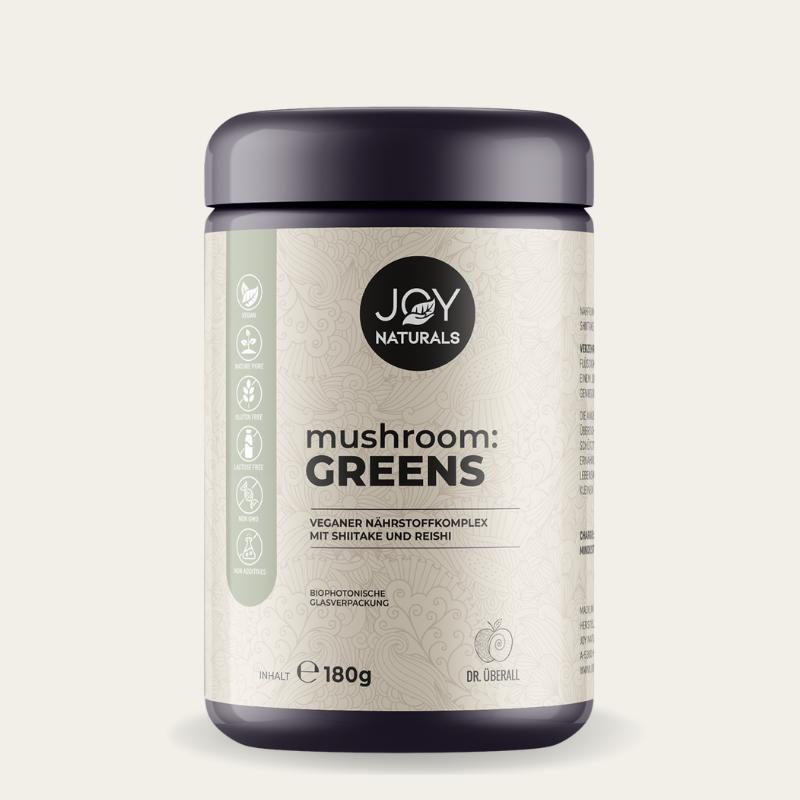
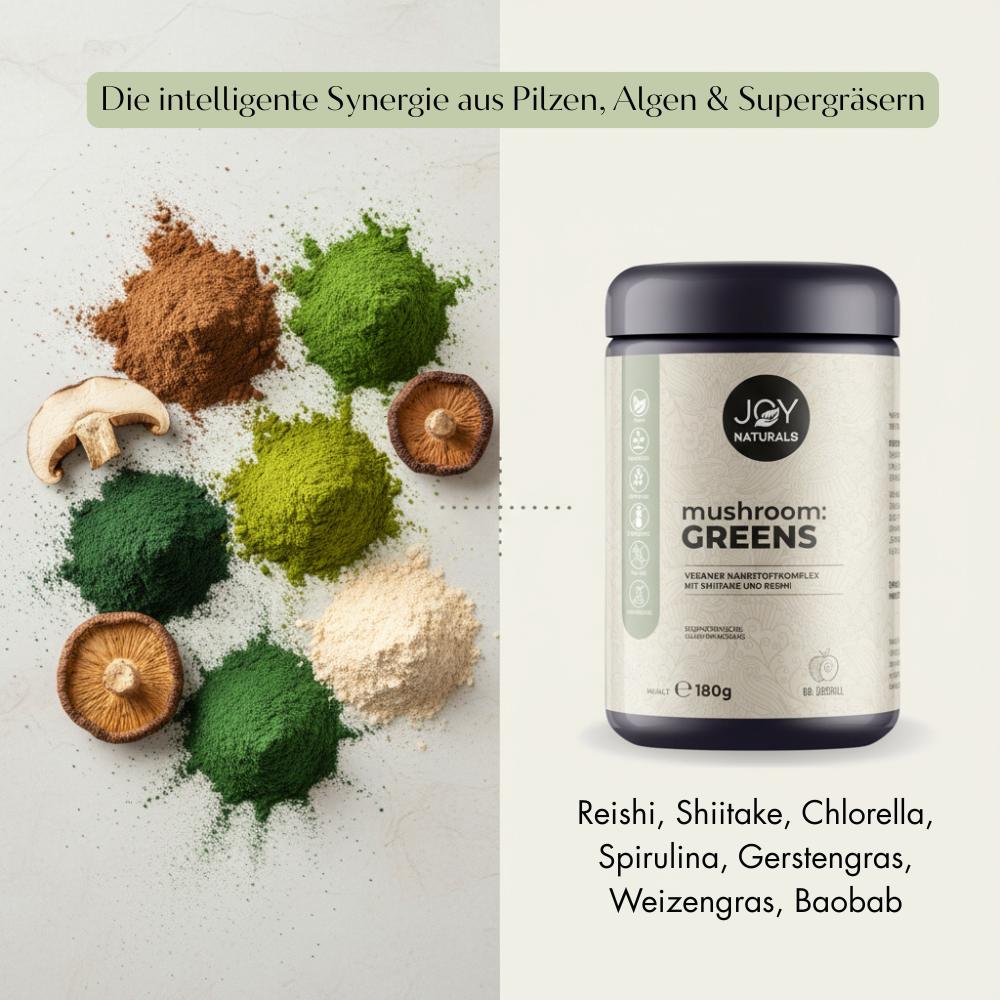
At JOY NATURALS, this clarity is at the heart of everything: natural formulations are intended to support an enjoyable ritual, not to cloud it with empty promises or unnecessary additives.
For whom caution is particularly important
Natural does not automatically mean suitable for everyone. Plant extracts can interact with medications or affect existing conditions. Discuss the use with a doctor or pharmacist beforehand if you regularly take medication, are pregnant, are breastfeeding, or have a chronic illness. This is especially true with thyroid conditions, autoimmune diseases, blood pressure issues, or medications for blood clotting or blood sugar.
Even when you are in good health, more is not better. Stick to the recommended daily amount and monitor reactions such as restlessness, gastrointestinal discomfort, headaches, or changes in sleep. If you notice any, pause the product and seek professional advice. A plant-based routine should make your well-being easier to manage, not become another project.
The routine that suits you
Instead of chasing the next superfood every month, you can strengthen your foundation step by step: sufficient protein and plant diversity on your plate, exercise, daylight, genuine rest, and a reliable sleep rhythm. Supplements find their place exactly where they practically support these habits.
Choose one focus for four weeks, such as a calmer morning ritual or more structure during demanding work phases. Decide on a suitable, transparent formulation and stick to a routine that is easy to repeat. This way, an interesting plant compound becomes something more than another to-do—it becomes a moment that belongs to you in everyday life.
Your body doesn't need perfection. It benefits from small decisions that you make kindly and regularly for yourself.