
A shake is meant to provide energy, support muscle building, or complement a quick breakfast—not leave you feeling full, bloated, or with stomach cramps. A protein powder tolerance test helps you find out which formula really suits you. The protein source is not the only deciding factor. Sweeteners, fiber, portion size, and the timing of consumption can also determine how your stomach feels afterward.
Tolerance is individual. What your training partner can drink without any problems may not be the right choice for you. Instead of switching aimlessly from one product to another, a calm, structured approach is worth it. This way, you will find a routine that strengthens your body and fits easily into your everyday life.
What a protein powder tolerance test can do
A self-test can give you clues as to whether you react sensitively to a particular protein powder or individual ingredients in it. However, it does not replace a medical diagnosis. Severe discomfort, recurring digestive problems, skin reactions, shortness of breath, or circulatory problems should be checked by a doctor. If you have a known milk, soy, or nut allergy, you should not test the corresponding protein on your own.
For everyday life, it is mainly a simple question: Do you feel pleasantly full and capable after the shake—or heavy, bloated, and unwell? Pay attention not only to the first 30 minutes. Some reactions only show up hours later, such as bloating, fatigue, or changes in bowel movements.
It is also important to distinguish between intolerance and overload. A large shake drunk hastily right after a very intense workout and mixed with milk, fruit, nut butter, and oats is not a fair test of the powder alone. Your digestive system then processes many components at the same time.
The most common reasons for discomfort
Whey protein, also known as whey, is derived from milk and provides a favorable amino acid profile for muscle building. However, some people react to the lactose contained in it. Whey concentrate, in particular, can still contain significant amounts of lactose. Whey isolate is usually filtered more thoroughly and is therefore often lower in lactose, but is not automatically suitable for everyone.
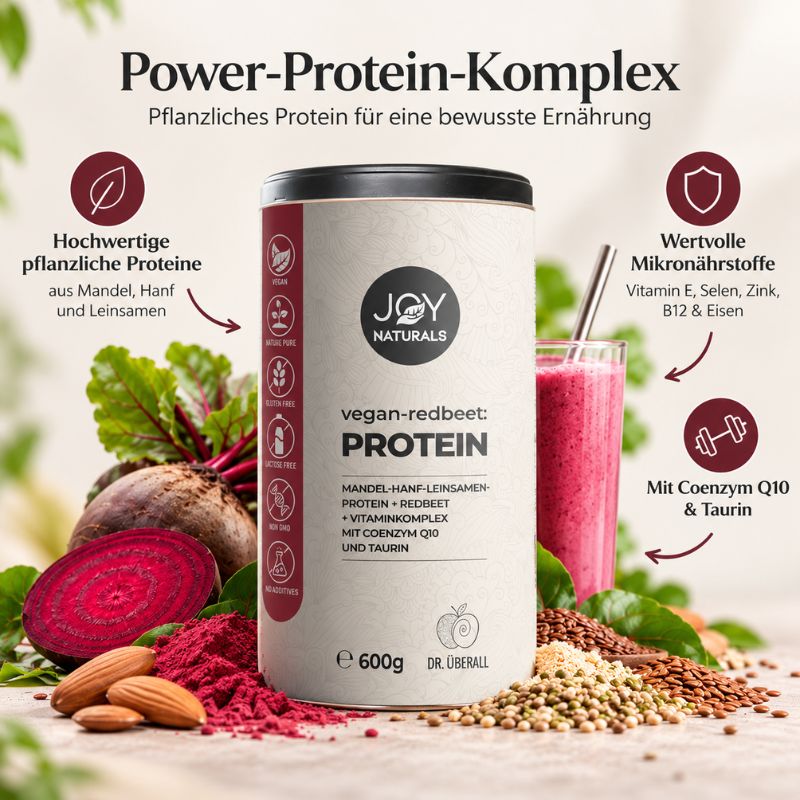
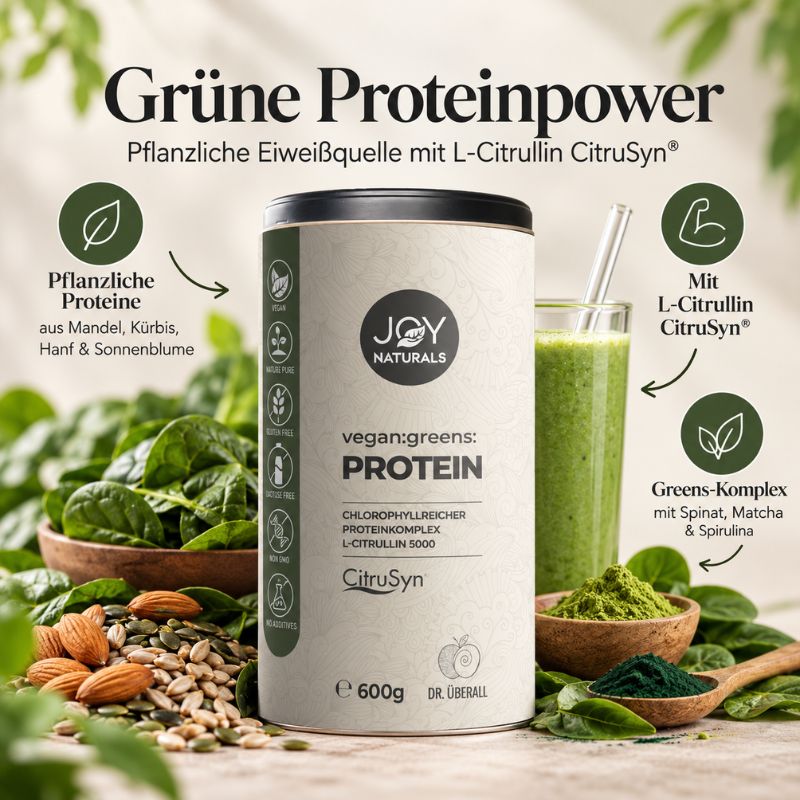
The selection of vegan proteins is large: pea, rice, hemp, pumpkin seed, sunflower seed, or mixtures of several sources. Pea protein is often well tolerated, but in a sensitive bowel it can increase bloating due to certain fermentable carbohydrates. Rice protein is usually milder, but sometimes tastes grainy on its own. Protein mixtures can be sensible in terms of taste and amino acid profile, but they also bring more ingredients that you should keep an eye on.
The protein itself is not always the trigger. Many powders contain intense sweeteners, sugar substitutes, flavorings, thickeners, or large amounts of added fiber. Sugar alcohols such as xylitol or erythritol can cause rumbling in sensitive people. Inulin is also a valuable prebiotic fiber for many, but can cause bloating in high doses—especially if your bowel is not used to it.
A quick look at the ingredients list is therefore worth more than the promises on the front of the package. A clear formula with understandable ingredients makes it easier to assess your own reaction. Products without artificial flavorings, sweeteners, and unnecessary fillers do not reduce every possible sensitivity, but they create a good, clear starting point.
How to conduct the test effectively
Choose as calm a phase as possible for your test. Do not start right at the beginning of a weekend with restaurant visits, alcohol, unusual foods, or a particularly hard training block. Your goal is not perfection, but to recognize a pattern.
On day one, take half a serving of the protein powder with water. Water is usually better than cow's milk or plant-based drinks for starting out, because this way you rule out another source of error. Drink the shake slowly and, if possible, not on a completely empty stomach if you usually react sensitively. A small, familiar meal beforehand can help.
Stick to the same amount for two to three days and observe how you feel. If everything feels good, you can increase to a normal serving and test for another two to three days. Briefly note down when you drank the shake, how much powder it was, what you ate with it, and how you felt afterward. Three lines in the notes on your phone are completely sufficient.
Pay particular attention to stomach pain, cramps, bloating, nausea, diarrhea, constipation, heartburn, unusual fatigue, and skin changes. Slight fluctuations can have many causes. However, if discomfort occurs every time after the same product and becomes stronger with a larger serving, a break is advisable.
After that, do not immediately switch to five new products. Take one or two symptom-free days and then test an alternative with a different protein source or a shorter list of ingredients. This way, you will more easily recognize whether you react to milk components, a plant-based source, or additives.
An everyday example
You have been drinking a whey shake with milk after training and regularly get bloated. The first step is not necessarily to completely give up protein powder. First, test the same powder with water. If the discomfort persists, a lower-lactose isolate or a vegan protein may be the better choice. If it disappears with water, the amount of milk, the combination, or the speed of drinking may have been the deciding factor.
If you do not tolerate a vegan powder with many additives well, a simply formulated variant of pea and rice protein may be worth a try. But give your body time. Especially with a higher-fiber diet, your digestion may first need to adapt.
Which protein source suits which goal?
For active people, the protein content per serving is often important. But for your long-term routine, it is just as important whether you enjoy drinking the product and tolerate it well. The best protein powder is not the one with the loudest label, but the one you use reliably and with a good feeling.
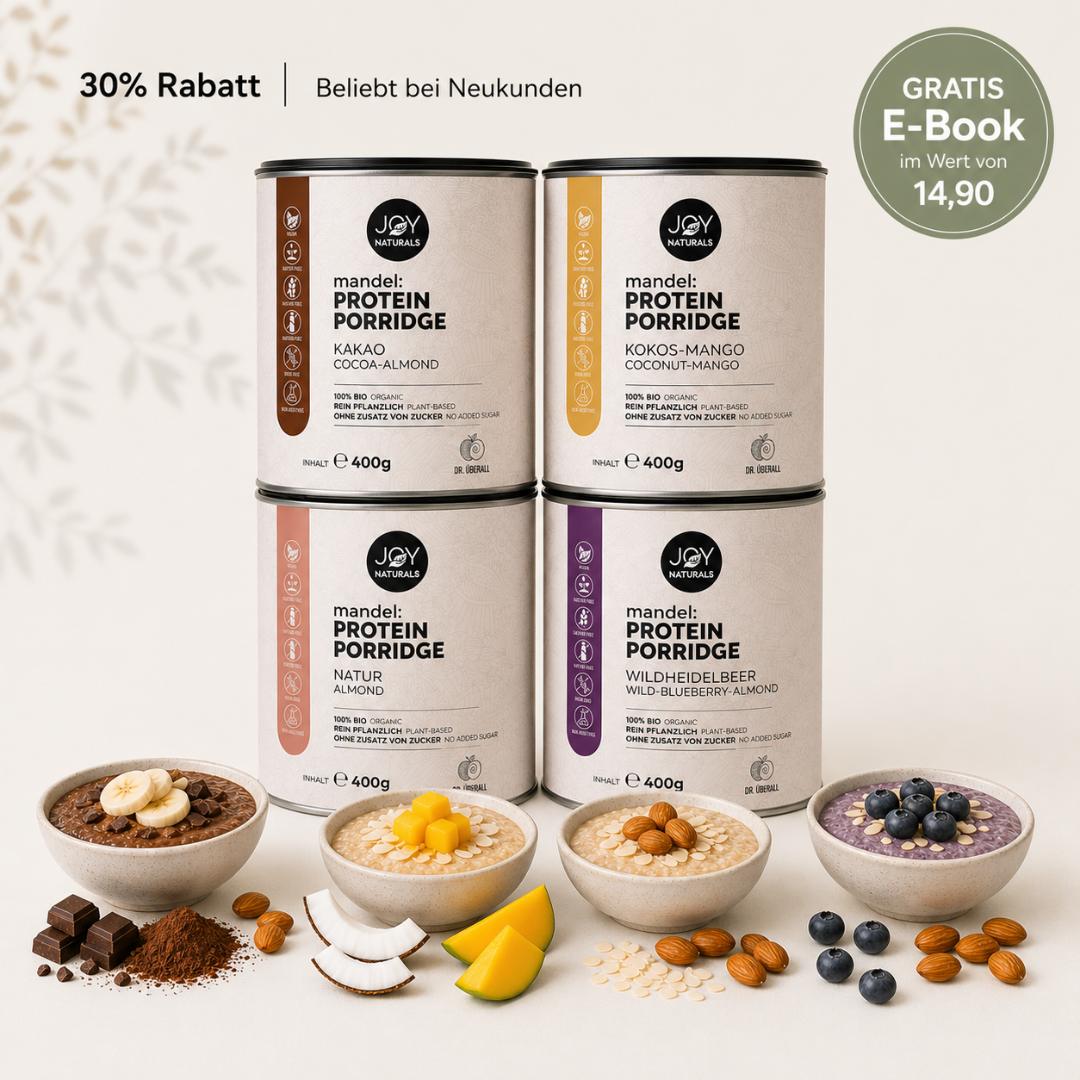
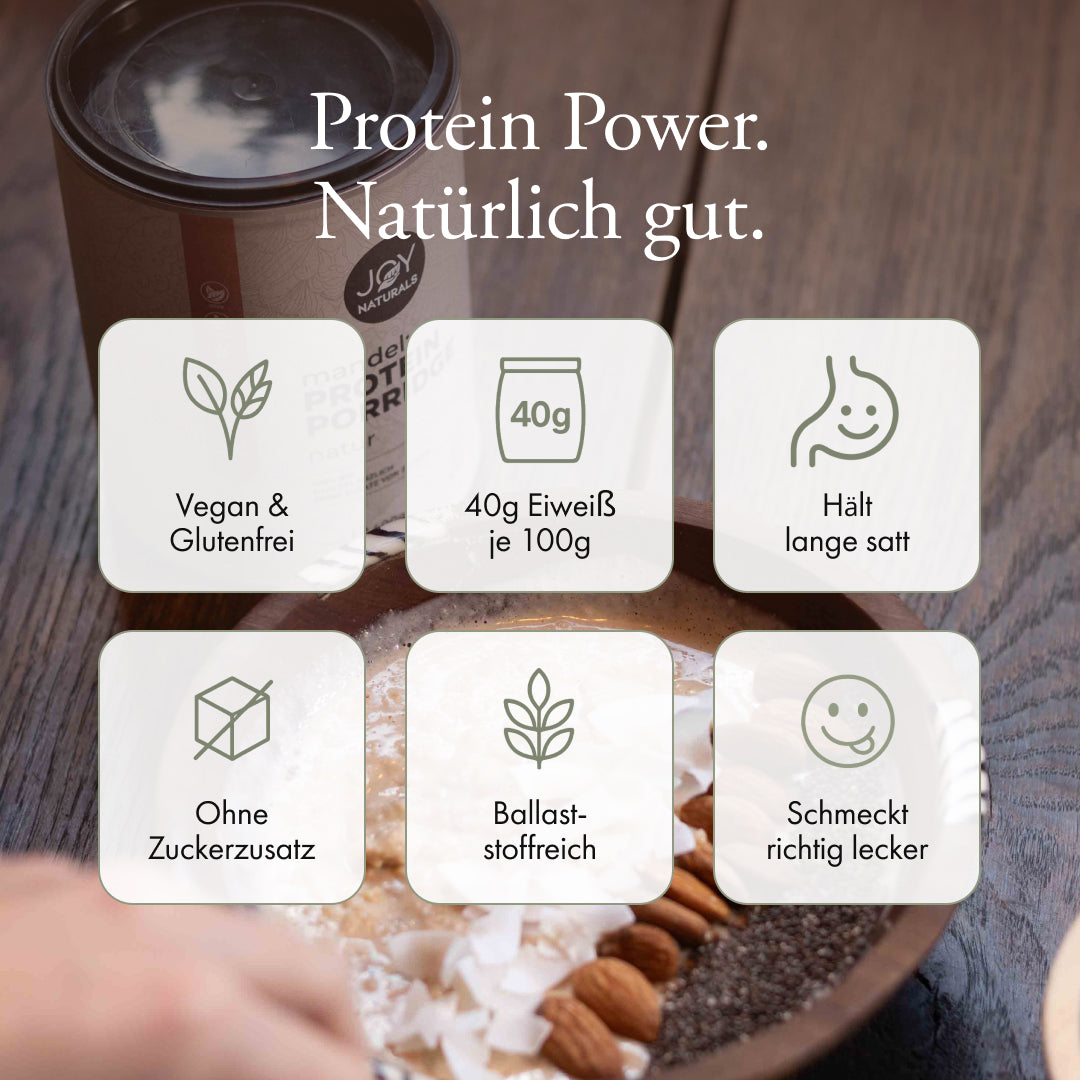
Whey can be practical if you tolerate dairy products well and want a quickly available protein after training. Vegan mixtures are a strong option for people who eat plant-based, avoid milk, or are looking for a natural variety. Hemp, pumpkin seed, or sunflower protein additionally bring characteristic nutrients and a nuttier taste. They fit particularly well into porridge, smoothies, or savory recipes, but must suit your taste.
The amount also makes a difference. For many adults, about 20 to 30 grams of protein per meal is a practical everyday guideline. However, your personal requirement depends on body weight, activity, total energy, age, and goal. Those who eat little, train a lot, or live plant-based often benefit from consciously distributing their protein intake throughout the day—not putting everything into a single shake.
Small adjustments that relieve the stomach
Sometimes it does not require a product change, but a smarter application. Mix the powder thoroughly and do not drink too quickly. Start with a smaller serving, especially if you have previously supplemented little protein or fiber. After a very intense workout, a shake with water can be easier than a lavish meal right afterward.
If you are prone to heartburn, do not test the shake immediately before going to sleep. With a sensitive bowel, it can also help to introduce only one new dietary habit at a time. Starting protein powder, creatine, magnesium, probiotics, and a suddenly very high-fiber diet in parallel makes it unnecessarily difficult to identify causes.
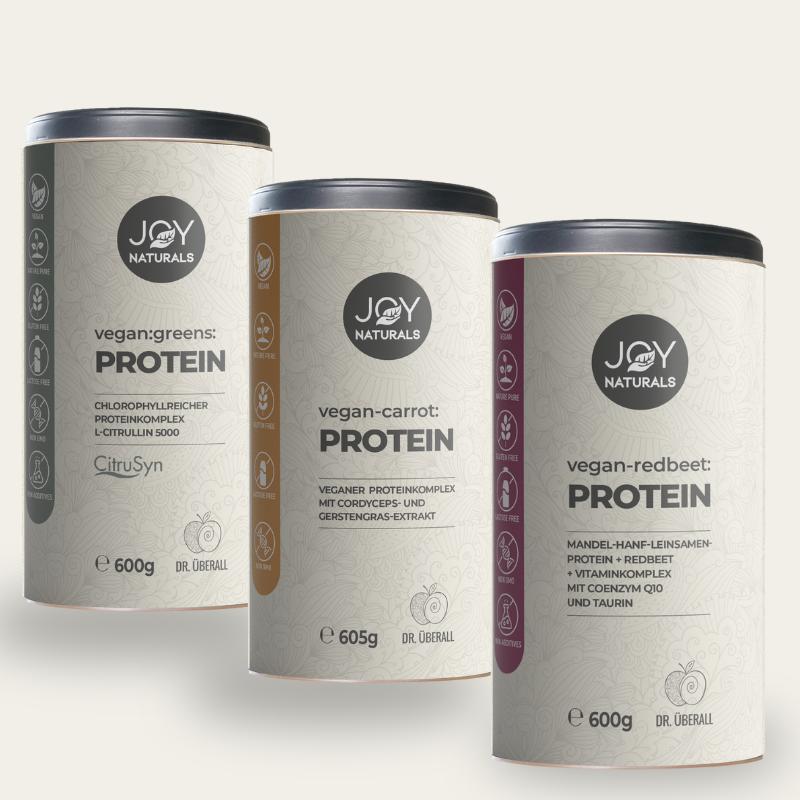
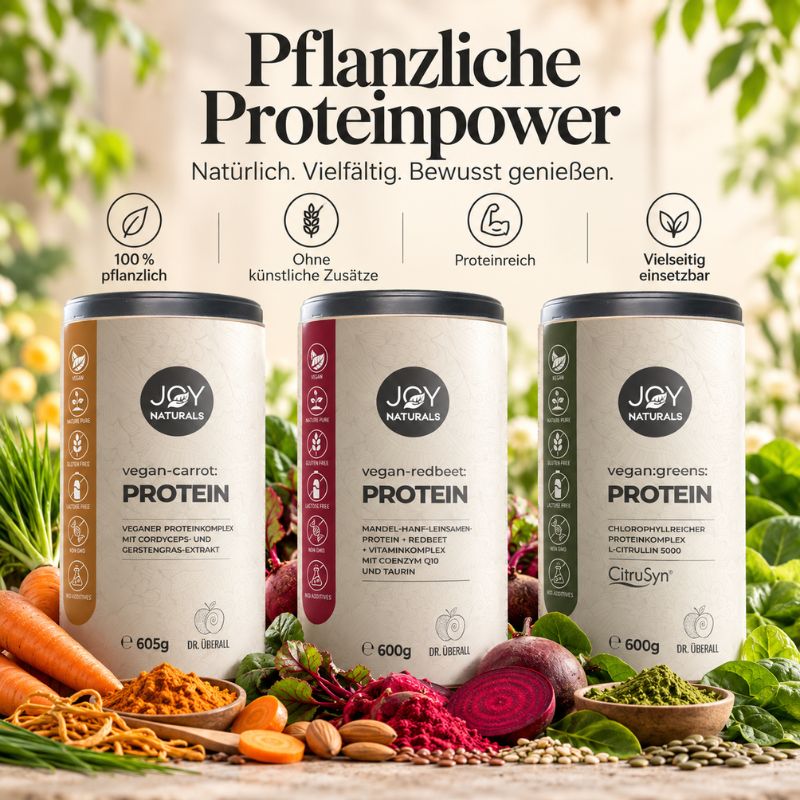
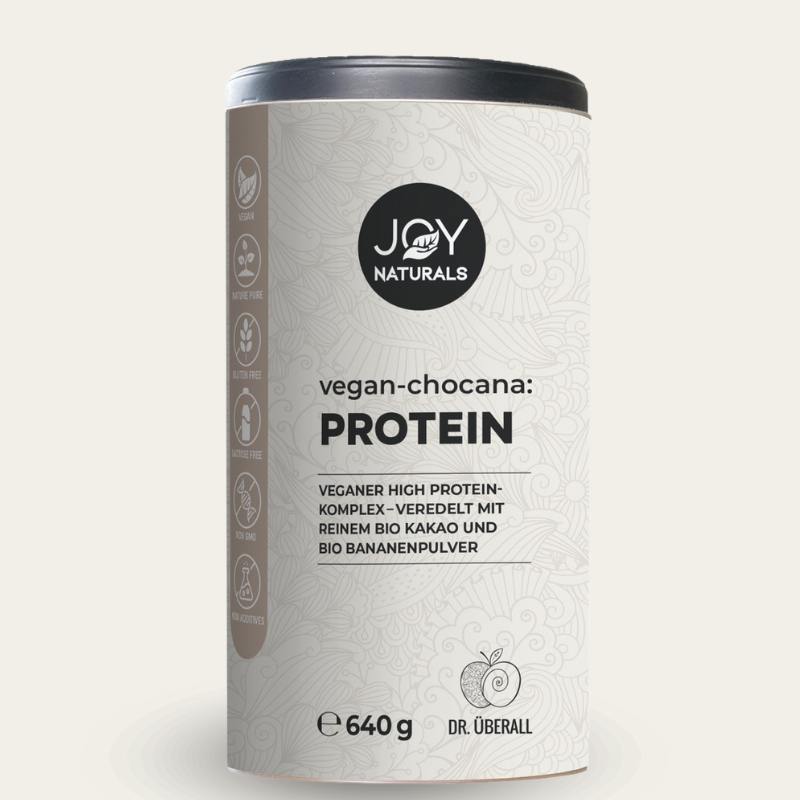
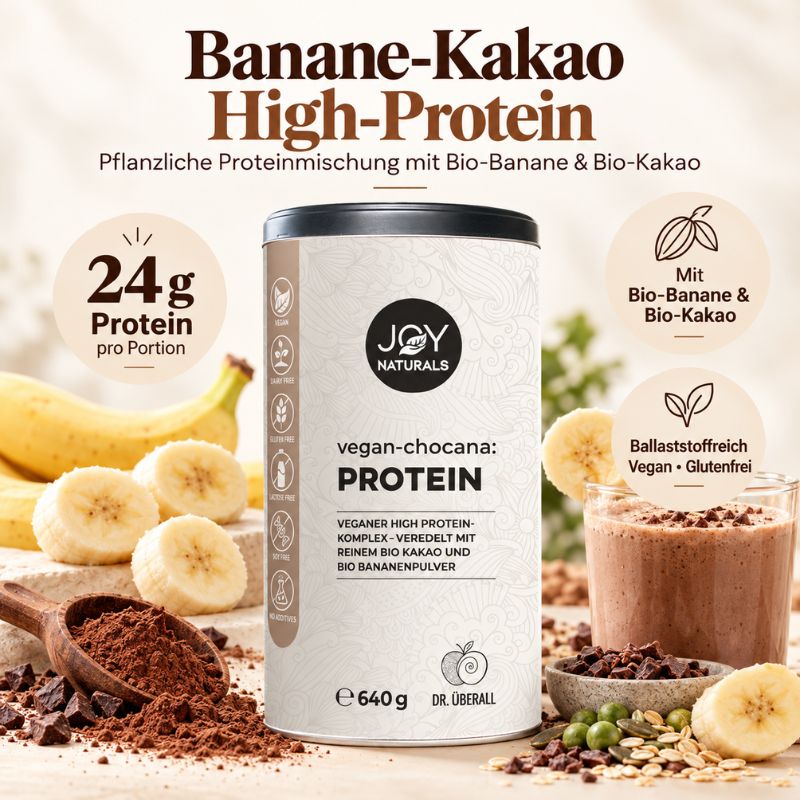
At JOY NATURALS, clear formulas, organic quality, and a careful selection of functional ingredients are at the center. This supports you in making your protein ritual a conscious routine—natural, focused, and fitting for your everyday life.
Your body does not have to get used to a protein powder that does not consistently do you good. Listen, test calmly, and choose a formula after which you feel nourished, full, and pleasantly light.