
An afternoon slump, restless sleep, cravings just before your period, or the feeling that despite healthy habits you can't quite get your energy up: hormones often make themselves felt in subtle ways in everyday life. Nutrition for hormonal balance doesn't mean controlling every bite or glorifying individual foods. Rather, it provides reliable building blocks so that your body can regulate energy, regeneration, and metabolism as stably as possible.
Hormones don't respond to perfection. They respond to patterns: to sufficient energy, regular meals, sleep, exercise, stress, and the nutrients you provide your body in the long term. That is precisely where the opportunity lies for an enjoyable routine.
What hormonal balance really means
Hormones are messengers. They influence, among other things, blood sugar, hunger and satiety, cycle, thyroid function, stress response, sleep, and muscle building. "Balance" does not mean that all hormone levels have to be the same every day. Especially in the menstrual cycle, fluctuations are normal and necessary.
What matters is how well your body can cope with these changes. A diet that doesn't let your blood sugar constantly ride a roller coaster, supports digestion, and provides sufficient energy can be a strong foundation. However, it does not replace medical assessment. In cases of very severe menstrual symptoms, missed periods, newly occurring acne, noticeable hair loss, persistent exhaustion, or unexplained weight changes, seeking medical advice is the right step.
Nutrition for hormonal balance: the most important building blocks
Instead of relying on a strict hormone diet plan, it pays to look at the nutrient density of your day. The foundation can be simple: real foods, enough protein, high-quality fats, complex carbohydrates, and fiber.
Protein brings stability to the plate
Protein is not only relevant for muscles. Proteins contribute to satiety and help you make meals more balanced. Especially a breakfast consisting almost entirely of white flour baked goods or sweet cereals can cause blood sugar to rise quickly and then fall again. The result: a concentration slump, irritability, or reaching for the next snack.
A combination of protein, fiber, and fat is more practical. A warm porridge with plant-based protein, berries, nuts, and seeds is an uncomplicated morning ritual. Natural yogurt or a plant-based alternative with protein powder, whole-grain bread with hummus, or lentil soup for lunch can also keep you going longer. How much protein you need depends on your body weight, activity level, age, and life phase. Active people usually have a higher requirement than people with a predominantly sedentary lifestyle.
Good fats are not an afterthought
Fats are building blocks for cell membranes and play a role in hormone metabolism. Therefore, a very low-fat diet is not a sensible long-term solution for many people. In everyday life, rely on natural sources such as nuts, seeds, avocado, olive oil, rapeseed oil, and fatty fish. Those who eat vegan can consciously include flaxseeds, chia seeds, walnuts, and high-quality algae oils.
A small but effective step: Regularly add a spoonful of seeds or nut butter to your salad, vegetables, or porridge. This turns a light meal into one that satisfies you better and can make fat-soluble vitamins such as A, D, E, and K more available.
Fiber supports the gut and blood sugar
The gut is not an isolated digestive organ. Its microorganisms process fiber into metabolic products that are connected to many processes in the body. In addition, fiber helps to flatten the blood sugar rise after a meal and keep digestion moving.
Oats, legumes, vegetables, berries, apples, flaxseeds, and whole-grain products are strong everyday sources. If you have eaten low in fiber so far, increase the amount gradually and drink enough. Too much at once can increase bloating and abdominal pressure. Even with a sensitive gut, the rule applies: test individually instead of forcing yourself through supposedly perfect foods.
Choose carbohydrates consciously, don't cut them out
Carbohydrates have their place in a diet for hormonal balance. Especially with regular training, mentally demanding workdays, or around menstruation, the energy requirement can noticeably increase. Those who reduce carbohydrates too much sometimes notice poorer sleep, less performance, or more intense cravings.
The difference often lies in quality and combination. Potatoes, oats, quinoa, buckwheat, rice, legumes, and whole grains provide energy and micronutrients. If you combine them with protein, vegetables, and fat, the meal will usually be significantly more satisfying. A plate of rice with vegetables, tofu, and sesame is therefore something completely different from a quickly eaten, sugar-rich snack on its own.
Micronutrients: small doses, central in the interplay
Magnesium, zinc, iron, iodine, selenium, vitamin D, B vitamins, and omega-3 fatty acids are involved in numerous metabolic pathways. They are not miracle cures, but they can contribute to the nutrient foundation if the supply is right. The topic becomes particularly relevant in certain life phases: with heavy menstruation, vegan nutrition, high training load, pregnancy planning, or little sunlight in winter.
Targeted supplementation can make sense, but it should not become guesswork. For iron, vitamin D, B12, or thyroid values, a laboratory assessment can provide clarity. More is not automatically better - some micronutrients can have unwanted effects if taken in excessive amounts. Choose transparent, sensibly dosed formulations without unnecessary fillers and understand them as a supplement to a good diet, not a replacement.
Your daily rhythm counts too
The body often benefits more from regularity than from complicated rules. This does not mean that you have to eat rigidly according to the clock. It means: do not wait every day until late afternoon before giving your body real energy for the first time. Especially on stressful days, plan meals that reliably provide you with nourishment.
A possible pattern could look like this: a high-protein breakfast, a wholesome lunch with vegetables and complex carbohydrates, a snack of fruit and nuts or a shake in the afternoon, and a light but nutrient-rich meal in the evening. If you train late, a small protein-carbohydrate snack afterward can support regeneration.
Caffeine also deserves an honest look. Coffee is a pleasure for many and does not necessarily have to be cut out. However, on an empty stomach, with little sleep and high tension, it can increase restlessness or digestive discomfort. Observe your reaction and, if necessary, combine it with breakfast instead of an empty stomach.
Understand stress eating without guilt
When the day is tightly scheduled, the body often craves quick energy. This is not a lack of discipline, but a comprehensible reaction. Prohibitions usually only intensify the pressure. It is more helpful to close the gap earlier: with prepared snacks, enough food at lunch, and a simple evening routine.
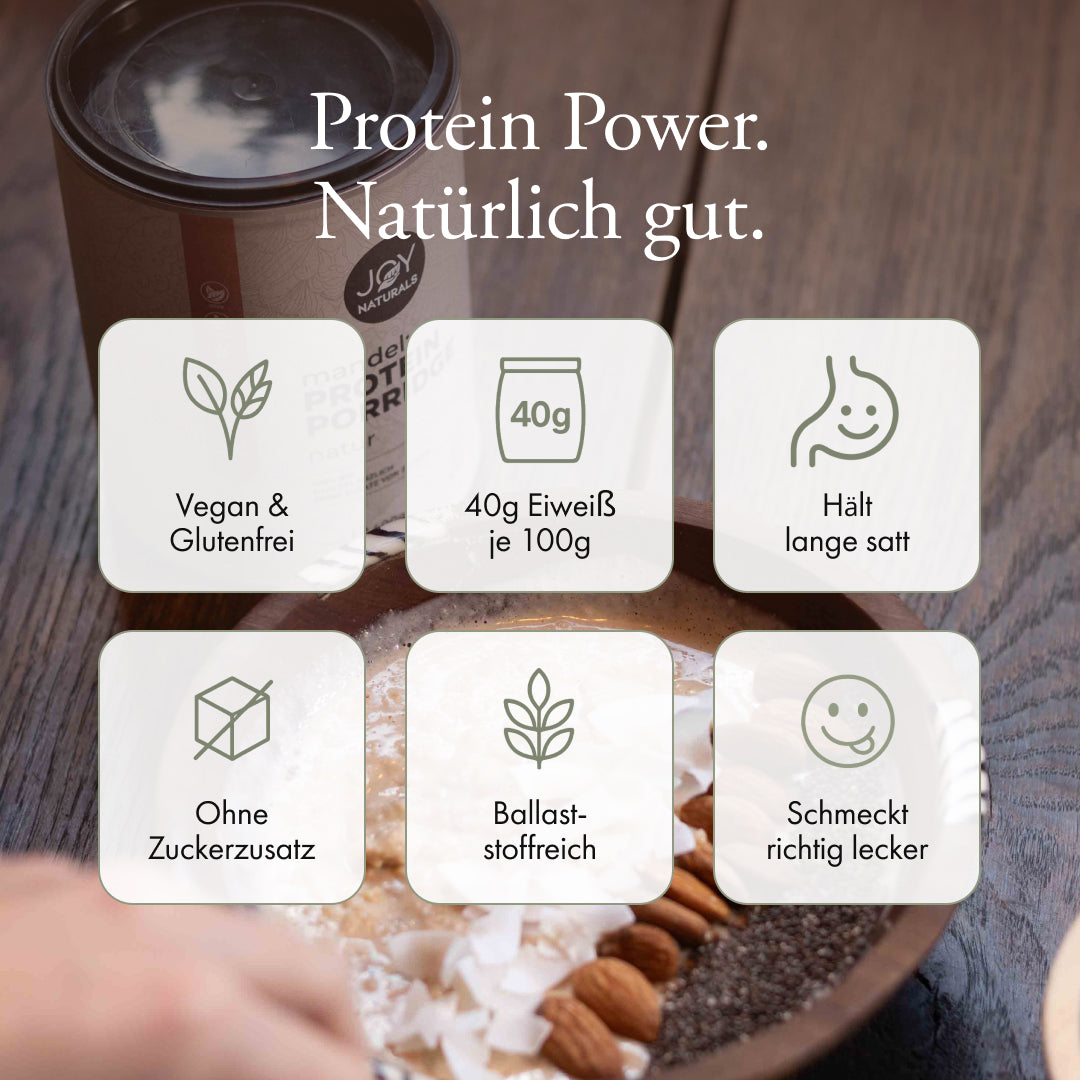
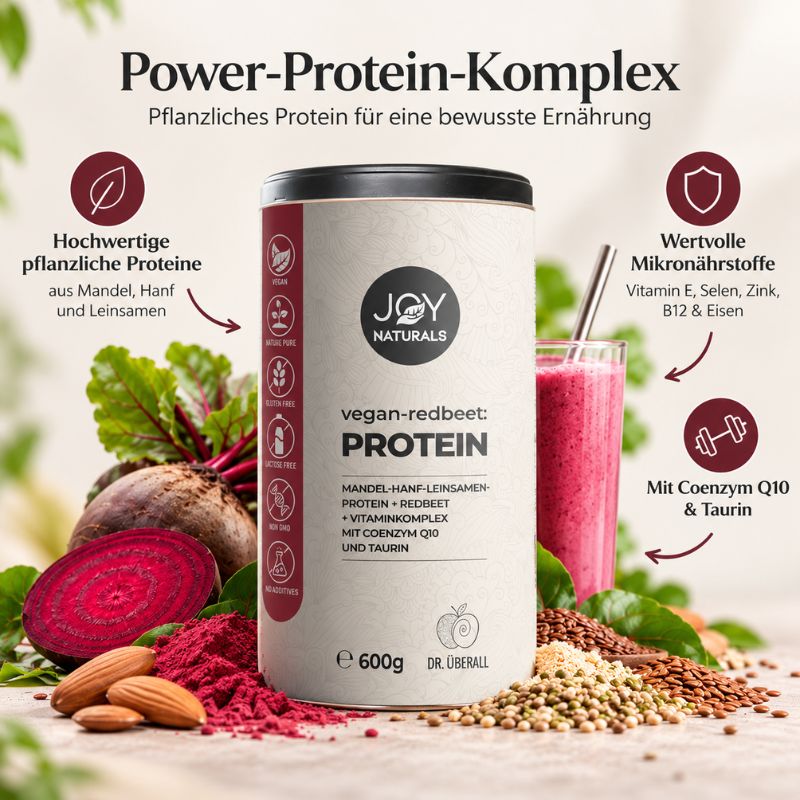
Keep ingredients on hand that really fit your everyday life: oats, nuts, seeds, legumes in glass, frozen berries, good oil, protein powder, and spices. Without much effort, they can be turned into meals that nourish you instead of further draining your energy. Products from JOY NATURALS can be a practical addition to your routine - for example, if a high-protein breakfast or a high-quality micronutrient complex is otherwise neglected in everyday life.
Small changes that pay off in the long term
You don't have to change everything overnight. Start with a habit that remains realistic: Add protein to your breakfast. Eat a large portion of vegetables with one main meal every day. Sprinkle ground flaxseed over your porridge. Or replace the quick office snack with a satisfying alternative three days a week.
Pay attention to your body feeling as well. More energy is a good sign, but not the only one. How is your sleep? How stable is your mood? How is your digestion? How do you experience your cycle? These observations help you fine-tune your diet without getting carried away.
Your hormonal health is not created by the one perfect smoothie. It grows with every meal that reliably nourishes you, with every break, and with routines that feel good and have a long-term place in your life.