
Why spontaneous decisions are rarely the healthiest
Our brains love easy solutions.
The more stressed or tired we are, the more often we automatically reach for foods that:
- are quickly available
- look especially tasty
- contain a lot of sugar or fat
- require little preparation time
This is completely normal.
Because self-control takes energy. And that is exactly the energy that is often missing after a long day at work.
Meal prep anticipates this decision.
Instead of having to think anew every day:
"What should I eat today?"
the answer is already in the refrigerator.
And that is exactly what makes the difference.
What meal prep really means
Many people imagine:
- hours of cooking in advance
- identical boxes for seven days
- boring chicken-and-rice dishes
But meal prep can be much simpler.
It simply means:
Invest a little time today so that healthy decisions are easier tomorrow.
This could be:
- cutting vegetables in advance
- preparing overnight oats
- layering salads in jars
- storing cooked potatoes or rice
- preparing legumes
- portioning snacks
- mixing dressings in advance
Even small preparations save many minutes every day.
Which problems meal prep solves
1. Fewer unhealthy impulse purchases
People who go shopping when they are hungry usually buy significantly more.
And often exactly the foods that were not planned at all.
With prepared meals, the temptation is significantly reduced.
2. Less stress in everyday life
After work, having to think about:
- What should I cook?
- Do I have all the ingredients?
- Do I still need to go shopping?
costs mental energy.
Meal prep reduces exactly this decision-making stress.
Many report that this makes even hectic weeks significantly more relaxed.
3. More vegetables on the plate
Cutting vegetables often takes longer than the actual cooking.
If it is already prepared, it ends up on the plate more often.
A small trick with a big impact.
4. More regular meals
People who are prepared are less likely to skip meals.
This can help
- prevent cravings,
- provide energy more evenly
- and eat more mindfully.
5. Better portion sizes
Prepared meals help many people better estimate portion sizes.
Not out of deprivation.
But because the food was planned more mindfully.
6. Less food waste
Leftover vegetables often disappear at the back of the refrigerator.
Meal prep ensures that food is processed more quickly.
This saves not only money, but also resources.
7. More variety
People who prepare in advance usually plan more varied meals.
Instead of eating the same quick dishes every day, various combinations are automatically created from:
- Vegetables
- Whole grains
- Protein sources
- Legumes
- Nuts
- Seeds
- Fruit
Meal prep is more than cooking in advance
Meal prep is actually a ritual.
A short moment in the week when you consciously take time for your own well-being.
Many people use:
- Sunday evening
- Monday morning
- a free afternoon
This often creates not only food.
But also a good feeling of control over the coming week.
This is how simple meal prep can look
Breakfast
- Overnight porridges
- Chia pudding
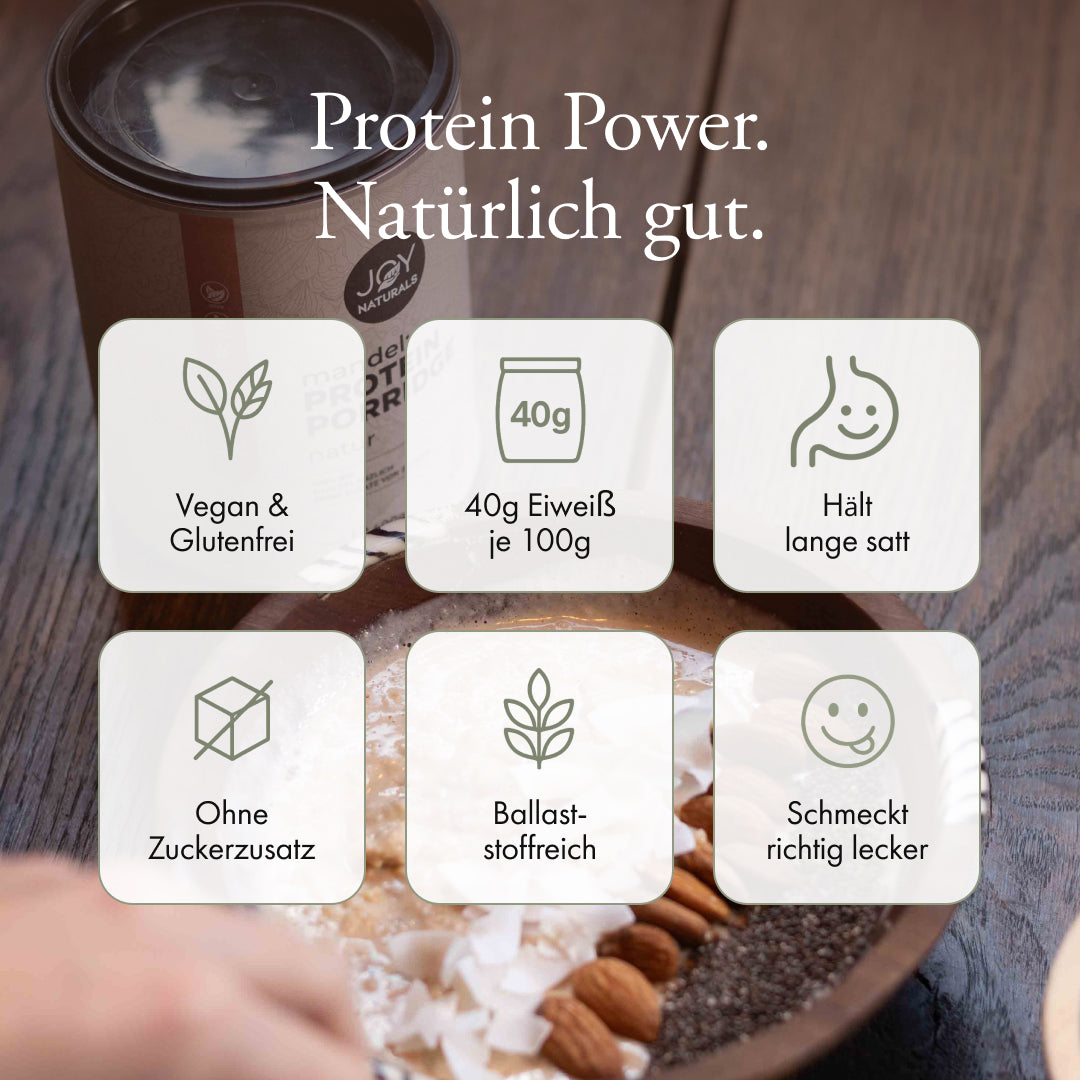
- Prepare almond porridge
- Portion yogurt with fruit
Lunch
- Quinoa bowl
- Lentil salad
- Couscous with vegetables
- Light potato salad
- Whole wheat pasta salad
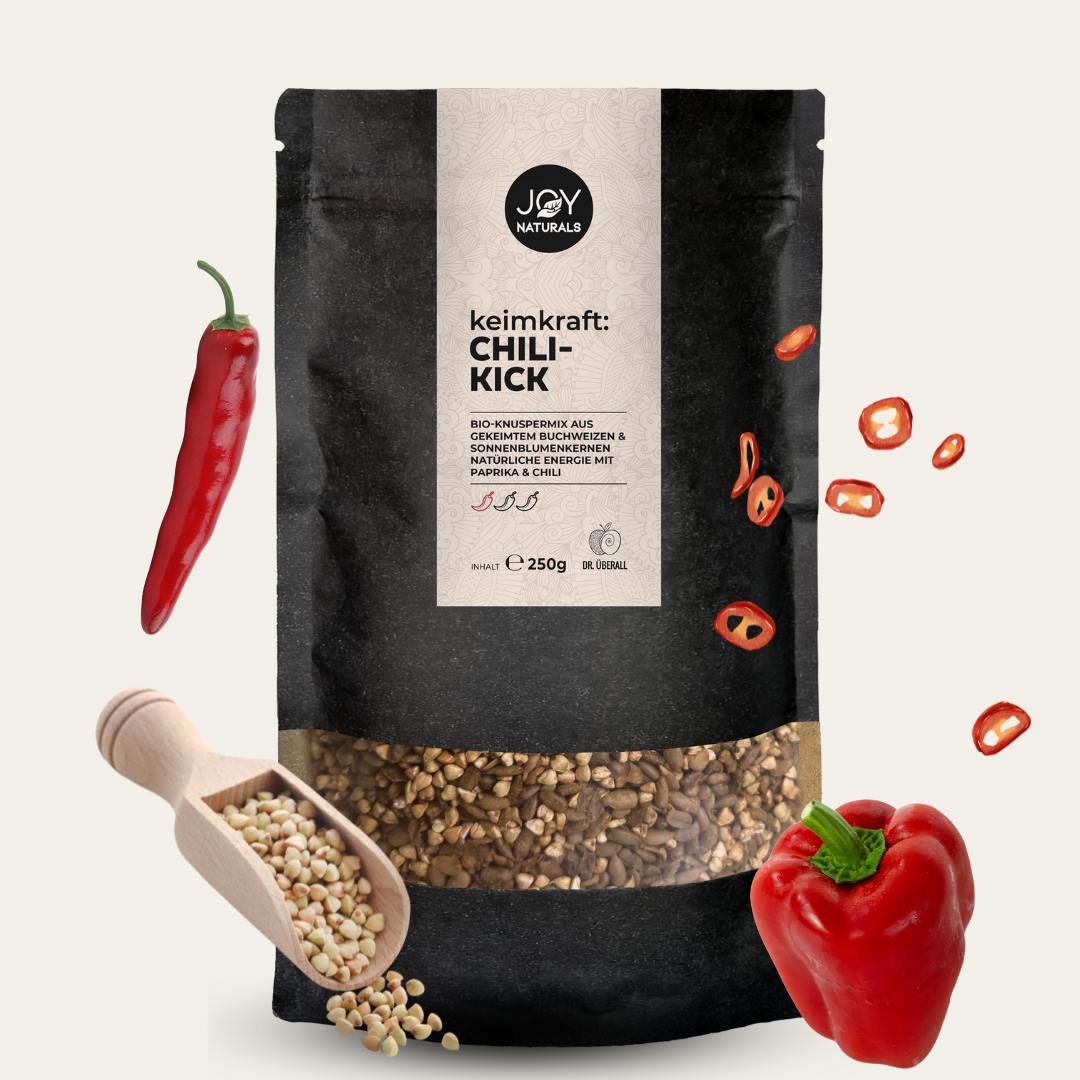
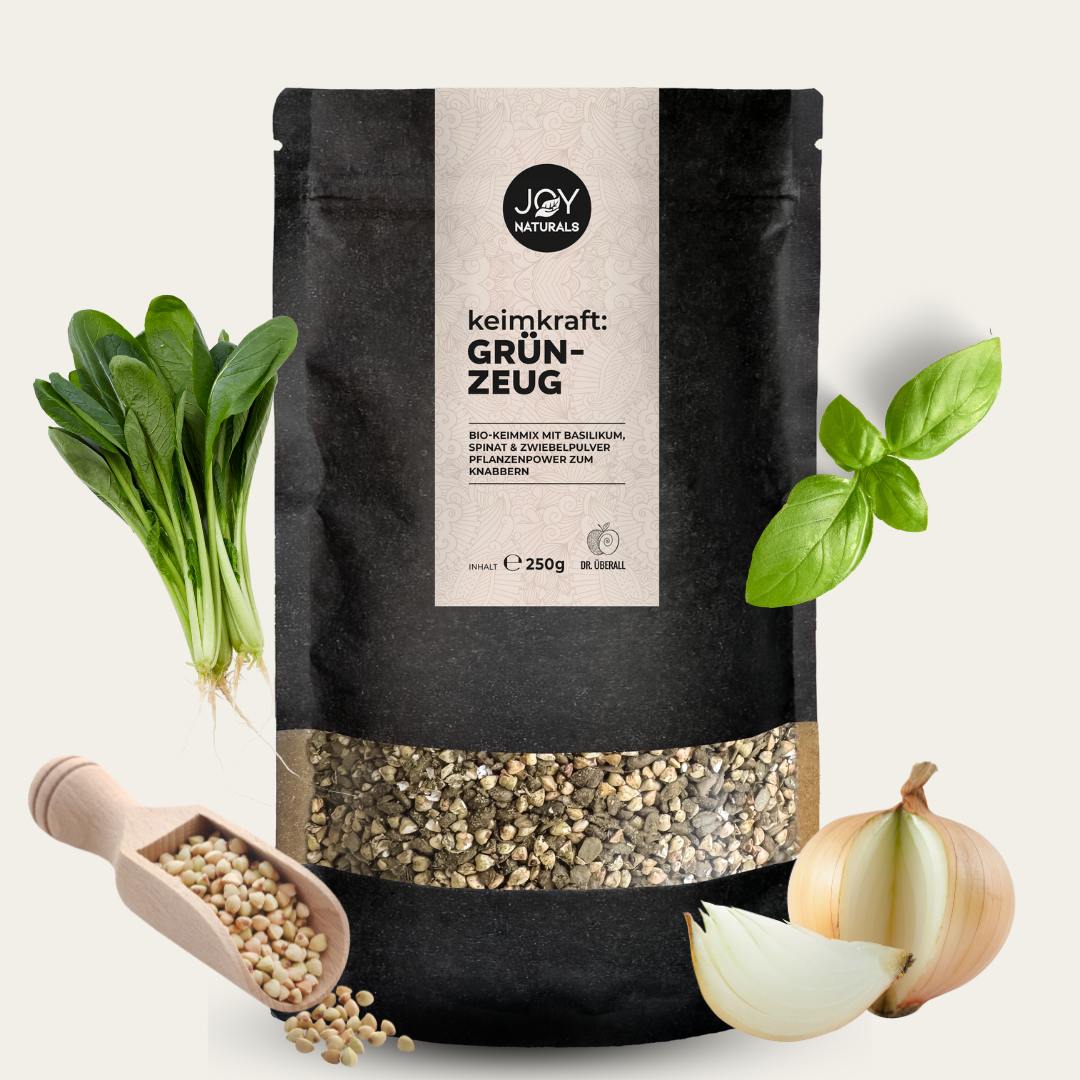
- Sprouted toppings
Dinner
- Roasted vegetables
- Vegetable stir-fry
- Curry
- Chili sin carne
- Soups
Many of these dishes taste even better the next day.
Healthy snacks always at hand
Often it is not lunch that determines our diet.
But the small snacks in between.
Ideal to prepare are:
- Vegetable sticks
- Fruit
- Nuts
- Almonds
- Natural yogurt
- Hummus
- Boiled eggs
- Whole wheat crackers
Those who already have healthy snacks at hand reach for sweets significantly less often.
Small extras with a big impact
Even small ingredients can enhance prepared meals in terms of taste and nutritional value.
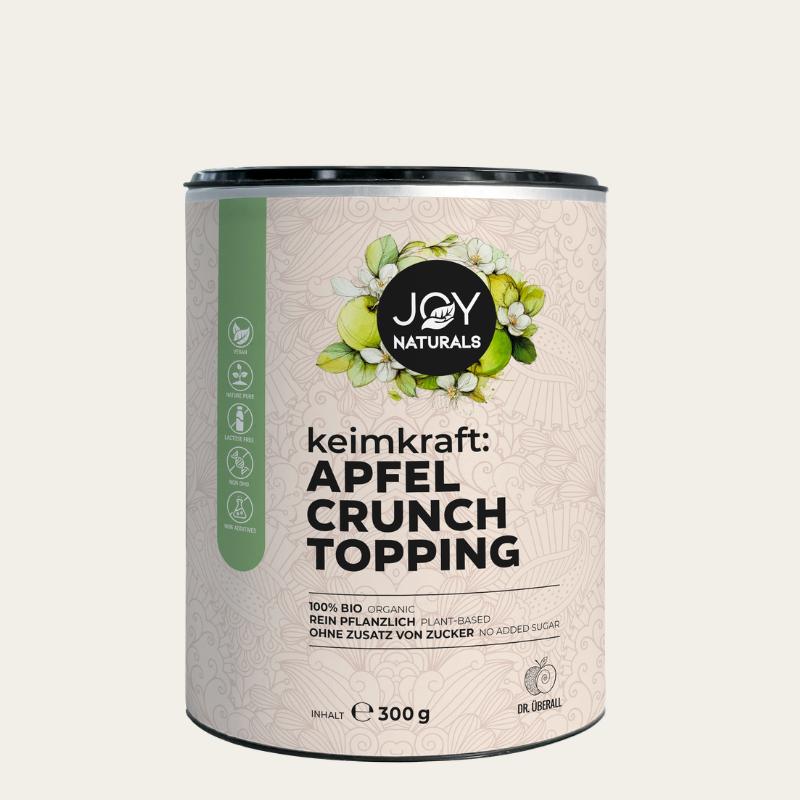
Particularly popular are toppings such as sprouted seeds. They provide a pleasant bite and complement salads, bowls, soups, or vegetable dishes in no time. Since they are already ready to eat, they can be sprinkled directly over the meal without additional effort – ideal for anyone who wants to make their meal prep routine more varied without hassle.
Meal prep often saves money too
Many underestimate this effect.
Those who:
- shop with a plan,
- use leftovers,
- order less
- and throw away less,
can often significantly reduce their food costs.
So healthy eating does not necessarily have to be more expensive.
Perfection is not the goal
A common mistake:
Many want to prepare the entire week at once.
This can quickly feel overwhelming.
Much easier:
Prepare only one meal a day at first.
For example:
- Breakfast
- or lunch
Even this small change can make everyday life significantly easier.
10 practical meal prep tips for getting started

1. Start with a fixed preparation day
Plan 30 to 60 minutes every week – for example on Sunday. A fixed appointment quickly makes meal prep a habit.
2. Do not plan every meal
It is often enough to prepare breakfast and lunch. This leaves enough flexibility for spontaneous dinners.
3. Cook larger portions
Many dishes such as soups, curries, or stews can easily be prepared for several days or frozen.
4. Use versatile staple ingredients
Cook rice, potatoes, quinoa, or whole wheat pasta in advance. Combined with different vegetables and protein sources, varied dishes can be created in no time.
5. Prepare vegetables immediately after shopping
What has already been washed and cut ends up on the plate significantly more often.
6. Keep healthy toppings at hand
Nuts, seeds, or sprouted seeds quickly add more flavor, texture, and variety to bowls, salads, and soups.
7. Provide healthy snacks
Portioned nuts, fruit, or vegetable sticks are ideal for on the go and help prevent cravings.
8. Label your supplies
A date on the containers provides an overview and helps to use food in time.
9. Allow yourself variety
Meal prep does not have to mean eating the same thing five days in a row. Even different spices, dressings, or toppings turn a staple ingredient into a new dish again and again.
10. Stay relaxed
Meal prep is not a competition. Every prepared meal is a step towards a more mindful diet – even if not every week goes perfectly.
Healthy eating often begins before the first bite
Those who want to eat healthier do not necessarily need more discipline. Often it is enough to organize everyday life so that the better decision becomes the easier one.
Meal prep creates exactly this prerequisite: It reduces stress, saves time, helps to use food sensibly, and makes balanced meals available at any time.
Even a few prepared components can make a big difference. Over time, this often develops into a ritual that not only changes the diet, but also makes everyday life more relaxed and predictable.
In the end, it is not about eating perfectly – but about regularly creating the best prerequisites for healthy decisions. Meal prep is a simple, practical, and sustainable start for this.