
What does longevity actually mean?
The term longevity comes from English and simply translates to long-livedness. However, it does not only mean living as many years as possible, but above all aging healthily, capably, and with mental clarity. In science, people often speak of healthspan rather than just lifespan – i.e., the time in life we spend without chronic diseases, limitations, or severe discomfort.
Longevity is therefore not a single product, not a diet, and not a short-term trend. It is a holistic approach that combines body, mind, and lifestyle.
Why supplements alone are not a solution
In recent years, there has been a real boom around longevity supplements: NMN, resveratrol, spermidine, NAD⁺, collagen, antioxidants – the list is long. Many of these substances are scientifically interesting and can be useful under certain conditions.
The problem: They are often sold as a shortcut.
The idea behind it is essentially: “Take this supplement and your body will age more slowly.” That sounds tempting – but it is too simplistic.
The reality is more complex
Longevity is significantly influenced by:
- Sleep quality
- Nutrition
- Exercise
- Stress management
- Metabolic health
- Hormone balance
- social factors
- mental health
If these fundamentals are not right, even the best supplements cannot achieve their full effect. They are then more of a fig leaf than a real strategy.
Supplements can support – they cannot compensate for an unhealthy lifestyle.
Longevity as the interplay of several pillars
A sustainable longevity approach rests on several supporting pillars. Only their interplay makes the difference.
1. Nutrition: Energy, not just calories
A longevity-oriented diet is:
- nutrient-rich
- low in inflammation
- as unprocessed as possible
- individually tailored
The focus is on:
- lots of vegetables (fiber, polyphenols)
- high-quality proteins (muscle and cell protection)
- healthy fats (omega-3, monounsaturated fats)
- complex carbohydrates in appropriate amounts
What matters is not perfection, but consistency.
2. Exercise: The most powerful “anti-aging tool”
Regular exercise is one of the best-researched longevity factors of all.
Particularly relevant are:
- Strength training (maintenance of muscle mass and bone density)
- Endurance training (cardiovascular health)
- Everyday movement (walks, stairs, mobility)
Muscle mass is considered today one of the most important markers of healthy aging.
3. Sleep and regeneration
Central repair processes occur during sleep:
- Cell repair
- Hormone regulation
- Immune system strengthening
- Memory consolidation
Chronic sleep deprivation measurably accelerates aging processes – regardless of diet or supplements.
4. Stress, nervous system & mindset
Chronic stress acts like a permanent inflammatory stimulus in the body.
Longevity therefore also means:
- conscious breaks
- breathing exercises
- mental routines
- clear boundaries in everyday life
A regulated nervous system is often the underestimated key.
Which nutrients play a role?
Even though supplements are not the foundation, certain nutrients play an important role – ideally first through nutrition, specifically supplemented when necessary.
Particularly relevant for longevity are:
- Proteins & amino acids (muscle, enzymes, hormones)
- Omega-3 fatty acids (anti-inflammatory, cell membranes)
- Magnesium (nervous system, regeneration)
- Vitamin D (immune system, muscles, hormones)
- B vitamins (energy and cell metabolism)
- Polyphenols (antioxidant protection, gut health)
What is decisive is not the quantity of individual substances, but the interplay in the context of the entire lifestyle.
Why routines are the key
Knowledge alone changes nothing. Longevity is created through repeatable, practical routines.
Examples:
- fixed bedtimes
- morning routine with light, movement, and hydration
- high-protein breakfast or first meal
- daily walks
- fixed workout times
- evening routine for stress reduction
Routines relieve willpower and make healthy behavior automatic.
How to meaningfully integrate longevity into everyday life
1. Start small
Don't change everything at once. One new habit per week is often more effective than a radical restart.
2. Set priorities
Sleep, exercise, and nutrition always come first. They form the foundation of every longevity strategy.
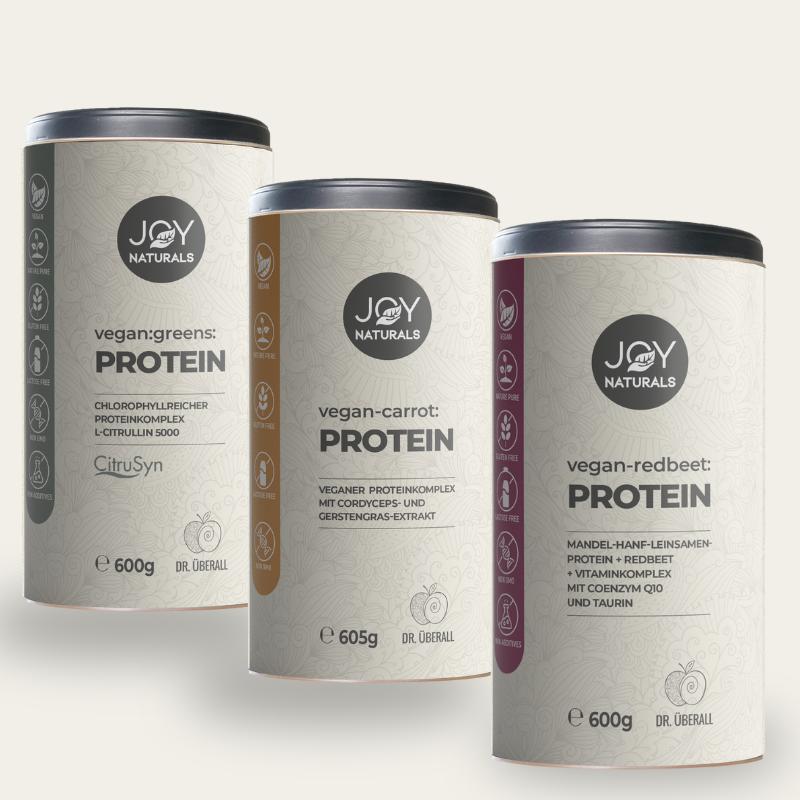
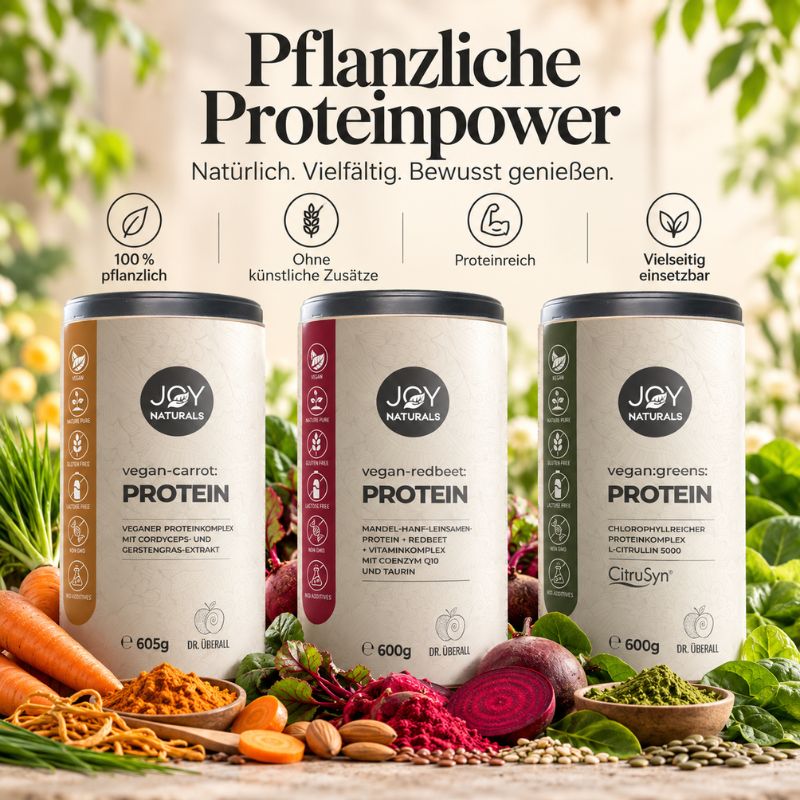
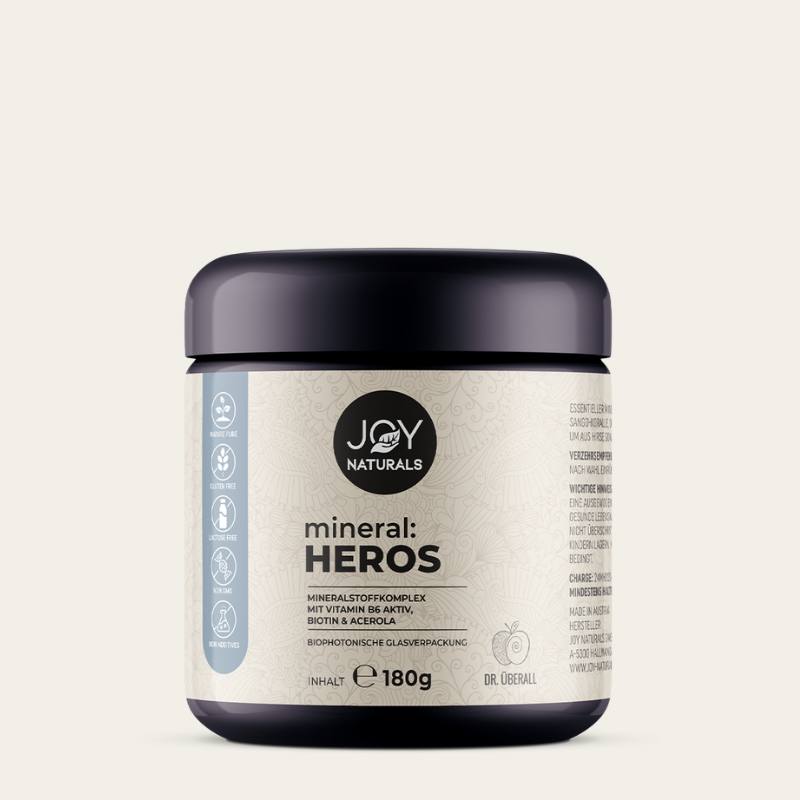
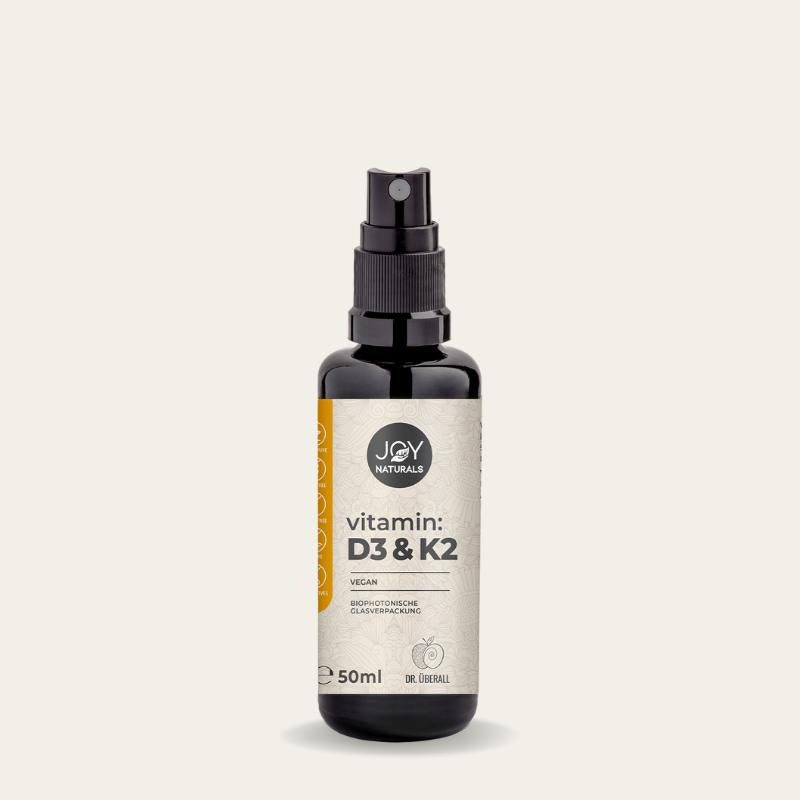
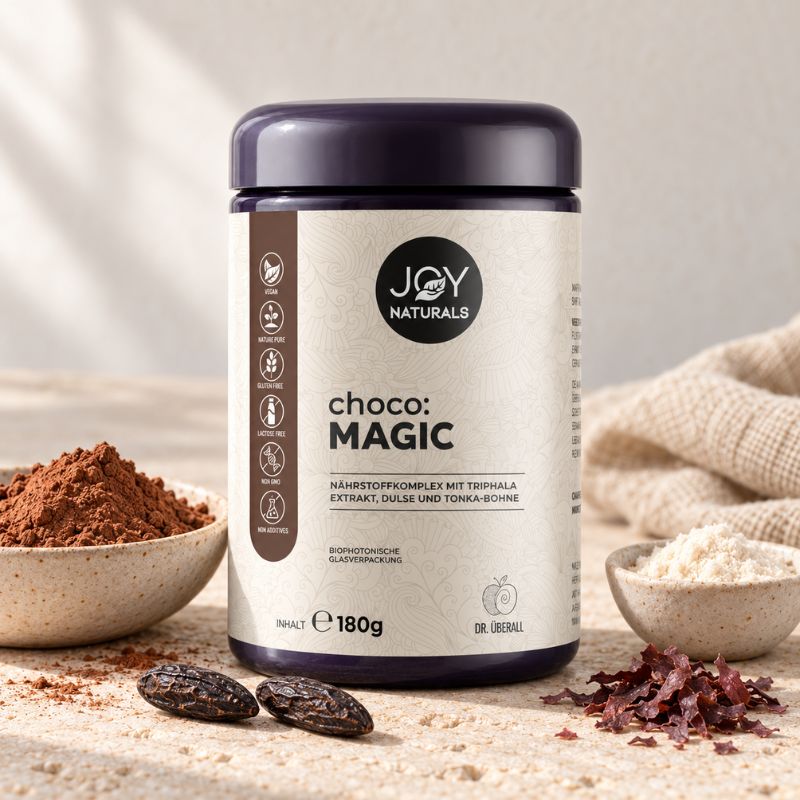
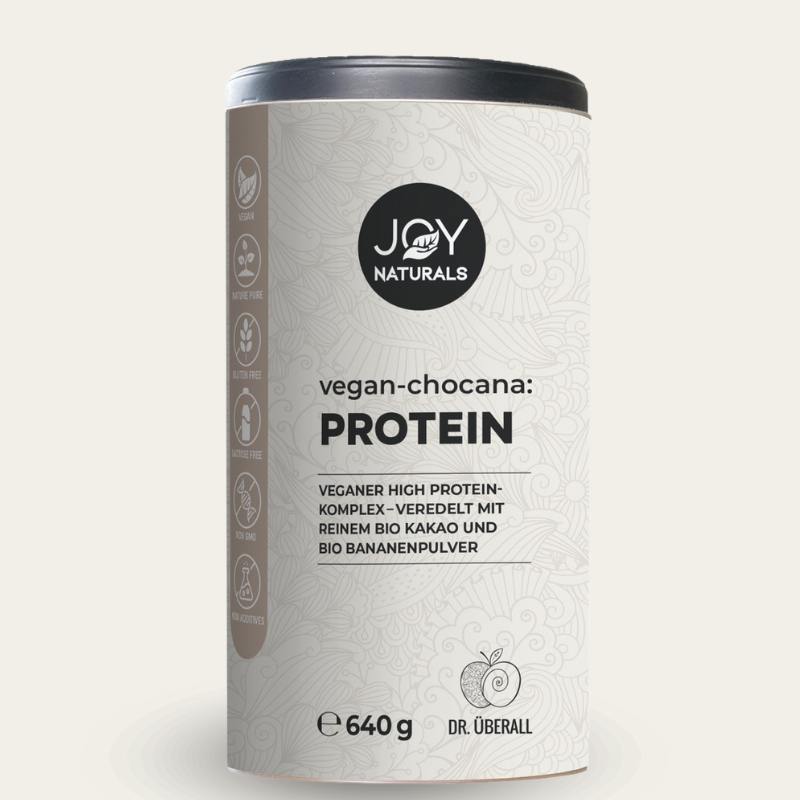
Supplementary nutrients are not a replacement for a balanced diet. Used correctly they can help, integrate certain nutrients into everyday life without hassle – especially during phases when cooking, planning or variety in food come to cut short.
This is how simple, repeatable routines are created that support nutrition in everyday life without creating additional pressure or complexity.
3. Consider individuality
What works for others does not automatically have to suit you. Biofeedback, type determination, blood values, and everyday life play a major role.
4. Think long-term
Longevity is not a 30-day program, but a lifestyle.
Longevity is therefore not a shortcut, but a system
Longevity means taking responsibility for your own body and everyday life. It is not about preventing aging – but actively and healthily shaping it.
Supplements can be a building block . However, the foundation is formed by routines, exercise, sleep, nutrition, and a regulated nervous system.