
Strengthen Your Immune System – Holistically, Not Just for the Short Term
February is a special month. The initial New Year motivation has faded, the days are still short, colds are sweeping through offices and schools, and many people are starting to feel: Energy reserves are not endless.
Right now is when it becomes clear how stable our immune system really is. And here lies a crucial difference:
Do we strengthen it for the short term – or holistically?
A few days of vitamin C as soon as your nose starts running? Or a sustainable strategy that combines sleep, gut health, stress management, and a nutrient-rich diet?
In this detailed article, you will learn:
- Why the immune system is more than just "defense against viruses"
- What role energy balance and inner balance play
- Latest insights from gut research & stress medicine
- Concrete tips for your everyday life
- Rituals for more stability in February
- How functional mushrooms and targeted gut support can be effectively integrated
1. The immune system is not a switch – but a network
Many people imagine the immune system like a muscle: weak or strong.
In reality, it is a highly complex network of:
- Gut flora (approx. 70–80% of immune cells are located in the gut)
- Mucous membranes
- Micronutrients
- Hormone system
- Nervous system
- Sleep and stress regulation
Immune health means system stability.
If one of these systems becomes chronically unbalanced – for example due to sleep deprivation or chronic stress – the immune system does not necessarily become "weak", but dysregulated. This manifests as:
- Frequent infections
- Long recovery times
- Tendency toward inflammation
- Exhaustion
- Skin problems
- Allergies
The modern approach is therefore not: "Boost your immune system", but:
Regulate, stabilize, and support it holistically.
2. The 4 pillars of a stable immune system
1. Sleep – the underestimated immune elixir
Recent studies clearly show: Just one week with less than 6 hours of sleep per night significantly reduces the activity of natural killer cells.
While we sleep:
- Immune cells regenerate
- Inflammatory markers are regulated
- The body produces melatonin (with antioxidant effects)
- The nervous system consolidates stress stimuli
Sleep deprivation acts like chronic stress on the immune system.
Practical tips:
- Fixed sleep times (even on weekends)
- No bright light / no screens 90 minutes before bedtime
- Evening ritual (tea, reading, breathing exercise)
- No heavy food late in the evening
2. Gut health – the key to immune balance
Gut research is one of the most dynamic areas of medicine.
Latest insights show:
- A diverse microbiota is directly linked to a lower susceptibility to infections.
- Certain bacterial strains influence the formation of regulatory T cells.
- A disrupted gut can promote silent inflammation (low-grade inflammation).
Why prebiotics are crucial
Prebiotics are fibers that feed "good" gut bacteria.
They promote:
- Butyrate production (important for the intestinal mucosa)
- Barrier function
- Immune modulation
Targeted gut support can therefore be crucial, especially in winter.
Products with:
- Prebiotics
- Targeted bacterial strains
- Vitamin C to support the immune system
can be a useful addition – especially for:
- recurring infections
- history of antibiotic use
- stress
- digestive issues
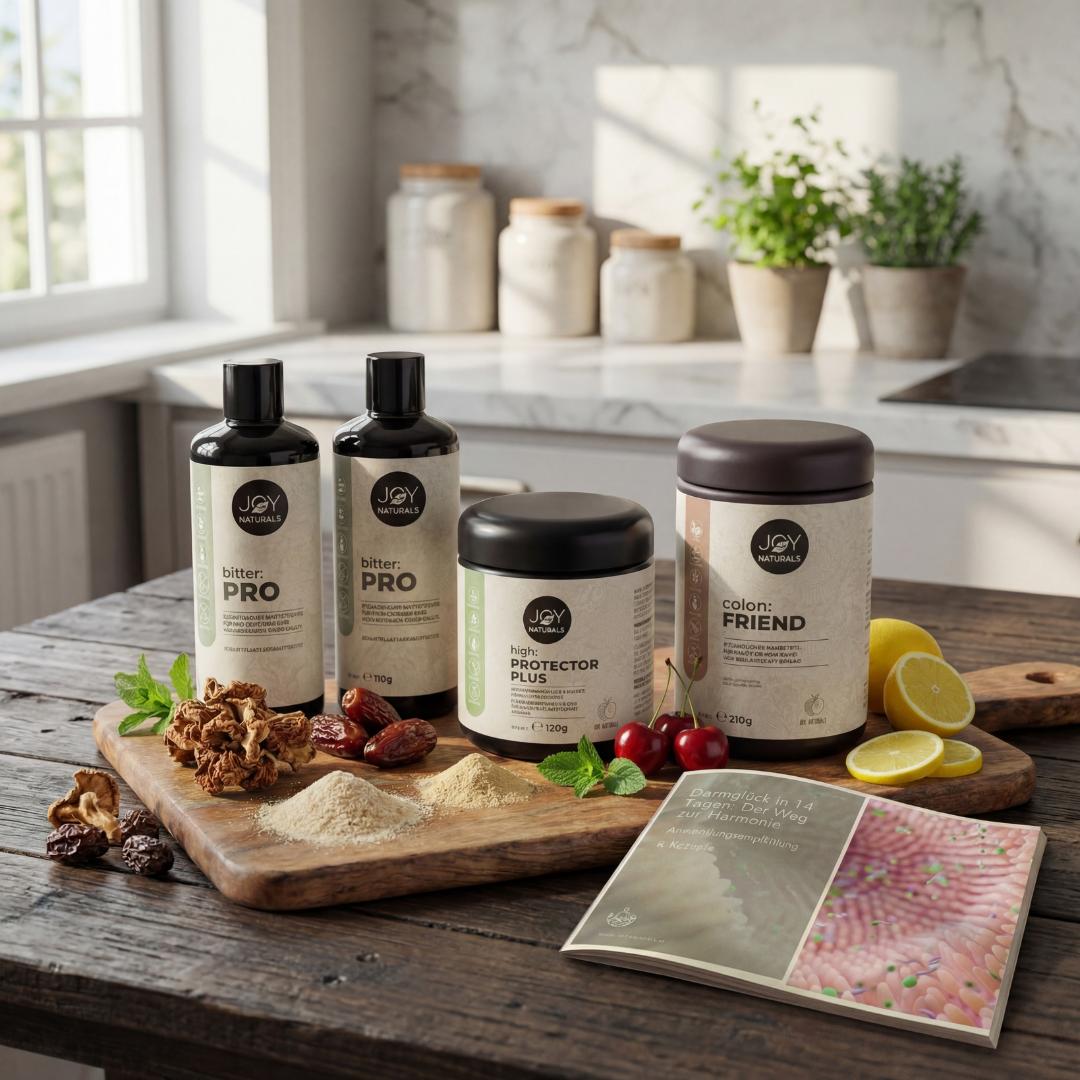
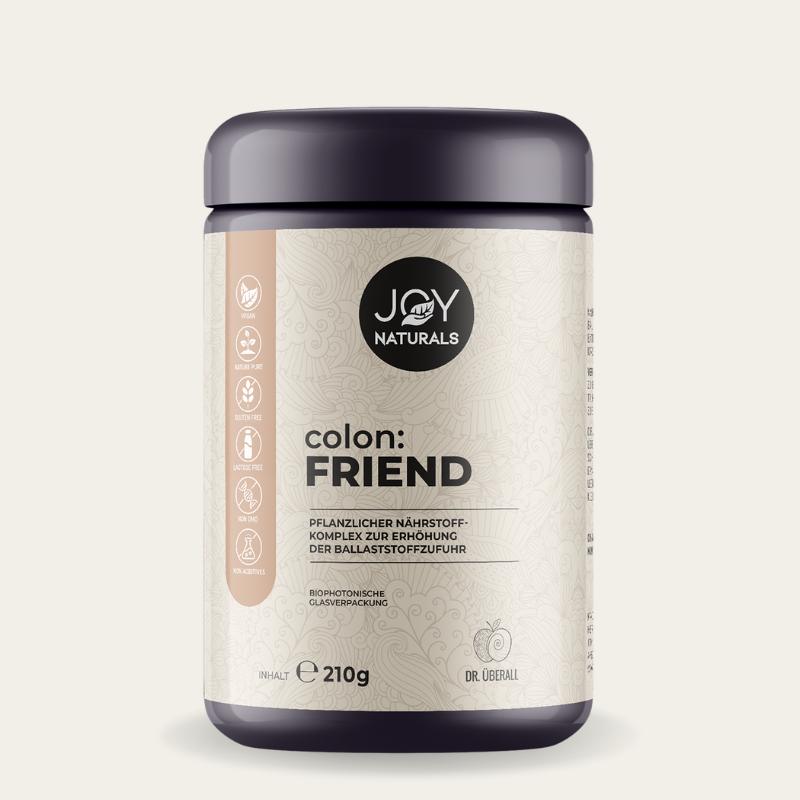
A combination of a prebiotic and specific bacterial strains – such as in a concept like "Colon Friend" with additional immune support (e.g., vitamin C and protective bacterial cultures) – addresses exactly this: Stabilize the gut barrier, nourish the microbiome, regulate the immune system.
3. Stress reduction – immunity begins in the nervous system
Chronic stress increases cortisol.
Useful in the short term. Problematic in the long term.
Persistently elevated stress hormones can:
- Promote inflammatory processes
- Weaken the gut barrier
- Disrupt sleep
- Inhibit the immune response
Modern psychoneuroimmunology clearly shows:
Thoughts, emotions, and the immune system are closely linked.
Mini-tools for everyday life:
- 5 minutes of conscious belly breathing
- 10-minute walk without a phone
- Gratitude journal
- Reduce caffeine after 2 PM
- Cold or alternating showers (gentle stimulation)
4. Nutrient-rich diet – foundation instead of short-term "boosters"
A strong immune system needs:
- Vitamin C
- Vitamin D
- Zinc
- Selenium
- secondary plant compounds
- Beta-glucans
- sufficient protein
Instead of isolated "high-dose" approaches, a daily, consistent supply is crucial.
Focus in February:
- Root vegetables
- Fermented foods (bitter compounds from roots and herbs)
- Mushrooms
- Legumes
- Citrus fruits
- Nuts & seeds
- High-quality broths
3. Functional mushrooms – Modern research meets tradition
Medicinal mushrooms are experiencing a real renaissance after several years. What has been used in Traditional Chinese Medicine (TCM) and Japanese naturopathy for centuries is increasingly coming into focus in modern research.
They are primarily valued for their:
- Beta-glucans
- Polysaccharides
- Triterpenes
- antioxidant compounds
- immunomodulating properties
The important thing is:
Functional mushrooms do not aggressively "push" the immune system – they act regulating (immunomodulating). This means they can have a balancing effect on both an overly weak and an overactive immune response.
Especially in February – when stress, lack of light, and susceptibility to infections coincide – they can be a valuable part of a holistic strategy.
Hericium (Lion's Mane)
Focus: Gut & Nervous System
- supports the regeneration of the intestinal mucosa
- can promote the production of nerve growth factor (NGF)
- potentially acts as a stress regulator
- is associated with improved mental clarity
Since the gut and immune system are closely linked, Hericium is particularly interesting for people with:
- a sensitive gut
- stress
- increased susceptibility to infections
- mental exhaustion
Reishi (Ganoderma lucidum)
Focus: Stress resilience & immune regulation
- rich in triterpenes
- adaptogenic properties
- can act as an anti-inflammatory
- traditionally known as the "mushroom of immortality"
Reishi is particularly suitable for:
- people with high stress levels
- sleep problems
- inner restlessness
- increased tendency toward inflammation
It supports less the short-term energy – but rather the deep stability.
Chaga
Focus: Antioxidant protection
- exceptionally high ORAC value
- rich in melanin
- contains beta-glucans
- supports protection against oxidative stress
Chaga is particularly interesting in times of increased strain – for example during:
- winter fatigue
- environmental stress
- intense work phases
Shiitake
Focus: Classic immune support
- contains lentinan (beta-glucan)
- can stimulate natural killer cells
- supports the body's own defenses
Shiitake is one of the best-researched medicinal mushrooms in the area of immune function.
Maitake (Grifola frondosa)
Focus: Immune system & metabolism
Maitake means "dancing mushroom" in translation – and is traditionally considered particularly valuable in Japan.
Modern research highlights:
- high content of beta-1,3/1,6-glucans
- possible activation of macrophages and NK cells
- Support of immune regulation
- positive effects on blood sugar and metabolic processes
Particularly exciting:
Maitake seems not only to modulate the immune system, but also to positively influence the energy balance through metabolic processes.
It can therefore be useful for:
- Exhaustion
- metabolic imbalance
- increased susceptibility to infections
- winter sluggishness
Maitake elegantly combines immune and energy stabilization.
Auricularia (Wood ear)
Focus: Blood circulation & microcirculation
Auricularia is traditionally considered less as a classic "immune mushroom", but rather as:
- blood circulation promoting
- vascular supportive
- balancing for the cardiovascular system
It contains:
- Polysaccharides
- Adenosine
- secondary plant compounds
New studies are looking at its role in:
- microcirculation
- blood flowability
- vascular health
Why is that relevant for the immune system?
Good microcirculation means:
- better nutrient supply
- more efficient transport of immune cells
- faster regeneration
Auricularia thus indirectly supports system stability – especially in combination with stress-regulating and gut-supporting measures.
Why mushrooms are particularly well suited for February
Biologically speaking, winter is more of a phase of:
- Withdrawal
- Regeneration
- Energy storage
Functional mushrooms don't act as a quick stimulus – but rather as an adaptogenic buffer between exertion and regeneration.
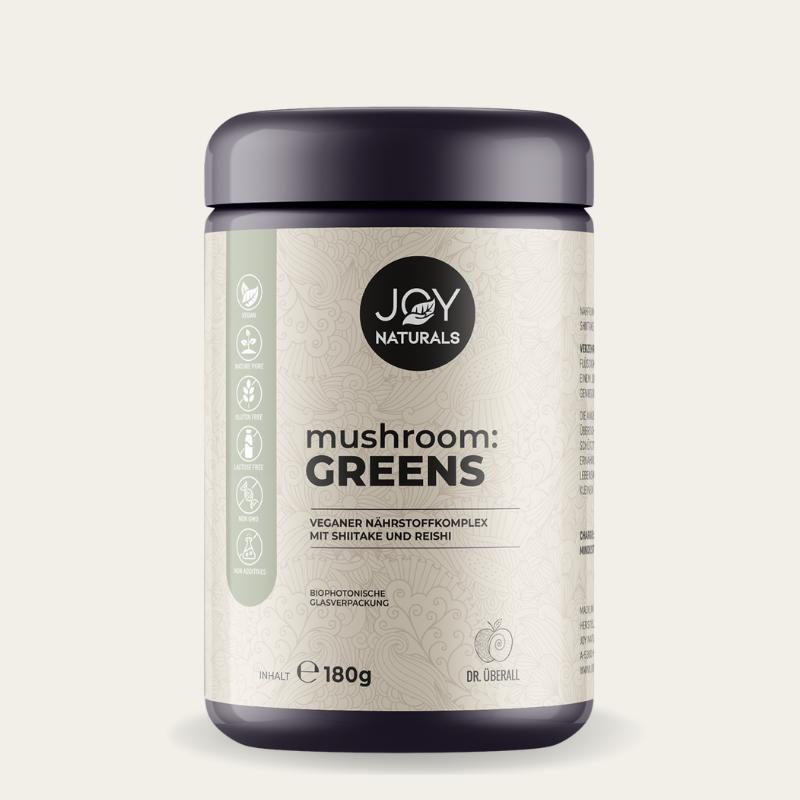
A practical way to integrate them is through high-quality mushroom coffees that combine several of these mushrooms – for example:
- Hericium for focus & gut health
- Reishi for balance
- Chaga for antioxidant protection
- Shiitake for immune regulation
- Maitake for metabolism & energy
- Auricularia for circulation
This turns a morning ritual into functional support for:
- The immune system
- Energy balance
- Stress resilience
- Inner balance
The combination makes the difference
The synergy of the following is particularly exciting:
- Functional mushrooms
- Prebiotics
- Targeted bacterial strains
- Vitamin C
- Anti-inflammatory diet
- Stress regulation
A gut health concept with prebiotics, protective bacterial strains (e.g., a combination of a "Colon Friend" approach with a High-Protector-Plus complex) can help:
- Stabilize the gut barrier
- Nourish the microbiome
- Reduce silent inflammation
- Regulate the immune response long-term
Mushrooms don't work in isolation here – but as part of a system.
4. Energy balance – why immunity needs strength
The immune system is energy-intensive.
Every immune response consumes resources.
When we:
- Consistently eat too little
- Get too little sleep
- Are chronically stressed
The body lacks the foundation.
This is why many people feel exhausted for weeks after an infection:
The immune system has consumed a lot of energy.
Stability is created not by pushing, but by refilling.
5. Holistic February ritual for stability & balance
Here is a possible weekly ritual for week 5:
Morning
- Warm water with lemon
- Mushroom coffee with Hericium or Reishi
- 5 minutes of breathing exercises
- High-protein breakfast
During the day
- 1 serving of fermented food
- Prebiotic fiber
- Plenty of water
- 10–15 minutes of daylight
Evening
- Light dinner
- Gut support with prebiotics and probiotics
- Vitamin C
- Screen-free time
- Relaxation ritual
6. Latest insights 2025/2026 – Where is research heading?
Current immune research is strongly focused on:
- Microbiome diversity instead of "single super strains"
- Individualized supplementation
- The connection between mental health & immune status
- Low-grade inflammation as a cause of chronic symptoms
- Adaptogens & mushroom beta-glucans in prevention
The trend is clearly moving away from short-term "immune boosting" towards:
Regulation, gut barrier stabilization, and stress modulation.
7. Strength is created through balance
A strong immune system in February 2026 means:
- Enough sleep
- Healthy gut flora
- Reduced stress
- Nutrient-rich diet
- Functional support through mushrooms & micronutrients
Holistic instead of short-term.
Not: "How do I prevent the next cold?"
But: "How do I stabilize my system long-term?"
Your prompt for this week
Ask yourself the following question:
What would really give my body stability right now – more pressure or more care?
Maybe it starts with:
- Going to bed earlier
- A conscious gut cleanse
- An adaptogenic morning ritual
- A week without chronic stress
Immune health is not a sprint.
It is a daily decision for balance.
And right now – is the perfect time for it.