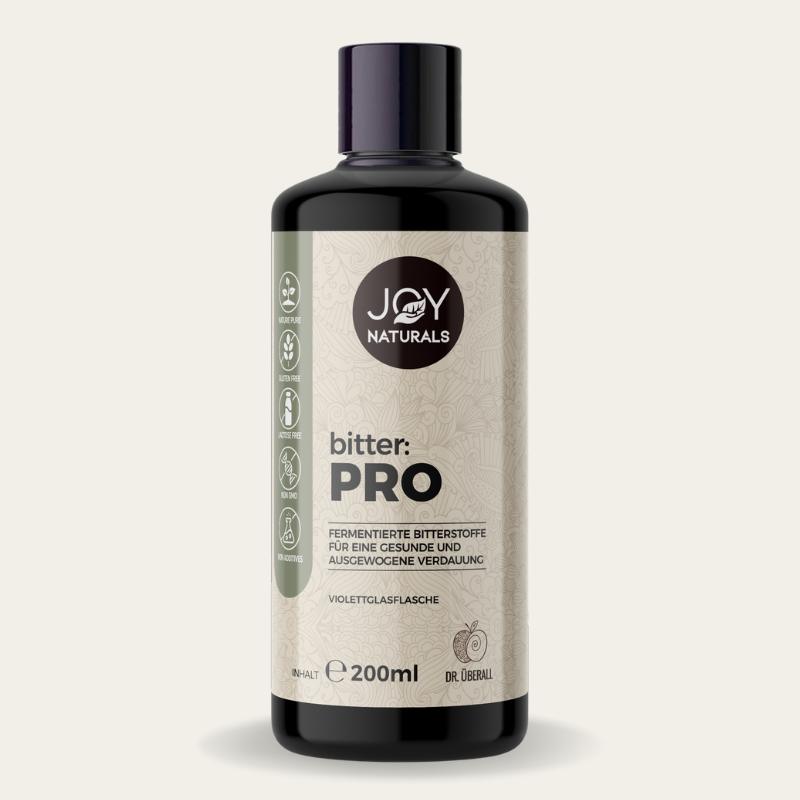

The first drop is unusual, perhaps even a little challenging - and that is precisely where its character lies. Why use bitter substances before meals? Because a bitter taste can prepare the body for food and turn a rushed meal into a more mindful ritual. For many people, this is a simple, natural addition when the stomach often feels heavy after a hearty meal or when digestion deserves more attention in everyday life.
Why use bitter substances before meals?
Bitter substances are secondary plant compounds found in herbs, roots, leaves, and peels. In the past, they were a natural part of the menu: chicory, endive, radicchio, dandelion, artichoke, or gentian brought bitterness to the plate. Today, very sweet, highly processed, or mild foods often dominate. In doing so, a taste that our body has known forever is also disappearing.
If we take bitter substances shortly before a meal, the bitter stimulus first hits the taste receptors in the mouth. This can stimulate saliva production and signal to the digestive system: food is coming. Through neural reflexes, digestive processes are prepared. Some people therefore experience a more pleasant feeling after eating, especially with hearty meals.
The right expectation is important: bitter substances are not a remedy that solves every digestive discomfort, and they replace neither a balanced diet nor medical clarification in the event of persistent symptoms. However, they can support a mindful routine - natural, focused, and pleasantly uncomplicated.
The right timing makes the difference
Bitter substances are traditionally used about 10 to 15 minutes before eating. This small gap gives the bitter stimulus time before the meal begins. This can be particularly useful before lunch or dinner, when everyday life is otherwise fast, sedentary, and dictated by the clock.
If you take bitter drops after eating, you can still enjoy them as an aromatic ritual. The preparatory effect before the meal is then less central. So it is not about strict rules, but about the moment that suits your goal.
For a very sensitive stomach, it may be useful to start with a smaller amount or to take bitter substances with a small meal instead of on an empty stomach. Listen to your body. A ritual should feel supportive, not add an extra burden.
Bitterness as a starting signal for more mindful eating
The benefits do not begin only in the digestive tract. A distinctly bitter taste also interrupts the autopilot. You take a moment for yourself, take a deep breath, and sit down to eat more consciously. It may sound small, but it can change a lot in everyday life.
Those who start more slowly often eat more mindfully and better notice when hunger, enjoyment, and satiety arrive. Bitter substances are not a shortcut to weight loss and no substitute for a meal tailored to your needs. However, they can help you perceive your own eating routine more clearly - especially when snacks, screens, and time pressure otherwise set the pace.
Which plants provide bitter substances?
The world of bitter plants is astonishingly diverse. Artichoke is traditionally appreciated around hearty dishes. Dandelion and mugwort bring a herbal, distinctive note. Gentian is one of the intensely bitter classics, while wormwood tastes particularly strong and is therefore used with care.
Foods can also enrich your daily intake of bitter substances. Radicchio in a salad, arugula in a bowl, oven-roasted chicory, or grapefruit zest over a dish create taste contrasts. The advantage of herbal extracts in drop form lies above all in their suitability for everyday life: the dosage is simple, the bitterness concentrated, and the ritual requires hardly any preparation.
With plant-based bitter mixtures, pay attention to traceable ingredients and a clear declaration. Organic quality, the avoidance of unnecessary additives, and carefully selected plants are particularly relevant when you use a product regularly. At JOY NATURALS, pure plant substances, transparent formulations, and everyday-suitable health routines are the focus.
How to integrate bitter substances into your everyday life
The best routine is the one you actually maintain. Place your bitter drops where you see them before eating - for example next to your water glass or with your lunch at the office. A few drops pure on the tongue are the classic way. If the taste is too intense for you at first, put them in a little water and drink them consciously before the meal.
Start with the smaller amount recommended on the product. Bitterness is not a competition. Over time, many people get used to the taste and even appreciate it as a clear counterpoint to sweet or very salty foods.
The routine is particularly harmonious before meals that are a little heartier: before Sunday dinner, a restaurant visit, or dinner after a long day at work. If you already have little appetite, eat very irregularly, or are planning a light meal, you do not necessarily need to use bitter substances. Health is not created through perfection, but through routines that suit your life.
Combine with nutrition instead of compensating
Bitter substances unfold their place best as part of a larger whole. A meal with vegetables, high-quality proteins, fiber, and good fats creates the foundation for long-lasting energy and satiety. Drinking enough, eating in peace, and incorporating movement into the day support your well-being at least as much.
If you take bitter substances before eating to "balance out" very large or very fatty meals afterwards, it is worth taking a closer look at the habit. Enjoyable exceptions are part of a relaxed life. However, frequent feelings of fullness, heartburn, or pain should not simply be covered up with drops.
When is caution warranted?
Plant-based does not automatically mean suitable for everyone. In the case of known diseases of the stomach, gallbladder, liver, or pancreas, as well as gallstones and recurring heartburn, you should seek medical advice before using bitter-containing preparations. This also applies during pregnancy and breastfeeding, as well as when taking medication.
Some bitter plants are very intense or can have interactions. That is why the composition counts: Read the consumption recommendation, do not increase the amount on your own, and do not choose a random mixture of many herbs. In the case of severe, newly occurring, or long-lasting discomfort, medical clarification is the safe and sensible way.
You can also be honest with yourself about taste. If bitter drops continually repel you, bitter vegetables and herbs in the kitchen are a good alternative. Health should feel good in the long term - not like a daily struggle.
A small ritual with a big effect on mindfulness
Using bitter substances before meals does not mean optimizing every meal. It means giving yourself a mindful moment before the first bite. A drop, a sip of water, a deep breath - and then a meal that nourishes you, satisfies you, and does you good. Exactly such simple rituals turn good nutrition into a practice that also finds its place on busy days.