
Why Heat Strains the Body More Than Many Think

Your body has a sophisticated cooling system. As soon as outdoor temperatures rise, it dilates blood vessels and begins to sweat to keep body temperature constant.
This works perfectly – but costs resources.
Dilating the blood vessels often causes blood pressure to drop slightly. At the same time, you lose not only fluid through sweat, but also important minerals.
The result can be:
- Fatigue
- Dizziness
- Difficulty concentrating
- Circulation problems
- Headaches
- Muscle cramps
- Reduced performance
Many of these symptoms are dismissed as normal summer occurrences, although they often indicate an increased need for fluid and minerals.
Summer Fatigue: When the Heat Makes You Tired
In recent years, the term “Summer Fatigue” has been appearing more and more frequently. It refers to the typical summer fatigue that many people experience during prolonged periods of heat.
Typical signs are:
✔ You feel exhausted despite enough sleep.
✔ Your concentration declines more quickly.
✔ It is harder to get going in the morning.
✔ Sports or physical activities feel more strenuous than usual.
✔ Your circulation reacts more sensitively.
The cause is often not an energy deficiency, but rather that the body has to work significantly harder to cool itself.
Sweating: Good for Cooling, Demanding for the Mineral Balance
Although sweat consists mainly of water, it also contains important electrolytes and minerals.
These include above all:
- Sodium
- Potassium
- Magnesium
- Calcium
- Chloride
Depending on temperature, activity, and individual predisposition, several liters of sweat can be lost daily.
Those who do not sufficiently compensate for these losses often first notice it in their energy level.
Magnesium: The Classic for Muscles, Nerves, and Energy
When minerals are mentioned, most people think of magnesium first – and for good reason.
Magnesium is involved in hundreds of metabolic processes and supports, among others:
- normal muscle function
- the function of the nervous system
- energy metabolism
- electrolyte balance
- normal psychological function
Especially in summer, the requirement often increases, as magnesium is lost through sweat.
Typical signs of insufficient supply can be:
- Muscle twitching
- Calf cramps
- Increased fatigue
- Nervousness
- Reduced resilience
Magnesium-rich foods include:
- Pumpkin seeds
- Almonds
- Cashews
- Oatmeal
- Legumes
Potassium: The Underrated Circulation Helper
While magnesium receives a lot of attention, potassium is often forgotten.
Potassium plays an important role for:
- the normal function of muscles and nerves
- fluid balance
- heart function
- blood pressure regulation
Especially during heavy sweating, potassium can be lost.
Good potassium sources are:
- Potatoes
- Bananas
- Apricots
- Avocados
- Spinach
- Legumes
Adequate potassium intake can help optimally support the body during hot days.
Salt Is Not Automatically the Villain in Summer
Salt often has a bad reputation. In fact, however, your body loses mainly sodium when sweating – the main component of table salt.
Those who sweat a lot and drink only large amounts of water at the same time can further dilute their electrolyte balance.
This can become noticeable through:
- Dizziness
- Headaches
- Weakness
- Circulation problems
That is why many athletes and physically active people consciously make sure to consume enough electrolytes in addition to water in summer.
Of course, the rule still applies: The right amount makes the difference.
Calcium: Important Not Only for Bones
Calcium is often exclusively associated with bones and teeth.
However, it performs numerous other tasks in the body:
- Support of muscle function
- Signal transmission between nerve cells
- Normal heart function
- Involvement in blood clotting
Calcium is also lost through sweat and is therefore one of the minerals that deserves special attention during hot summer months.
Are You Drinking Enough – or Just Enough Water?
An interesting question is:
Are you drinking enough, or are you just drinking a lot of water?
Because the two are not necessarily the same.
Those who only pay attention to the amount of fluid often forget the minerals that are lost along with the fluid.
Therefore, it can be useful not only to increase water intake, but also to pay attention to a mineral-rich diet at the same time.
8 Practical Tips Against Summer Fatigue
1. Drink Regularly Throughout the Day
On hot days, your body continuously loses fluid – often unnoticed. Therefore, do not wait until you feel thirsty. Thirst is already a signal that your body needs water.
It is ideal to drink smaller amounts regularly instead of large amounts at once. This allows the body to absorb and utilize the fluid better.
Particularly suitable are:
- Water
- Mineral water
- Unsweetened herbal or fruit teas
- Water with lemon, cucumber, or mint pieces
A practical tip: Prepare a large carafe or drinking bottle in the morning and place it visibly on your desk or dining table. This will automatically remind you to drink more often.
2. Start the Day with Mineral-Rich Foods
Especially in summer, a heavy breakfast is difficult for many people. Nevertheless, your body needs new energy, fluid, protein, and important micronutrients after the night.
A balanced breakfast can help keep blood sugar levels stable and prevent cravings and energy dips during the day.
Particularly suitable are:
- Protein-rich porridges
- Nuts and seeds
- Berries
- Plant-based protein sources
- Mineral-rich ingredients
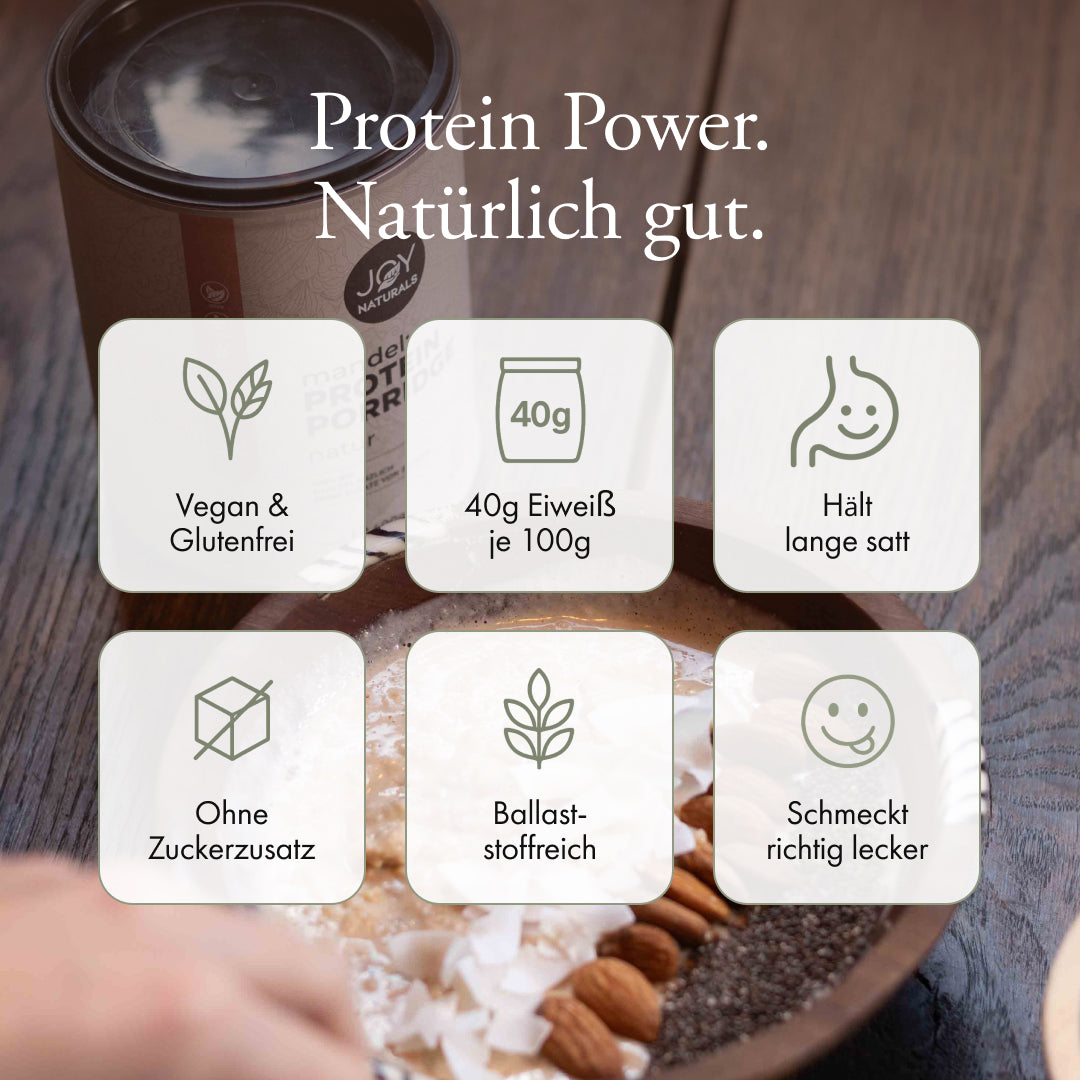
An almond-protein porridge with fresh berries, for example, provides protein, fiber, and valuable minerals while being pleasantly light. Those who want to additionally support their mineral supply can specifically supplement breakfast with selected mineral complexes.
3. Focus on Water-Rich Vegetables and Fruit
Not only beverages contribute to fluid supply. Many fruits and vegetables also consist of over 90 percent water and help optimally supply the body on hot days.
Particularly recommended are:
- Cucumbers
- Watermelons
- Honeydew melons
- Strawberries
- Blueberries
- Tomatoes
- Zucchini
- Leafy salads
The additional advantage: These foods provide vitamins, secondary plant compounds, and minerals in addition to fluid. A colorful summer salad or a bowl of fresh berries is therefore far more than just a light snack.
4. Schedule Sports for the Morning Hours
Physical activity remains important in summer. However, the strain on the cardiovascular system and temperature regulation increases significantly at high temperatures.
The most pleasant conditions are usually:
- early in the morning
- late in the evening
- in shaded areas
Those who schedule intensive training sessions for lunchtime often strain their bodies unnecessarily. Endurance training in particular can be significantly more strenuous in intense heat than usual.
Even a brisk walk, a yoga session, or a leisurely bike ride in the morning can help activate the circulation while avoiding overexertion.
5. Incorporate Magnesium-Rich Foods
Magnesium is one of the most important minerals for muscles, nerves, and energy metabolism. Since magnesium is regularly lost through sweat, it is particularly worth paying attention to an adequate supply in summer.
Good magnesium sources are:
- Pumpkin seeds
- Almonds
- Cashews
- Sunflower seeds
- Oatmeal
- Millet
- Whole grain products
- Legumes
Even a small portion of nuts or seeds as a topping on breakfast can make a valuable contribution to the daily magnesium intake.
6. Also Think About Potassium
Potassium is a true circulation mineral and plays an important role in regulating fluid balance as well as the normal function of muscles and nerves.
Especially during heavy sweating, the requirement can increase.
Potassium-rich foods are:
- Potatoes
- Sweet potatoes
- Avocados
- Bananas
- Apricots
- Spinach
- Beans
- Lentils
- Almonds
A varied diet with plenty of fruit and vegetables usually provides good amounts of this important mineral.
7. Don't rely on coffee alone
Many people reflexively reach for an extra cup of coffee when they feel summer fatigue. This can temporarily mask the feeling of tiredness.
However, this often does not address the underlying cause.
If your body lacks fluids or minerals, caffeine cannot compensate for this deficiency. On the contrary: relying solely on coffee all day and drinking too little water often exacerbates the situation.
Therefore:
- Enjoy coffee mindfully
- drink enough at the same time
- ensure a good supply of minerals
Energy levels often improve significantly when fluid and electrolyte balance is restored.
8. Plan regular periods of rest
High temperatures put stress on the body. Your body is constantly working to regulate body temperature and release excess heat.
This takes energy.
Therefore, it is completely normal to tire more quickly than usual on hot days.
Helpful are:
- regular breaks in the shade
- short rest periods
- sufficient sleep
- cooler rooms during the midday hours
- mindful moments of relaxation
Allowing your body sufficient regeneration not only supports your circulation but often also concentration, performance, and overall well-being during the summer months.
Why your breakfast can make a difference in summer

Especially in hot weather, many people have less of an appetite for heavy meals in the morning. At the same time, your body needs fluids, protein, and important micronutrients after the night to start the day optimally.
A mineral-rich almond protein porridge can be an ideal base for this. It provides high-quality plant-based protein, ensures pleasant satiety, and can be customized individually.
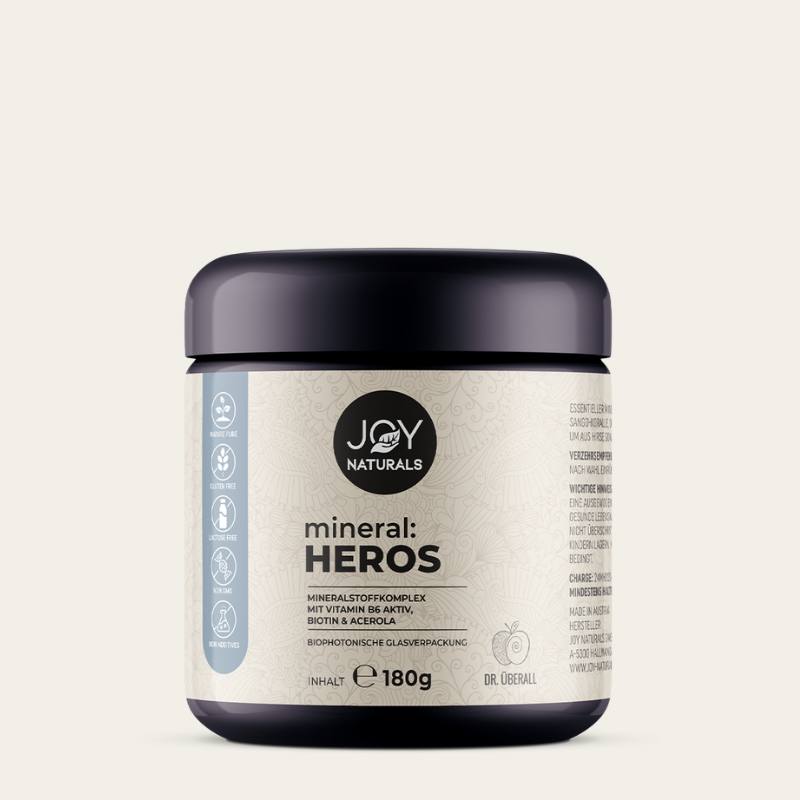
Those who want to additionally support their daily mineral supply can, for example, enrich their porridge with mineral:HEROS Powder Complex.
The combination of Sango coral calcium, silicon from millet concentrate, organic acerola fruit extract, as well as zinc, copper, selenium, vitamin B6, and biotin supplements a balanced diet with selected minerals and trace elements.
Especially during the summer months, when more minerals can be lost through sweating, many people pay particular attention to a good supply. One scoop in the morning porridge can be easily integrated into the daily routine.
Often it is not calories that are missing, but minerals
If you feel tired, listless, or weak in the summer, it does not necessarily mean there is an energy deficiency.
Heat, sweating, and fluid loss place special demands on the body. At the same time, the demand for minerals and electrolytes increases, which play an important role in energy, muscle function, nerves, and circulation.
Those who drink enough, pay attention to a mineral-rich diet, and consciously support their body at high temperatures create the best conditions to enjoy the summer fit, active, and full of energy.