
Coffee for breakfast, a multivitamin complex in between, magnesium in the evening—and yet the question remains: Are you really getting what your body needs? Combining micronutrients effectively doesn’t mean taking as many capsules or powders as possible at once. It’s about using nutrients in a way that suits your meals, lifestyle, and individual needs.
Vitamins, minerals, and trace elements rarely work alone in the body. Some help each other with absorption or metabolic function. Others compete with one another. Those who understand these interactions can get more out of their daily routine: less complicated, better coordinated, and beneficial in the long term for energy, the immune system, muscles, skin, and inner balance.
Why the interaction of micronutrients matters
Micronutrients do not provide calories, but they are involved in countless processes. For example, they support energy metabolism, the normal function of the nervous system, blood formation, or the protection of cells against oxidative stress. It’s not just a question of which nutrient is in the product, but also the dosage, its combination with other nutrients, and the time of day it is taken.
A practical example: Fat-soluble vitamins such as vitamin D are better absorbed if you take them with a meal containing some fat—for example, breakfast with nuts, seeds, avocado, or a spoonful of pure oil. Vitamin C, on the other hand, can support the absorption of plant-based iron. A glass of orange juice is not essential for this: bell peppers, berries, kiwi, or a fresh lemon dressing serve the same purpose.
This does not mean that every meal has to be perfectly calculated. A good foundation remains a varied, plant-rich diet with high-quality proteins, healthy fats, and as few highly processed foods as possible. Supplements can provide targeted support when diet, life stage, or daily life suggest an increased need.
Combining micronutrients effectively: These pairs complement each other
Vitamin D and vitamin K
Vitamin D contributes to the normal absorption and utilization of calcium and supports, among other things, bones, muscle function, and the immune system. Vitamin K is also involved in maintaining normal bone health. That is why the two nutrients are often considered together.
It is important to take an individual approach: Anyone taking anticoagulant medication should not use vitamin K supplements without consulting a doctor or pharmacist. The same applies to vitamin D: a high dose is not automatically better. A blood test can help determine whether long-term supplementation makes sense.
Iron and vitamin C
Iron is important for the normal formation of red blood cells and the transport of oxygen. Especially with a vegetarian or vegan diet, people often pay attention to plant-based sources of iron—for example, legumes, oats, pumpkin seeds, or sesame. Vitamin C improves the absorption of non-heme iron, which is iron from plant-based foods.
Combine a lentil curry with bell peppers, add berries to your porridge, or drink a glass of water with lemon juice with an iron-rich meal. If you have been diagnosed with an iron deficiency, the dosage of a supplement should be determined by a professional. Too much iron can put a strain on the body and should not be taken as a precaution.
Magnesium and vitamin B6
Magnesium is particularly popular among active people because it contributes to normal muscle function, energy metabolism, and the reduction of tiredness and fatigue. Vitamin B6, among other things, contributes to normal protein and glycogen metabolism. The combination is therefore often found in routines focused on exercise, recovery, and demanding periods.
Taking magnesium in the evening can fit well into the daily routine of many people. Whether it is actually better tolerated at this time varies from person to person. Some people react to certain magnesium compounds with a sensitive stomach. In such cases, it may be worth splitting the dose or taking the supplement with a meal.
Folate and vitamin B12
Folate and vitamin B12 are both involved in normal blood formation. Especially with a vegan diet, vitamin B12 is a key nutrient because it is hardly found in usable forms in plant-based foods. A high-quality B12 supplement is not a lifestyle choice here, but a sensible preventive measure.
Folate is abundant in green leafy vegetables, legumes, and whole grains. Anyone with an increased need—for example, during pregnancy or when trying to conceive—should have their supply medically assessed. In this sensitive phase of life, dietary supplements are no substitute for professional advice.
When it is better to keep your distance
Not every combination is problematic, but it is worth leaving some minerals apart at different times. Calcium, iron, zinc, and magnesium can influence each other’s absorption at higher doses. This is especially relevant if you take individual supplements specifically rather than just small amounts through a combination complex.
In practice, this could look like this: An iron supplement in the morning or between meals with vitamin C, magnesium in the evening, and a calcium-rich food at a different meal. Coffee, black tea, and green tea can also reduce the absorption of iron from meals or supplements. Ideally, leave a gap of one to two hours around the time you take iron.
Zinc also deserves attention. In the short term, targeted supplementation may be possible in certain situations, but a continuously high intake of zinc can affect copper levels. This is why a clear, laboratory-tested formulation and a traceable intake plan are more valuable than combining products randomly.
The best time to take it depends on your daily life
There is no perfect time. Consistency beats perfection. A supplement that is well tolerated and that you take regularly will benefit you more than an elaborate routine that disappears after three days.
Fat-soluble vitamins pair well with a meal containing fat. Water-soluble vitamins such as vitamin C or many B vitamins can usually be taken flexibly, provided your stomach tolerates them well. Depending on the product and dosage, minerals may be better tolerated with a meal. Read the recommended intake and honestly observe how your body reacts.
For many, a simple rhythm works: a nutrient-rich breakfast as a foundation, targeted supplements with a main meal, and an evening ritual for recovery. A protein porridge with seeds, nuts, and berries can not only fill you up but also provide natural sources of magnesium, zinc, folate, and secondary plant compounds. This makes nutrition the foundation, not an afterthought.
Quality over the number of products
A bathroom cabinet overflowing with products is not a sign of good nutrient supply. Instead, pay attention to transparent ingredient lists, sensible dosages, and products without unnecessary fillers, artificial flavors, or sweeteners. Especially with plant extracts and micronutrient complexes, raw material quality, purity, and careful manufacturing make a difference.
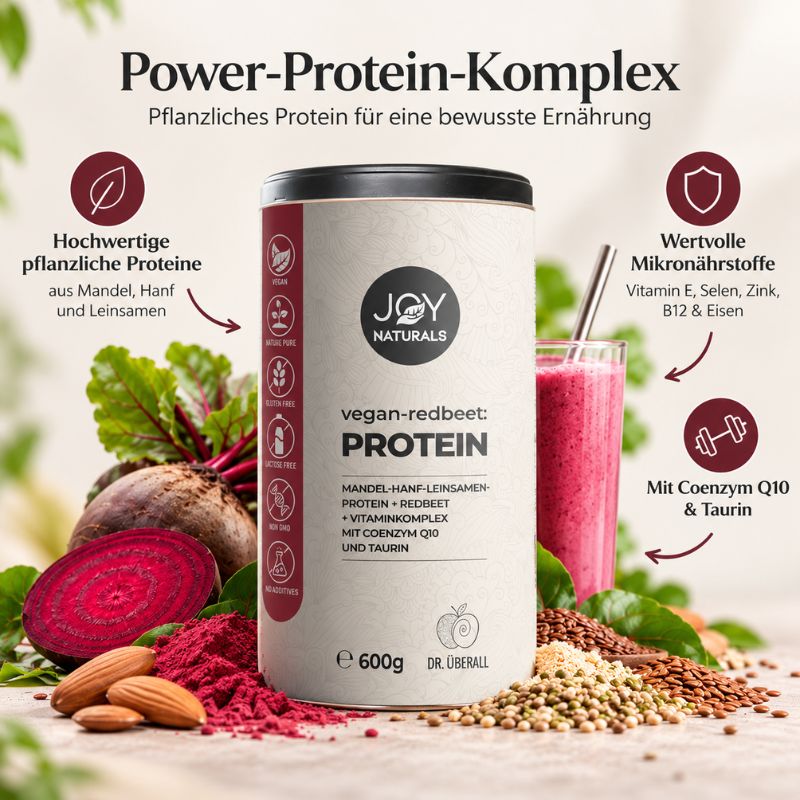
At JOY NATURALS, deliberately developed, high-quality formulations and production in a certified Salzburg-based manufactory meet this standard. Nevertheless, even a high-quality product should suit your goal. Do you want to supplement your diet during an intensive training phase, support yourself during a demanding season, or reliably safeguard a plant-based lifestyle? The clearer your reason, the more targeted your selection will be.
If you regularly take medication, are pregnant, are breastfeeding, have a medical condition, or have abnormal lab results, please consult a doctor or pharmacist about supplements. This applies especially to vitamin D, iron, iodine, vitamin K, and high-dose minerals. Self-care also means taking your own limits seriously.
A routine that suits you
Do not start with five new products at once. Choose a foundation that suits your diet, and then supplement specifically. Give your body a few weeks instead of looking for an immediately noticeable effect every day. For many micronutrients, the goal is reliable support in the background—quiet, continuous, and well integrated.
Your diet can remain enjoyable: a creamy breakfast, a colorful bowl, a warm dinner, and small rituals that are easy to repeat. Those who combine micronutrients consciously do not turn nutrition into a complicated task, but into a daily decision for more well-being, energy, and inner balance.