
A salad without oil, a breakfast without nuts, vegetables always steamed? This can work, but it means missing out on enjoyment and valuable nutrients. Healthy fats are not on the cut list, but should be consciously included in your daily life. They make meals more flavorful, help you feel full, and help your body absorb fat-soluble vitamins such as A, D, E, and K.
The key is not to avoid fat as much as possible. What matters is its quality, the quantity, and the place it takes in your daily diet. With a few simple routines, fat becomes no longer a complicated nutrition topic, but a natural part of your balance.
Why healthy fats are so valuable
Fat is an essential macronutrient. Your body needs it, among other things, as a component of cell membranes, for the formation of certain messengers, and as an energy reserve. Particularly practical in everyday life: A meal with high-quality fat sources often keeps you full longer. This can help you not to reach for quick snacks again shortly after eating.
Fats also carry flavor. A splash of good oil over roasted vegetables, creamy tahini in a dressing, or a few roasted nuts in porridge turn simple ingredients into a dish you look forward to. That is exactly the kind of diet that works in the long term: nutrient-rich, uncomplicated, and enjoyable.
Keep in mind: Fat provides around nine kilocalories per gram more energy than protein or carbohydrates. Therefore, those who want to change their weight do not have to eat fat-free, but should choose the quantities consciously. A generous splash of oil can quickly add up, while a carefully used teaspoon already brings a lot of flavor and nutritional value.
Recognizing healthy fats: It all comes down to the fatty acids
Not every fat works the same in the body. For a balanced diet, unsaturated fatty acids play a central role above all. They are found predominantly in plant-based foods and can sensibly replace saturated fats from highly processed products or large quantities of animal-based foods.
Monounsaturated fatty acids for everyday life
Olives, avocado, almonds, hazelnuts, and high-quality olive oil provide monounsaturated fatty acids. They fit wonderfully into the daily kitchen because they are versatile: as a base for dressings, in bowls, with whole-grain bread, or as a topping for soups.
Olive oil is particularly popular because, in addition to its fatty acid profile, it also contains natural plant compounds. Use cold-pressed oil where its flavor can shine - for example, over cooked vegetables, in dips, or for a quick lemon-herb vinaigrette.
Omega-3 and Omega-6: Balance is what counts
Polyunsaturated fatty acids include omega-3 and omega-6 fatty acids. Both are essential, meaning they must be taken in through the diet. Omega-6 is usually sufficiently present in our diet, for example through sunflower oil, processed foods, and many seeds. Omega-3 often deserves more attention.
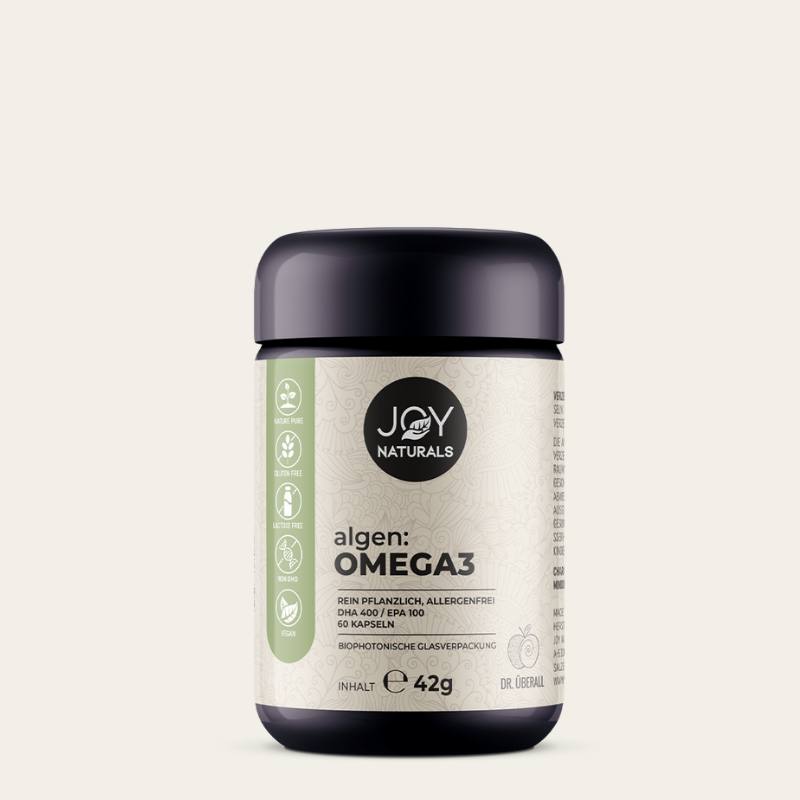
Plant-based omega-3 sources provide above all alpha-linolenic acid. Good examples are ground flaxseeds, chia seeds, walnuts, and linseed oil. Those who do not eat fish or follow a vegan diet can also consider whether an algae oil with the omega-3 fatty acids DHA and EPA fits into their personal routine. This depends on the individual diet, life phase, and consultation situation.
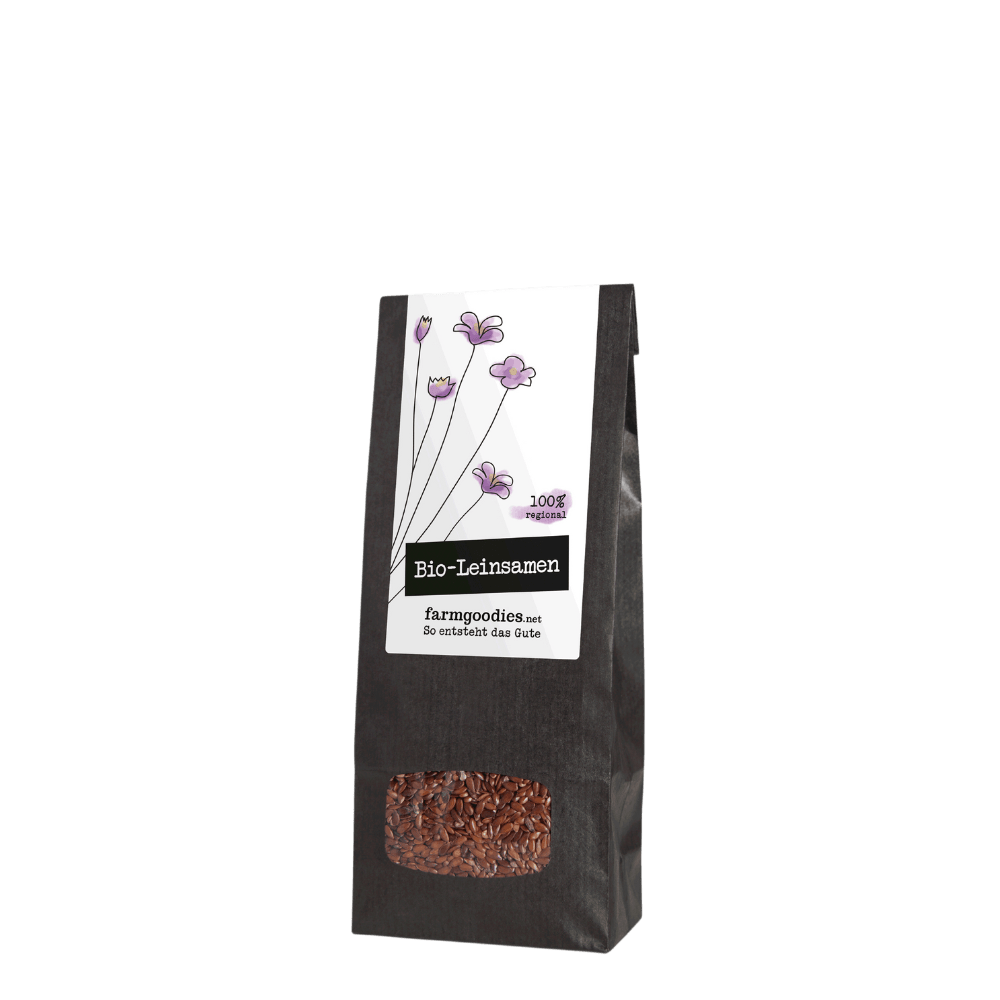
A simple lever: Sprinkle one tablespoon of freshly ground flaxseed into your porridge, yogurt, or smoothie every day. Whole flaxseeds, on the other hand, often pass through the digestive tract largely unused. Linseed oil tastes finely nutty in cold dishes, but should not be heated strongly.
Looking at saturated fats and trans fats with nuance
Saturated fatty acids can be found in butter, cheese, sausage, fatty meat, coconut fat, and palm fat. They are not fundamentally forbidden. Their quantity and the overall dietary pattern make the difference. If they regularly make up the majority of your fat intake, it is worth reaching for nuts, seeds, legumes, avocado, and plant-based oils more often.
Industrial trans fats should be on the menu as rarely as possible. They can be found in highly processed baked goods, fried foods, or snacks. A look at the ingredients list helps: terms like "hydrogenated fats" or "partially hydrogenated oils" are a clear signal to look closer.
How much fat does your daily life need?
A blanket gram amount does not fit everyone. Energy requirements, level of activity, feeling of fullness, health goals, and the rest of the diet all play a role. For a sporty active person with higher calorie requirements, the quantities look different than for someone who sits mostly and wants to lose weight.
Instead of weighing everything, the hand-measure method works well: A small handful of nuts or seeds, one to two tablespoons of oil spread throughout the day, and regular avocado, olives, or nut butter are a harmonious framework for many people. Observe how full and energized you feel. With a very low-fat diet, meals can quickly be less satisfying. With very high-fat dishes, there is sometimes no room for fiber, protein, and vegetables.
Simply integrating healthy fats into every meal
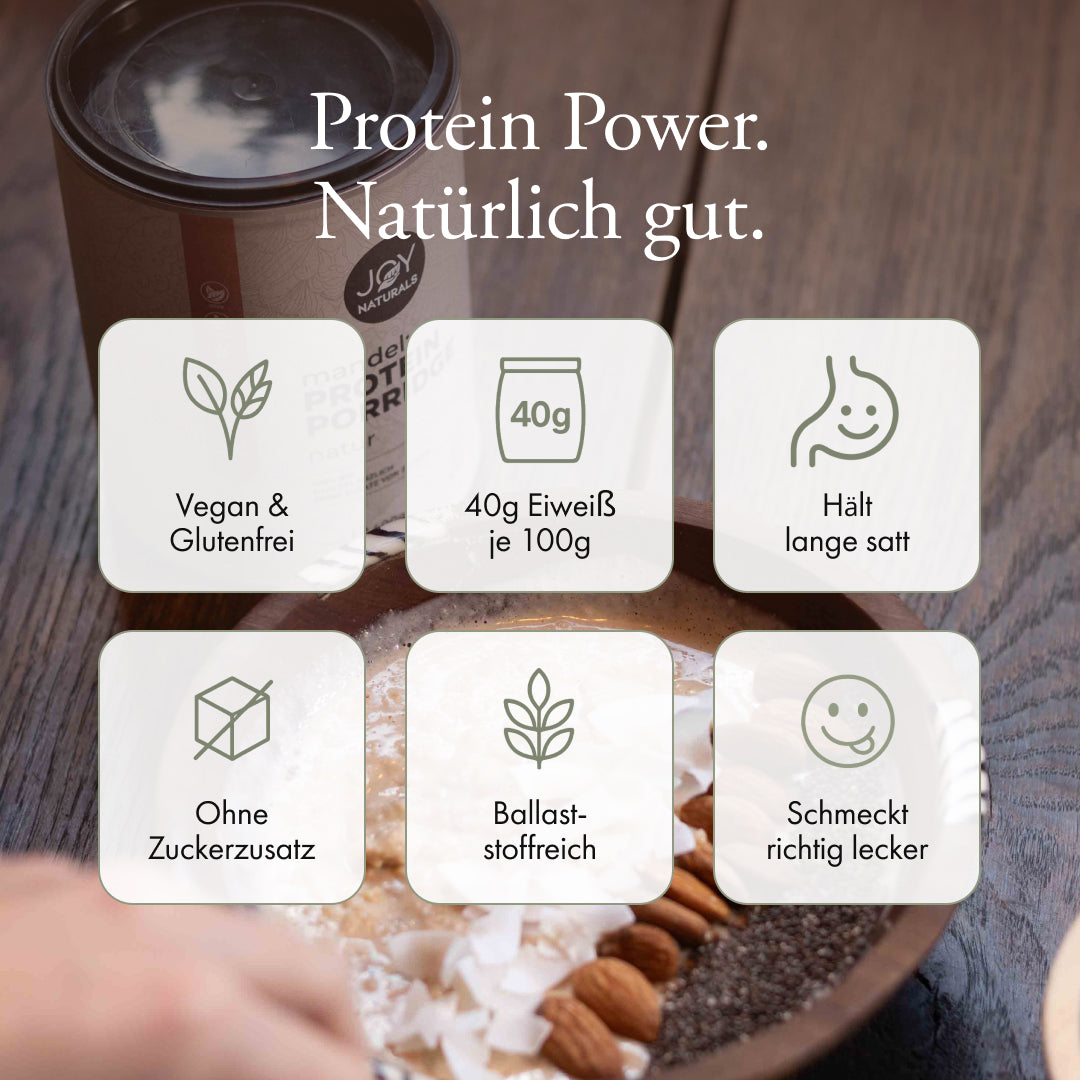
You do not need elaborate recipes to eat high-quality fats regularly. At breakfast, nut butter, walnuts, chia seeds, or ground flaxseed give a protein-rich porridge more satiety and a pleasant creaminess. It is particularly practical to keep seeds in a well-sealed jar within easy reach.
At lunch and in the evening, a conscious upgrade is often enough. Combine a vegetable bowl with chickpeas, whole-grain rice, tahini dressing, and pumpkin seeds. Or add a spoonful of olive oil and a few chopped nuts to a lentil soup. This way, you combine plant-based protein, complex carbohydrates, fiber, and good fats in one meal.
Snack moments can also be designed sensibly. An apple with almond butter, plain yogurt, or a plant-based alternative with berries and seeds, plus a small portion of nuts: These are satisfying combinations that do not just rely on quick sweetness. However, nuts are concentrated energy providers. One handful is usually just right - not the whole package in front of the screen.
At JOY NATURALS, pure oils, seeds, and nuts fit particularly well with such small health rituals. Choose products with clear origin, good quality, and as short an ingredients list as possible. Especially with foods you use daily, this decision makes a noticeable difference.
Choosing, heating, and storing oil correctly
Not every oil is made for every application. It is best to store cold-pressed linseed oil cool and protected from light, and use it for cold dishes. Extra virgin olive oil is suitable for cold cuisine and moderate heating. For higher temperatures, more heat-stable fats like coconut oil, ghee, or refined oils, for example olive or rapeseed oil, are suitable.
Pay attention to a fresh, pleasant smell and taste. If an oil smells pungent, old, or reminiscent of paint, it may be oxidized and should no longer be used. Dark bottles, a cool storage place, and quick consumption protect sensitive fatty acids. Nuts and seeds also stay fresh longer if you store them airtight, cool, and protected from light.
When individual advice is useful
For certain metabolic diseases, digestive complaints, liver or gallbladder diseases, as well as during pregnancy and breastfeeding, individual recommendations can be useful. This also applies if you want to use omega-3 supplements or take medications that affect blood clotting.
For most people, however, a good change begins very down-to-earth: Replace some highly processed snacks with nuts, add seeds daily, and use oils according to their purpose. Small decisions, repeated regularly, give your diet more nutrient density, flavor, and inner balance.
You do not have to fear fat. Consciously give high-quality sources a place on your plate - this way, healthy eating becomes something that satisfies you, strengthens you, and also really tastes good.