
Why You Should Eat Fiber Every Day – and How to Meet 50% of Your Daily Requirement in the Morning
Fiber is the underestimated key to your health – yet most people eat far too little of it. Find out here why fiber is so important, what the consequences of a deficiency can be, and how you can easily start your day with simple recipes.
What Is Fiber – and Why Does Your Body Need It?
Fiber is indigestible plant fiber that keeps your bowel movements healthy and makes you feel full in the long term. It…
… promotes healthy digestion
… strengthens your gut flora (microbiome)
… keeps your blood sugar stable
… prevents cravings
… lowers the risk of diabetes, heart disease & bowel cancer
The Facts: How Much Fiber Do You Really Need?
The German Nutrition Society (DGE) recommends:
At least 30 g of fiber per day
But statistics show a different reality:
Over 80 % of people do not meet the recommendation!!!
Why Do We Eat Too Little Fiber?
- Too much white flour, sugar & processed foods
- Too few vegetables, legumes & whole grains
- Little time for fresh meals
- Lack of awareness about a high-fiber diet
What Happens When You Eat Too Little Fiber?
Consistently low fiber intake often goes unnoticed for a long time – but the consequences show themselves gradually and systemically. Fiber is not just a "filler," as the name might suggest. It fulfills key functions in metabolism, the digestive system, and the immune system. If the recommended daily amount is not met, it can have a wide range of negative effects over time:
1. Impaired Digestion & Bowel Function
Fiber promotes bowel peristalsis – that is, the natural movement of the bowel – and ensures smooth, regular bowel movements. When it is lacking, the following occur more frequently:
-
Constipation, bloating, or sluggish bowel movements
-
Irritable bowel symptoms such as irregular bowel movements, pressure, and discomfort
-
Hemorrhoids or diverticula, as hard stools mechanically stress the bowel
2. Increased Risk of Chronic Diseases
Epidemiological studies show: People with a high-fiber diet have a significantly lower risk of so-called lifestyle diseases such as:
-
Type 2 diabetes (due to more stable blood sugar levels)
-
Cardiovascular diseases (by lowering LDL cholesterol)
-
Bowel cancer (due to faster transit time and the binding of potentially harmful substances in the stool)
Fiber also contributes to body weight regulation – a key factor in preventing these diseases.
3. Impaired Gut Flora & Immune System
Certain fibers act prebiotically, meaning they serve as food for the "good" gut bacteria (e.g., bifidobacteria). If these nutrients are missing for an extended period, the composition of the microbiome can change – in favor of pro-inflammatory or harmful germs.
The consequence:
-
Weakened intestinal barrier
-
Higher inflammation levels in the body
-
Impaired immune function
-
Increased susceptibility to infections or inflammatory diseases
4. Constant Hunger & Energy Slumps
Fiber slows down gastric emptying and extends the feeling of fullness. With a low-fiber diet, blood sugar levels rise sharply after eating – and fall just as quickly. This leads to:
-
Cravings
-
Sugar or snack cravings
-
Fluctuations in energy levels and concentration slumps
In the long term, this can not only lead to obesity but also impair mood and mental performance.
How to Bring Your Fiber Intake Back into Balance
The good news is: A fiber deficiency can not only be avoided but also specifically compensated – and without radical dietary changes. What matters most is the quality of your daily meals, especially at the beginning of the day.
Because those who start the day with high-fiber components lay the foundation for stable digestion, longer satiety, and fewer cravings throughout the day. In addition: Fiber is found in many natural foods – you just have to know where.
Top 5 High-Fiber Foods:
- Whole grains
- Legumes (lentils, beans, chickpeas)
- Fruit with skin (apples, berries, pears)
- Vegetables (broccoli, carrots, kale)
- Sunflower seeds, chia seeds & flaxseeds
Incorporating these foods into your meals is the first step.
But what if you have little time in the morning – but still want to start the day with plenty of fiber?
Then the next solution might be just right for you…
Tip: Combine different fiber sources – this optimally supports your digestion.
How Easy It Can Be to Start the Day with Plenty of Fiber – in Just 1 Minute
Many people believe that a high-fiber diet is complicated or time-consuming. Chopping fresh vegetables, pre-cooking legumes, combining whole grains correctly… Sure, that can all help – but there is also an easier way.
Especially in the morning, time is often lacking. Yet this is exactly the perfect moment to start the day with a good portion of fiber – and thus lay the foundation early on for stable digestion, a long-lasting feeling of fullness, and fewer cravings.
Here comes a simple solution:
A warm, creamy porridge that is prepared in just 60 seconds – and provides half of your daily fiber requirement in just one serving.
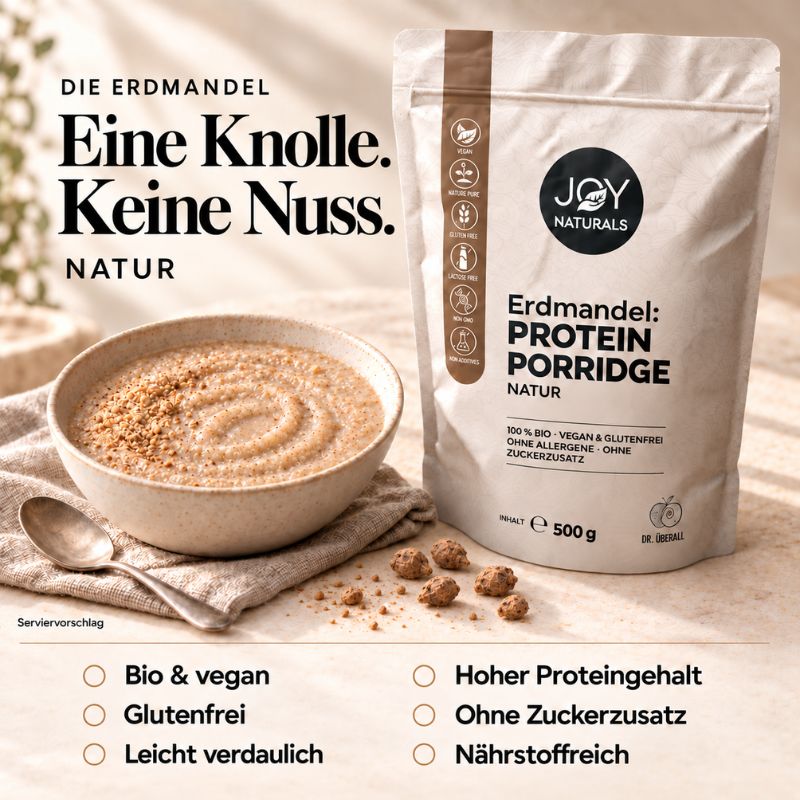
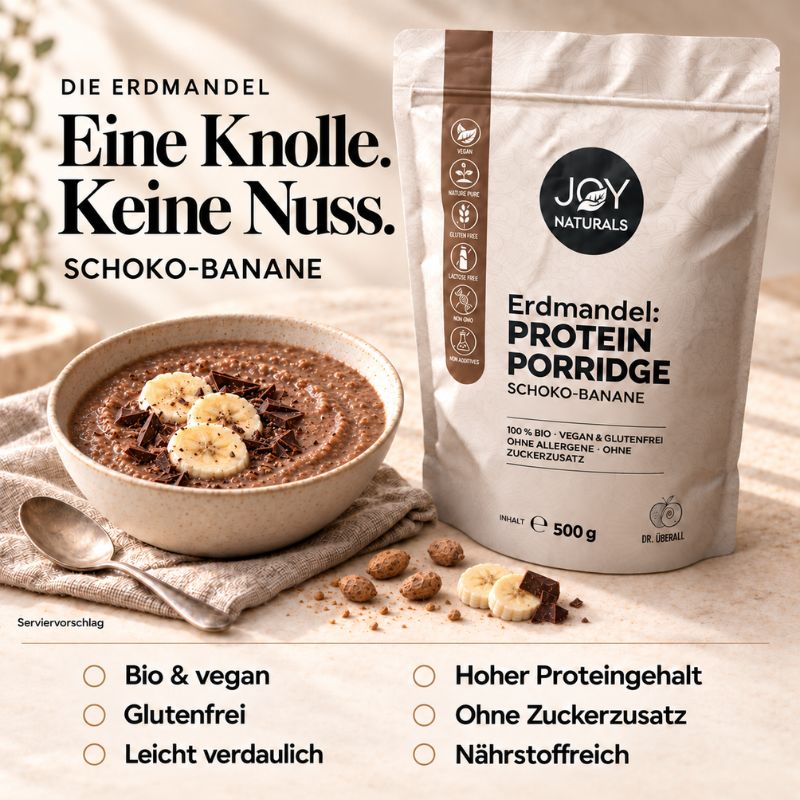
Our Sunflower Seed Protein Porridge combines high-fiber sunflower seeds with high-quality plant-based protein – an ideal combination for breakfast or as a filling snack in between. And the best part: It is naturally sweet, requires no added sugar, and can be topped with fresh fruit or nuts as desired.
One serving = 10 g of fiber
With some fruit topping: at least 15 g
This means you have already done a lot for your bowel movements, energy levels, and satiety in the morning – without long preparation or pre-cooking. Simple, fast, effective.
✔️ With some fruit topping: At least 10-15g+ of fiber
✔️ That is over 50 % of your daily requirement
✔️ Longer satiety, stable blood sugar, fewer cravings
✔️ Natural sweetness from sunflower seeds – no added sugar
Sunflower seeds are a natural source of fiber with a slightly nutty-sweet taste – perfect for starting the day.

Recipe Idea: Fiber Kick in the Morning
Preparation (1 serving):
- 50 g Sunflower Seed Protein Porridge
- 150–200 ml hot water
- 1/2 apple, diced
- 1 tsp flaxseeds
- Optional: 1 pinch of cinnamon
→ 10–15 g of fiber per serving! This means you have already covered ½ of your daily requirement at breakfast.
Conclusion: This Is How Easy Healthy Fiber Intake Can Be
With one serving of our Sunflower Seed Protein Porridge, you lay the perfect foundation for your day:
- Healthy bowel movements
- Longer satiety
- No cravings
- Less snacking
- More energy & well-being
Start tomorrow with a serving of Sunflower Seed Porridge – quick to make and really good for you.
You can find all the information below – your bowel movements will love it. 💚