Our skin is hard at work every day. It protects us from external influences, regulates our temperature, and often shows how we really feel sooner than anything else. Stress, lack of sleep, poor nutrition, or too much sun often leave their mark directly on our face.
But beautiful skin doesn't need complicated miracle products. Often, it's the simple things in everyday life that make the biggest difference in the long term. Anyone who really wants to support their skin should look at it holistically – from nutrition and sleep to sunlight and stress relief.
In this post, you'll find the best tips for healthy, well-cared-for, and naturally radiant skin – easy to implement, practical for everyday life, and sustainable.
Why our skin reacts so sensitively
The skin is our largest organ and reacts to almost everything:
- Nutrition,
- Hormones,
- Weather,
- Stress,
- Sleep,
- Hydration
- and even our thoughts.
If the natural skin barrier is disrupted, it shows quickly:
- Dryness,
- Tension,
- Redness,
- Blemishes
- or dull skin can be the result.
The good news: Our skin has an enormous capacity to regenerate – if we support it properly.
1. Drink plenty – beauty starts with water
Water is one of the most important foundations for beautiful skin. If the body lacks fluids, the skin often immediately looks drier and more tired.
Why drinking enough is so important:
- supports cell renewal,
- improves blood circulation,
- helps remove toxins,
- and makes skin firmer.
My tip:
Start the morning with a large glass of warm water. Many people drink more overall if they start right after waking up.
Extra tip:
Water with lemon, cucumber, or fresh mint not only tastes better, but also makes drinking easier.
2. The right nutrition for beautiful skin
Our skin is built from within every day. That's why nutrition plays a much bigger role than many people think. High-quality nutrients help the skin regenerate, retain moisture, and protect itself against harmful environmental influences.
Especially important are:
- Antioxidants,
- Vitamins,
- Minerals
- and healthy fatty acids.
They support cell renewal and help reduce oxidative stress – one of the main causes of premature skin aging.
Why berries are real skin boosters
Berries are among the most valuable foods for the skin. Especially:
- Wild blueberries,
- Blackberries,
- Raspberries,
- Blackcurrants
- and aronia berries
contain enormous amounts of antioxidants.
These protect skin cells from so-called free radicals. Free radicals are created by, among other things:
- UV radiation,
- Stress,
- Environmental toxins,
- Sugar,
- Smoking
- or lack of sleep.
They attack our cells and accelerate skin aging.
Wild blueberries – small fruits with a huge impact
Wild blueberries, in particular, are considered true superfoods for the skin. They contain significantly more valuable plant compounds than conventional cultivated blueberries.
This can often be seen in their intense dark blue to purple color.
The special pigment: Anthocyanins
So-called anthocyanins are responsible for this rich color. These are natural plant pigments from the flavonoid group.
Anthocyanins work to:
- provide strong antioxidant protection,
- reduce inflammation,
- protect cells
- and strengthen blood vessels.
They help the body neutralize free radicals and thereby also protect the skin from premature aging.
Why anthocyanins are so good for the skin
The effect of these plant compounds is impressive.
1. Protection against skin aging
Anthocyanins can reduce oxidative stress. This better protects collagen and elastin – two important components for firm skin.
2. Support for blood circulation
The pigments strengthen small blood vessels and promote microcirculation. This supplies the skin better with oxygen and nutrients.
The result:
- fresher skin,
- a healthier glow,
- a less dull complexion.
3. Anti-inflammatory effect
Anti-inflammatory foods can be particularly helpful for impure or sensitive skin.
4. Protection against environmental stressors
The skin is stressed every day by UV rays and environmental toxins. Antioxidants act as a natural shield from within.
Wild blueberries vs. regular blueberries

Many people don't even know that wild blueberries and cultivated blueberries differ significantly.
Wild blueberries:
- smaller,
- darker,
- more intense in flavor,
- significantly more anthocyanins,
- also dark blue on the inside.
Cultivated blueberries:
- larger,
- lighter,
- milder,
- usually greenish-white on the inside.
The dark color is a clear indicator of the high content of antioxidant plant compounds.
How to easily incorporate berries into your everyday life
Even small amounts can be valuable.
Ideas for everyday life:
- in porridge,
- in natural yogurt,
- in a smoothie,
- as a snack,
- or in a salad.
Especially practical:
Frozen wild blueberries or freeze-dried powder contain many valuable nutrients and are available year-round.
Why freeze-dried wild blueberry powder is so valuable
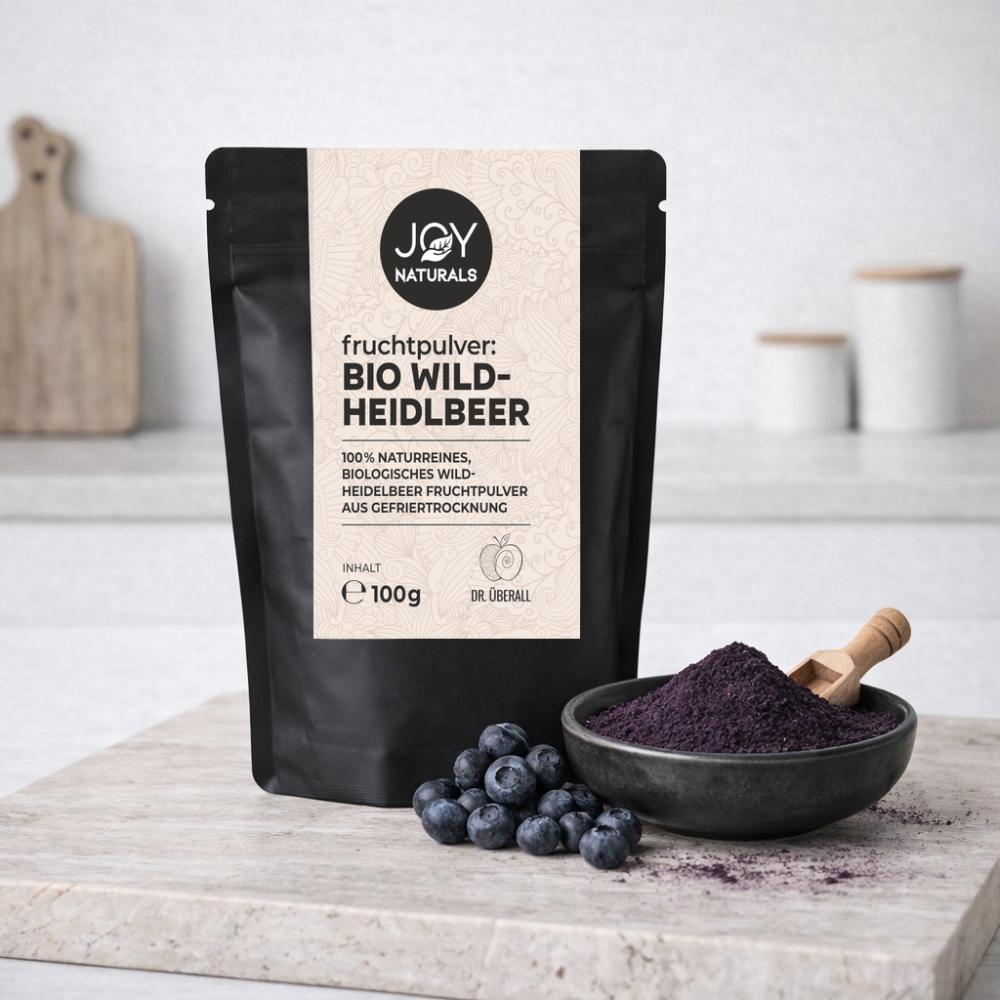
A particularly practical way to regularly incorporate wild blueberries into everyday life is freeze-dried wild blueberry powder – provided it consists of 100% pure wild blueberries and contains no additives such as sugar, flavorings, or fillers.
The major advantage lies in the gentle processing.
During freeze-drying, the berries are deep-frozen immediately after harvest. Then, water is slowly removed at very low temperatures. This preserves many sensitive ingredients much better than conventional heat drying.
This preserves:
- anthocyanins,
- antioxidants,
- vitamins
- and secondary plant compounds.
Since only water is removed from the berries, a naturally concentrated food is created. This means: a few spoonfuls of powder contain the concentrated power of many wild blueberries.
Other foods for beautiful skin
- Avocados
- Provide healthy fats and vitamin E.
- Nuts & Seeds
- Support the skin barrier and have anti-inflammatory effects.
- Carrots & Sweet Potatoes
- Beta-carotene can give the skin a healthy glow.
- Leafy Green Vegetables
- Supply the skin with minerals and chlorophyll.
- Omega-3 Fatty Acids
- Especially important for dry and sensitive skin.
My tip for everyday life
Try to eat as "colorfully" as possible. Intense natural colors in foods often mean:
- many antioxidants,
- valuable plant compounds
- and high cell protection.
Dark berries are therefore among the best natural beauty foods of all.
3. Sleep – the natural beauty treatment
While we sleep, skin regeneration is in full swing.
At night:
- skin cells regenerate,
- minor damage is repaired,
- stress levels drop,
- blood circulation improves.
In contrast, too little sleep often quickly shows itself:
- dark circles,
- dull skin,
- blemishes
- and premature skin aging can develop.
Ideal:
7–8 hours of sleep per night.
My tip:
Regular sleep times often help the skin more than expensive creams.
4. Fewer skincare products – more rest for the skin
Many people over-care for their skin. Too many serums, exfoliants, or aggressive cleansing products can weaken the natural protective barrier.
A simple routine is often completely sufficient:
- Gentle cleansing
- Moisturizing
- Sun protection
Important:
Not every trend suits every skin type. Often, the skin needs just one thing above all: rest and consistency.
5. Sun protection—but mindfully and naturally
Sunlight is important for our well-being and for the production of vitamin D. At the same time, UV radiation is one of the biggest causes of premature skin aging.
Too much sun can:
- promote wrinkles,
- cause age spots,
- dry out the skin
- and contribute to long-term damage.
Therefore:
Avoid the intense midday sun between around 11 a.m. and 3 p.m. whenever possible.
The gentle morning and evening sun in particular is much kinder to the skin, while still allowing the body to produce vitamin D naturally.
DIY tip: Natural sun care for gentle protection
If you spend time outdoors in the morning or evening, you can use a natural, nourishing sunscreen that provides light protection without completely blocking out the sun.
Important: This cream is not a substitute for a dermatologically tested sunscreen in strong sunlight or during extended periods outdoors.
Recipe for natural sun care
Ingredients
- 3 tbsp organic coconut oil
- 2 tbsp shea butter
- 1 tbsp almond oil or jojoba oil
- 1 tsp raspberry seed oil (optional)
- 1 tsp wheat germ oil
- 1 tsp carrot seed oil
- optional: 5 drops lavender oil or calendula oil
These natural ingredients nourish the skin deeply and have mild natural UV-protective properties.
Preparation
- Melt the coconut oil and shea butter in a double boiler.
- Add the remaining oils.
- Stir well.
- Pour into a small jar and leave to cool.
The cream will become pleasantly creamy and spread easily.
How to use
- Apply before walks or spending time in the morning or evening sun
- Reapply after heavy sweating
- Ideal for people who want to be more mindful in the sun
Why these oils are popular
Raspberry seed oil
Valued for its antioxidant properties, it supports the skin's natural barrier. It is also rich in vitamin E and beneficial fatty acids.
Carrot seed oil
Contains beta-carotene and has nourishing and restorative properties. It is especially popular for creating a natural summer glow.
Shea butter
Protects the skin from moisture loss, soothes sensitive skin, and leaves it soft and supple.
Coconut oil
Deeply nourishes dry skin and helps it retain moisture better. It also leaves the skin feeling pleasantly soft.
Jojoba oil
It is remarkably similar to the skin's natural sebum, which is why it is very well tolerated by many skin types. It balances and nourishes without feeling heavy.
Almond oil
Especially gentle, it is an excellent choice for sensitive or dry skin. It soothes and supports the skin's natural balance.
Cocoa butter
Nourishes the skin deeply, strengthens the skin barrier, and gives the sun care product a creamy, rich consistency.
Wheat germ oil
Rich in natural vitamin E and antioxidants. Supports skin regeneration and protects against dryness.
Lavender oil
Traditionally valued for its soothing and relaxing properties. It also gives the product a pleasantly natural fragrance.
Important note
Natural DIY sun care does not have an exactly measurable SPF like tested sunscreens.
For:
- days at the beach,
- long periods of sunbathing,
- children,
- very fair skin
- or strong summer sun
you should always use a tested sunscreen.
6. Avoid stress—the skin suffers too
Stress affects the skin more than many people think. Stress hormones promote inflammation in the body and can:
- blemishes,
- redness,
- dry skin
- or sensitive areas.
Simple stress relievers:
- walks,
- yoga,
- meditation,
- breathing exercises,
- digital breaks.
Just a few minutes of relaxation each day can make a visible difference.
7. Movement gives your skin a glow
Exercise improves circulation and supplies the skin with more oxygen.
The result:
- fresher-looking skin,
- a rosier complexion,
- better regeneration.
Especially good:
- walks,
- cycling,
- yoga,
- light endurance training.
8. Keep your hands off your face
Our hands constantly carry bacteria. Frequently touching your face can unknowingly contribute to skin blemishes.
So:
- don't squeeze pimples,
- clean your phone regularly,
- change pillowcases often,
- touch your face as little as possible.
9. Summer tips for healthy, glowing skin
For many people, May marks the start of the most beautiful time of year: more sunshine, longer days, and finally more time outdoors. But this is also when the demands on our skin change.
Increased UV exposure, sweat, heat, and dry air can quickly throw the skin off balance. That's why it's worth adjusting your skincare routine a little in summer.
Gradually acclimate your skin to the sun
After the long winter months, the skin is often particularly sensitive to UV radiation.
So remember:
Don't spend hours in the sun straight away.
Much better:
- short periods in the sun in the morning or evening,
- regular walks,
- gradually getting used to sunlight.
This allows the skin to adapt more naturally and produce vitamin D without being overwhelmed right away.
Avoid the midday sun mindfully
The sun is particularly intense between around 11 a.m. and 3 p.m.
Many people underestimate the strength of the spring and early summer sun in May because the temperatures often still feel pleasant. However, UV radiation can already be very strong.
Better:
- seek shade,
- wear light, breathable clothing,
- schedule activities for the morning or evening.
This significantly reduces the strain on the skin.
Use lighter skincare in summer
While skin often needs rich creams in winter, it generally prefers lighter textures in summer.
Good options:
- aloe vera gel,
- light moisturizing fluids,
- hyaluronic acid serums,
- small amounts of natural plant oils.
Heavy creams can clog pores more quickly in hot weather.
Eat more water-rich foods
In summer, the body loses more fluids through sweating.
That's why water-rich foods help support the skin from within.
Especially good:
- cucumbers,
- watermelon,
- strawberries,
- oranges,
- tomatoes,
- fresh herbs.
They also provide vitamins and antioxidants.
Face mists & cooling throughout the day
A fine mist of:
- rose water,
- herbal water,
- aloe vera
- or thermal water
can pleasantly soothe the skin on hot days.
My tip:
Store the facial spray in the refrigerator – especially refreshing after sun exposure or exercise.
Rinse the skin after swimming
Chlor or salt water can dry out the skin.
Therefore, after bathing, try to:
- rinse briefly,
- pat dry gently,
- and then apply moisturizer.
This helps keep the skin barrier stable.
Antioxidants are especially important in summer
In summer, UV radiation generates more free radicals. Therefore, the skin benefits particularly from an antioxidant-rich diet.
Foods particularly rich in antioxidants include:
- wild blueberries,
- raspberries,
- blackberries,
- green tea,
- tomatoes,
- and dark leafy greens.
The anthocyanins in dark berries, in particular, act like a natural cellular shield from within.
Don't forget your lips
The lips have very few protective mechanisms of their own and are particularly sensitive to the sun and dry air.
Therefore:
- care for them regularly,
- drink enough,
- and use lip balm with UV protection when spending extended periods in the sun.
A summer glow doesn't come from sunburn
Many people associate tanned skin with health. But a sunburn is always a sign that the skin has already been damaged.
A healthy summer glow is much better achieved through:
- good circulation,
- exercise,
- sufficient sleep,
- a healthy diet
- and gentle sun exposure.
This makes the skin look fresher and healthier in the long term – without being overwhelmed.
Tip: Why microorganisms can support the skin
Our skin has its own sensitive microbiome – that is, billions of natural microorganisms that act like an invisible protective shield. When this balance is disrupted, the skin can become more sensitive, dry, or prone to blemishes.
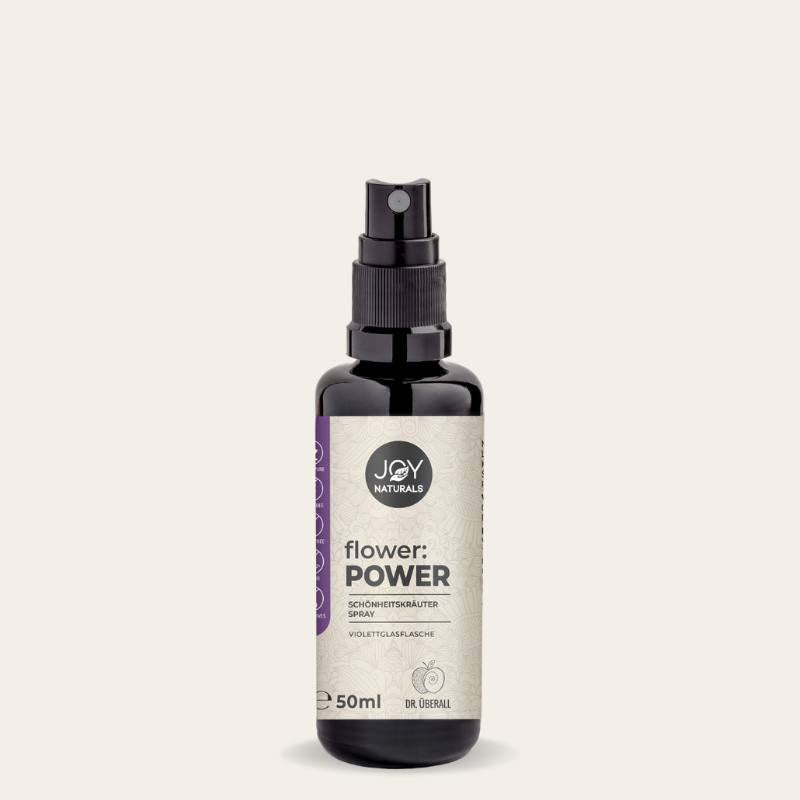
Certain microorganisms such as Lactobacillus Rhamnosus and Lactobacillus Plantarum, which are contained in the flower:POWER Spray, are particularly valued for their skin-friendly properties. They can help support the skin's natural environment and strengthen the skin barrier. At the same time, they help make the skin more resistant to external stressors such as stress, dry air, or environmental factors.
Combined with valuable herbs such as lavender, nettle, pansy, or dandelion, this creates a natural care formula that can support the skin from the inside out.
What makes flower:POWER special:
The spray can be used both internally and externally. As a fine facial spray, it has a pleasantly cooling and refreshing effect – especially on warm summer days or for dry, stressed skin. At the same time, the microorganisms and herbs it contains provide valuable support for the skin's natural environment and overall well-being.
It is especially pleasant in summer: if the bottle is stored in the refrigerator, the spray will provide a wonderfully fresh cooling effect on the skin at all times.
10. Naturalness instead of perfection
Perfect skin does not exist. Pores, minor redness, or blemishes are part of being human.
Social media often shows unrealistic filtered images – real skin looks different.
If you want beautiful skin in the long term, you should:
- be patient,
- stay consistent
- and treat your skin with care.
Beautiful skin is the result of good habits
Healthy skin is no coincidence. It is the result of many small decisions in everyday life:
- drinking enough,
- eating a balanced diet,
- getting enough sleep,
- reducing stress,
- being mindful of sun exposure,
- and gentle care.
Our skin often does not need complicated products – just more attention, rest, and natural support.
Because true beauty begins where we start taking good care of ourselves.